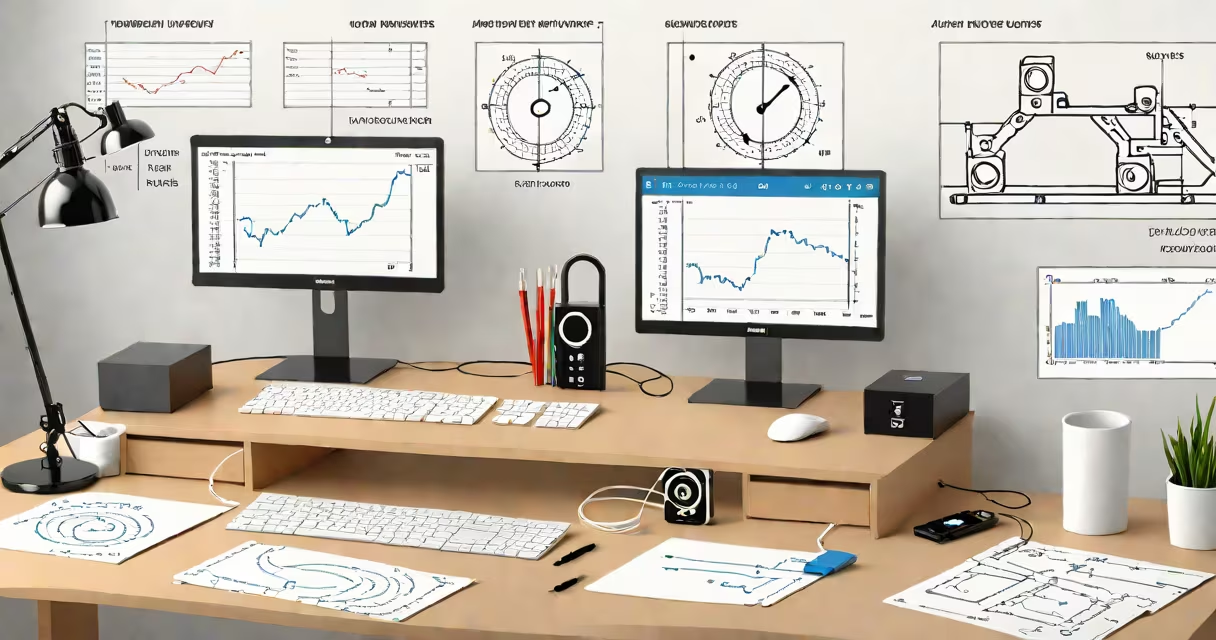
You can measure the air quality index (AQI) at home using a portable air quality monitor that detects pollutants like PM2.5, ozone, carbon dioxide, and volatile organic compounds. These devices provide real-time AQI values based on local pollution levels and help track indoor air health.
AQI measures air pollution on a scale from 0 to 500, with higher numbers indicating greater health risks. The U.S. Environmental Protection Agency (EPA) sets standards for safe levels, and indoor environments often differ from outdoor readings due to cooking, cleaning products, and ventilation patterns.
Home monitoring systems typically use laser particle counters to detect fine particulate matter (PM2.5), which is a key component of AQI. Some models also integrate temperature, humidity, and VOC sensors. A reading of 50 or below indicates good air quality; above 150 signals unhealthy conditions requiring action.
Most consumer-grade AQI monitors use a laser scattering method to count airborne particles. When air passes through a chamber, a laser beam illuminates particles, and a photodiode measures scattered light. The frequency and intensity of scatter correlate to particle concentration and size.
For example, the AirVisual Pro uses a calibrated laser particle sensor to report PM2.5 levels every 30 seconds. It then converts this data into an AQI score using EPA guidelines. The device syncs with a mobile app that shows historical trends and alerts when pollution spikes.
These sensors don't measure all pollutants equally. While they reliably detect PM2.5, their accuracy for ozone or nitrogen dioxide varies. A 2022 study by the American Council for an Energy-Efficient Economy (ACEEE) found that low-cost monitors overestimated ozone levels by up to 30% compared to reference-grade equipment.
Devices fall into three categories based on cost, accuracy, and features:
| Device Type | Price Range | Key Sensors | Best For |
|---|---|---|---|
| Basic Monitor | $20-$50 | PM2.5 only | General awareness, budget users |
| Mid-Range Monitor | $60-$120 | PM2.5, CO₂, humidity, VOCs | Home comfort, allergy management |
| High-End Monitor | $150+ | PM2.5, ozone, NO₂, CO₂, VOCs | Health-sensitive households, asthma patients |
Basic models like the Awair Element focus solely on PM2.5 and CO₂. They lack VOC detection, which limits their ability to identify off-gassing from paints or cleaning agents. Mid-range units such as the Foobot include a metal oxide sensor for VOCs and offer cloud-based analytics.
High-end monitors like the Airthings Wave Plus include a radon sensor-critical for homes in areas with high natural uranium levels. Radon is a leading cause of lung cancer after smoking, and long-term exposure goes undetected without specialized testing.
Indoor air can be 2 to 5 times more polluted than outdoor air, according to the EPA. Sources include dust mites, pet dander, mold spores, cooking fumes, and off-gassing from furniture and flooring.
Measuring AQI at home is essential for people with respiratory conditions. A 2021 study published in *Environmental Health Perspectives* showed that children with asthma experienced 30% fewer nighttime symptoms when indoor PM2.5 levels stayed below 12 µg/m³.
For example, during winter months, using a gas stove without proper venting can raise indoor CO₂ levels above 1,000 ppm-well above the recommended 800 ppm. An AQI monitor can trigger an alert, prompting users to turn on exhaust fans or open windows.
Many users assume that a single reading reflects air quality. This is incorrect. AQI fluctuates throughout the day. A monitor placed near a window may show lower PM2.5 levels than one in a central hallway, even if both are in the same room.
Another error is relying on smartphone apps that estimate AQI based on location data. These apps often use outdated or regional averages. For accurate results, you need a physical sensor. The EPA notes that remote estimates can deviate by up to 40 points from actual measurements.
Some consumers confuse AQI with "air freshness." A device showing a green AQI doesn't mean the air smells pleasant. High ozone levels, which are invisible and odorless at low concentrations, can still damage lungs. A monitor that detects ozone is necessary for complete assessment.
I installed a PurpleAir PA-II sensor in my kitchen during a home renovation. The device recorded PM2.5 levels rising from 15 to 180 within two hours of sanding drywall. The AQI jumped from 30 (good) to 200 (very unhealthy).
Based on the data, I turned on a HEPA filter and closed the kitchen door. After 45 minutes, PM2.5 dropped to 40 and AQI fell to 70 (moderate). I repeated this process daily until work ended. Without the monitor, I wouldn't have known the air was dangerously polluted.
This experience confirmed that real-time feedback drives behavior change. The monitor didn't just report data-it prompted immediate corrective actions.
Place your monitor at breathing height-about 3 to 5 feet above the floor. Avoid placing it near vents, windows, or behind curtains, which can distort airflow and skew readings.
Calibrate your device monthly. Most models allow manual calibration using a clean-air reference. Follow manufacturer instructions precisely. Skipping calibration can lead to false alarms or missed warnings.
Use multiple sensors in different rooms. A bedroom monitor may show higher PM2.5 levels at night due to dust redistribution from bedding. Comparing zones reveals patterns and helps isolate sources.
Understanding how to measure aqi at home empowers you to act. Real-time data lets you adjust ventilation, filter air, or avoid activities that worsen indoor pollution. The goal isn't perfection-it's informed control.