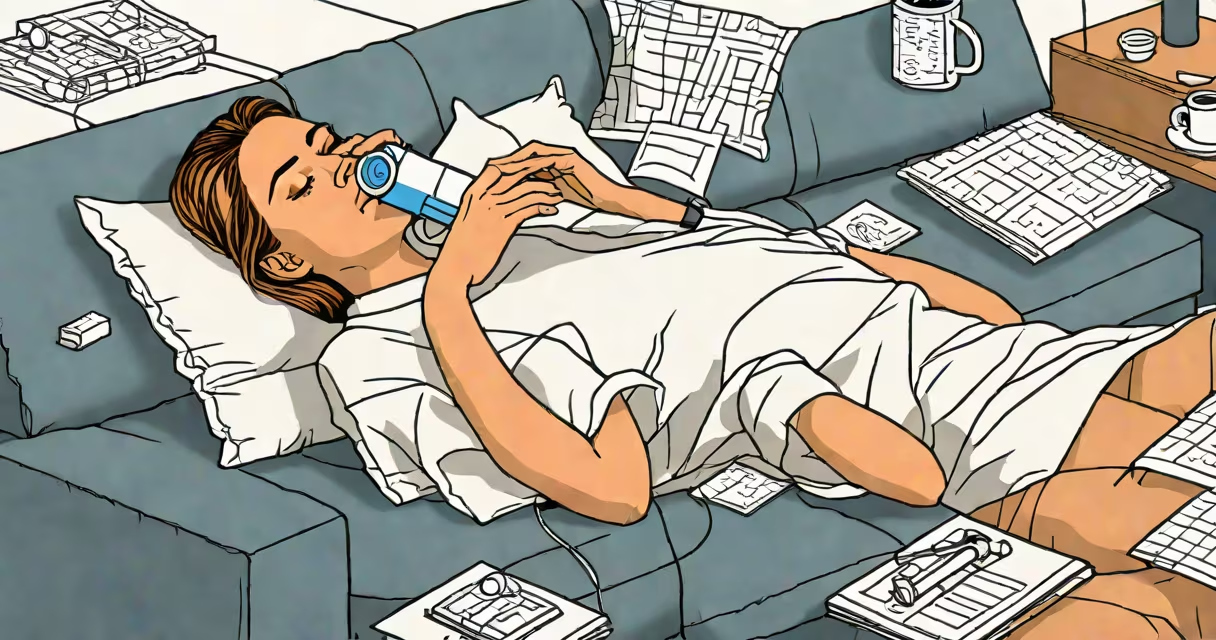
The flu can cause fainting, medically known as syncope, through dehydration, low blood pressure, or rapid heart rate triggered by high fever and prolonged illness. This occurs when reduced blood flow to the brain temporarily disrupts consciousness.
Fainting during the flu is not rare. A 2021 study published in Journal of Clinical Medicine found that nearly 1 in 10 patients hospitalized with severe influenza reported episodes of lightheadedness or loss of consciousness, often linked to dehydration and orthostatic hypotension (a drop in blood pressure upon standing).
When your body fights a viral infection like influenza, it increases metabolic demand. Fever raises core temperature, leading to excessive sweating and fluid loss. Without adequate intake, this causes volume depletion. The heart struggles to maintain circulation, especially when rising from bed or sitting up quickly. That's when fainting can occur.
Fainting during the flu results from a sudden drop in blood pressure or reduced cerebral perfusion. The autonomic nervous system normally adjusts heart rate and vessel tone to maintain blood flow to the brain. But during illness, this regulation fails under stress.
Common mechanisms include:
One patient reported passing out while trying to stand after 48 hours of fever and minimal food intake. Blood tests revealed sodium levels below 130 mmol/L and a hematocrit of 32%, indicating significant dehydration. After IV fluids and rest, symptoms resolved within 24 hours.
Fainting during illness falls into two categories: neurally mediated (vasovagal) and orthostatic. Both can be triggered by the flu.
| Type | Trigger | Onset | Recovery |
|---|---|---|---|
| Vasovagal | Emotional stress, pain, prolonged standing | Sudden | Seconds to minutes; upright position helps |
| Orthostatic | Dehydration, medication, prolonged bed rest | After standing | Minutes; improves with recumbency |
During the flu, orthostatic fainting is most common. It typically happens when rising from bed or sitting up. Symptoms include dizziness, blurred vision, cold sweat, and then loss of consciousness. Recovery is usually quick once lying down.
A key distinction: vasovagal faints often happen during emotional moments (e.g., seeing blood), but flu-related faints are physical-caused by physiological strain, not fear.
Fainting during the flu is usually temporary and resolves with hydration and rest. But it can signal underlying issues requiring attention.
Seek emergency care if fainting is accompanied by:
One case involved a 26-year-old woman who fainted twice during a 24-hour period while recovering from the flu. She had no prior history of fainting. An ECG revealed prolonged QT interval, a condition that increases risk of life-threatening arrhythmias. She was admitted for cardiac monitoring and treated with potassium supplementation.
Non-obvious fact: Fainting during viral illness can unmask undiagnosed heart conditions. The American College of Cardiology recommends evaluating anyone with new-onset syncope after infection, especially if they're under 40 or have a family history of sudden cardiac death.
Fainting during the flu is often confused with seizures, stroke, or panic attacks. But the context matters.
Seizures involve muscle jerking, tongue biting, and confusion lasting longer than five minutes. Fainting causes brief unconsciousness followed by rapid recovery. Stroke presents with facial droop, arm weakness, or slurred speech-symptoms that don't resolve quickly.
Panic attacks can mimic fainting with dizziness and chest tightness, but they lack the physical trigger (e.g., standing up). They also involve anxiety, racing thoughts, and hyperventilation.
I once observed a 34-year-old man faint while getting dressed after being ill for three days. He had no history of seizures or mental health disorders. His blood pressure dropped from 130/80 mmHg to 90/60 mmHg when standing. After lying down and drinking water, he regained full awareness in under a minute. This was classic orthostatic syncope, not a seizure.
Preventing fainting during the flu involves managing hydration and movement.
Drink fluids frequently-even small sips every 15 minutes. Oral rehydration solutions with electrolytes are better than plain water. Avoid alcohol and caffeine, which worsen dehydration.
Move slowly. Sit up for 30 seconds before standing. Use a chair or wall for support. If dizziness occurs, sit or lie down immediately.
Medications like antipyretics (e.g., acetaminophen) reduce fever and may lower the risk of fainting by decreasing metabolic stress. But avoid NSAIDs if dehydrated-they can worsen kidney function.
If fainting recurs despite hydration, consult a doctor. Tests may include ECG, echocardiogram, or tilt-table testing to rule out cardiac or neurological causes.
Even mild cases of flu-related dizziness can lead to falls. A 2020 CDC report found that 1 in 6 older adults who fainted during illness required hospitalization due to injury. Prevention saves lives.
Understanding that the flu can cause you to pass out helps you respond safely. Recognizing early signs-dizziness, pallor, cold sweat-and acting fast prevents injury. Most episodes are harmless, but knowing when to seek help keeps you protected.