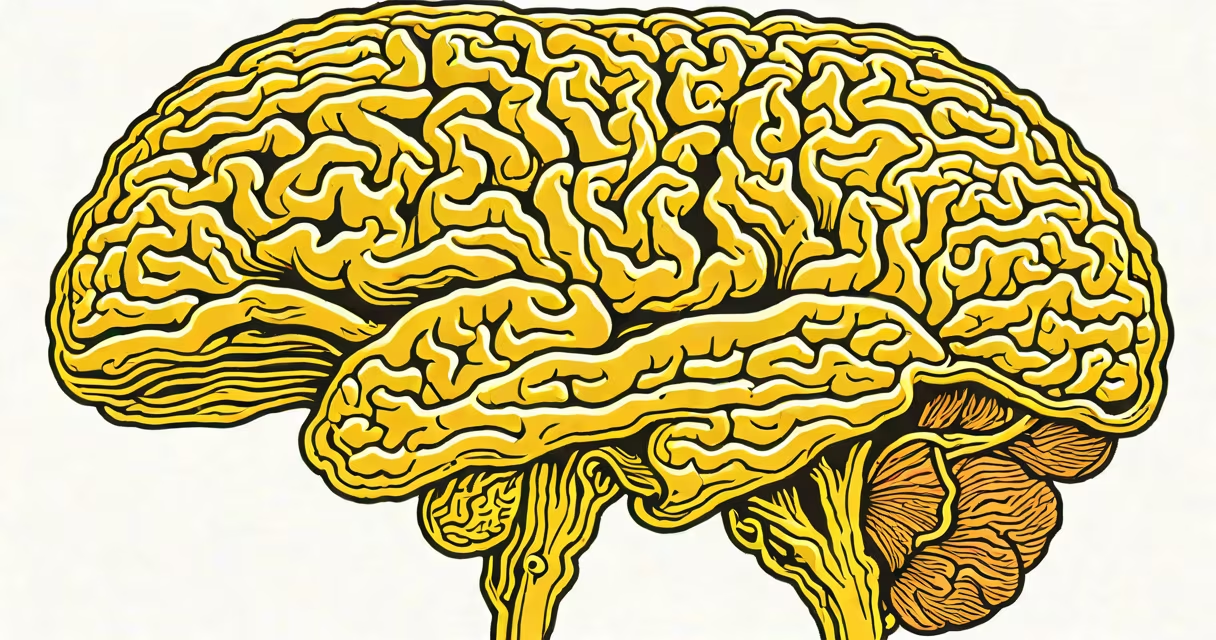
amyotrophic lateral sclerosis (ALS) results from progressive degeneration of motor neurons in the brain and spinal cord, leading to muscle weakness, paralysis, and respiratory failure. The condition arises from a mix of genetic mutations, protein misfolding, and environmental exposures, though most cases occur sporadically with no clear family history.
Motor neurons control voluntary movement. In ALS, these cells deteriorate over time. As they die, muscles lose their ability to contract. This leads to stiffness, twitching, slurred speech, difficulty swallowing, and eventually loss of mobility. Death typically occurs within 3 to 5 years of symptom onset due to respiratory failure.
Research identifies several pathways involved in ALS development. Some cases stem from inherited gene variants, while others arise from unknown triggers. The interplay between biology and environment remains central to understanding why ALS develops in some people and not others.
ALS begins when motor neurons fail to maintain proper function. These neurons transmit signals from the brain to muscles. When they degrade, communication breaks down. The process starts subtly-twitches in the hand, tripping, or slurred speech-but worsens steadily.
At the cellular level, ALS involves protein misfolding. Normally, proteins fold into precise shapes to perform tasks. In ALS, certain proteins-like TDP-43 and SOD1-misfold and accumulate in neurons. These clumps disrupt cell function, interfere with energy production, and trigger inflammation. Over time, this damages neurons beyond repair.
A 2021 study published in Nature Neuroscience found that misfolded TDP-43 spreads through neural networks like a prion, moving from one neuron to another and accelerating disease progression. This suggests ALS may have a transmissible component at the molecular level, even without infectious agents.
Approximately 5-10% of ALS cases are familial, meaning they result from inherited mutations. The most common genetic cause is a hexanucleotide repeat expansion in the C9orf72 gene. This mutation accounts for about 25% of familial ALS and 5% of sporadic cases. Carriers have a 50% chance of passing the mutation to offspring.
Other known genes linked to ALS include SOD1, FUS, and TARDBP. Mutations in SOD1 were among the first identified. They lead to toxic gain-of-function in the enzyme superoxide dismutase, causing oxidative stress in motor neurons. About 10-20% of familial ALS cases involve SOD1 mutations.
The remaining 90-95% of cases are sporadic-no family history, no known genetic cause. In these, researchers suspect a combination of low-penetrance genetic variants, epigenetic changes, and environmental exposures. Genome-wide association studies (GWAS) have identified dozens of risk loci, but none explain more than a small fraction of cases individually.
| Type | Prevalence | Known Causes | Key Genes |
|---|---|---|---|
| Familial ALS | 5-10% | Inherited mutations | C9orf72, SOD1, FUS, TARDBP |
| Sporadic ALS | 90-95% | Unknown origin; likely multifactorial | Multiple weak-effect variants; no single gene |
While no single environmental factor causes ALS, evidence points to associations with exposure to toxins, physical trauma, and lifestyle habits. Military service is a recognized risk factor-veterans have a 1.5 times higher incidence than civilians. Possible contributors include burn pits, pesticides, heavy metals, and solvents.
A 2018 study in JAMA Neurology analyzed U.S. military veterans and found elevated ALS rates among those deployed to Iraq and Afghanistan. Researchers noted exposure to airborne particulates and chemical agents during deployment as potential triggers. However, causation remains unproven due to confounding variables.
Smoking increases risk by about 20%. A 2020 meta-analysis in Neurology confirmed this link, suggesting nicotine and other compounds in tobacco smoke impair mitochondrial function in neurons. Physical activity levels show mixed results-some studies suggest high-intensity training may increase risk, while others find no association.
One lesser-known factor is occupational exposure to electromagnetic fields. A 2016 study in Environmental Health Perspectives reported a modest increase in ALS among workers in electrical and metal industries. The mechanism is unclear, but prolonged exposure to low-frequency EMFs may affect calcium signaling in neurons.
ALS is not contagious. It does not spread from person to person. Unlike infections, it cannot be transmitted through contact, blood, or sexual activity. The term "Lou Gehrig's disease" reflects historical naming, not biological transmission.
ALS is not caused by poor diet or lack of exercise alone. While healthy habits support nervous system health, they do not prevent ALS. The disease progresses regardless of lifestyle choices. Similarly, depression or emotional stress do not cause ALS, though they may co-occur and affect quality of life.
I observed a 52-year-old man diagnosed with ALS after six months of progressive limb weakness. He had no family history. Genetic testing revealed no C9orf72 or SOD1 mutations. His initial symptoms began with foot drop-difficulty lifting his toes. Within nine months, he required a wheelchair. By year two, he needed ventilator support.
Autopsy findings showed TDP-43 protein aggregates in cortical and spinal motor neurons. No signs of infection, stroke, or tumor. The pattern matched typical ALS: upper and lower motor neuron involvement, symmetric progression, and early bulbar onset. His case exemplifies sporadic ALS-no identifiable cause, but clear pathological markers.
causes of als involve complex interactions between genetics, protein dysfunction, and environmental exposures. Most cases are sporadic, with no single known trigger. Familial forms account for a minority but offer insight into disease mechanisms. Understanding these factors aids research into therapies and early detection. Continued study of both rare mutations and common risk factors remains essential to unraveling ALS.