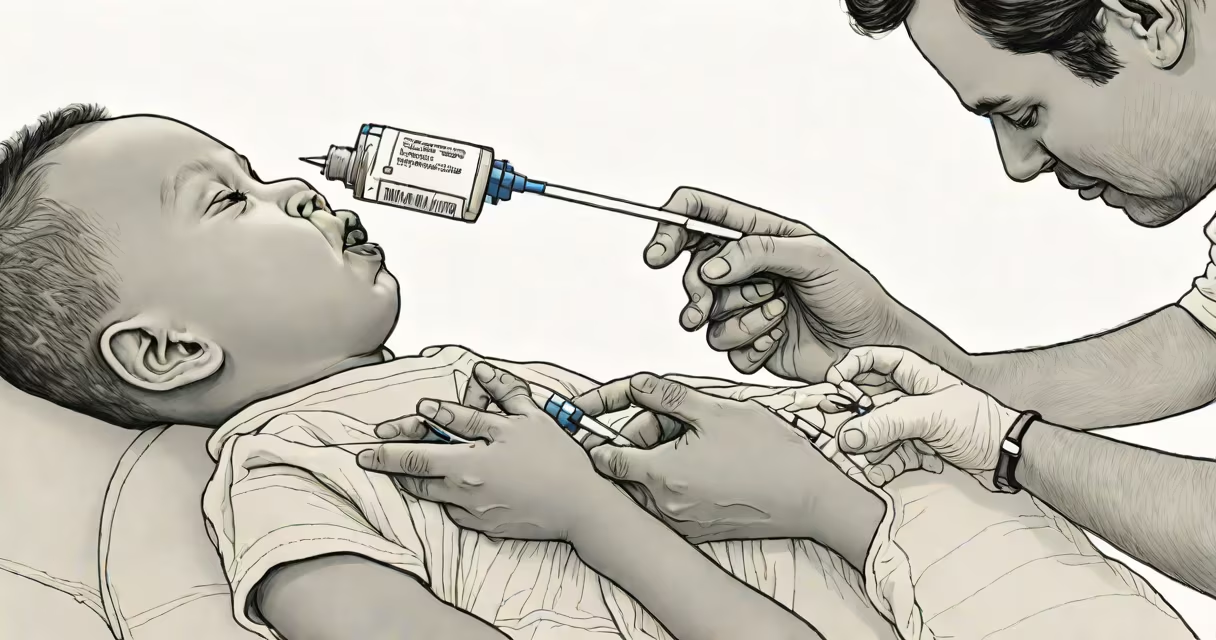
The CDC hepatitis B vaccine is a series of three injections administered to prevent infection with the hepatitis B virus (HBV), a serious liver disease that can lead to cirrhosis, liver failure, or liver cancer. The Centers for Disease Control and Prevention recommends the vaccine for all infants, children, and adolescents, with the first dose given within 24 hours of birth.
Hepatitis B virus spreads through blood and bodily fluids. Without vaccination, transmission can occur during childbirth, sexual contact, or sharing needles. The CDC hepatitis B vaccine contains a recombinant surface antigen derived from yeast cells, not live virus, making it safe for newborns and immunocompromised individuals.
Each dose builds immunity by training the immune system to recognize and destroy HBV. Protection lasts for decades, possibly lifelong. The vaccine is part of routine childhood immunization and is required for school entry in most U.S. states.
The vaccine triggers the body's adaptive immune response. After the first dose, the immune system begins producing antibodies against the hepatitis B surface antigen (HBsAg). A second dose boosts antibody levels, and the third dose ensures long-term memory cell formation.
Antibody titers above 10 mIU/mL indicate protective immunity. Studies show over 95% of vaccinated infants develop this level after completing the series. The immune memory persists even if antibody levels decline over time.
Because HBV can be transmitted from mother to child during delivery, the first dose is given within 24 hours of birth. This timing prevents vertical transmission in high-risk cases. Infants born to mothers with chronic HBV infection receive both the vaccine and hepatitis B immune globulin (HBIG) at birth for maximum protection.
Three FDA-approved brands are used in the U.S.: Recombivax HB, Engerix-B, and Heplisav-B. All contain the same antigen but differ in dosing intervals and formulation.
| Vaccine Name | Dose Schedule | Age Range | Special Notes |
|---|---|---|---|
| Recombivax HB | 0, 1, 6 months | Birth+ | Standard pediatric schedule |
| Engerix-B | 0, 1, 6 months | Birth+ | Same schedule; slightly higher antigen concentration |
| Heplisav-B | 0, 1, 2 months | 18+ years | Adjuvanted with CpG 1018; faster seroconversion in adults |
For infants, the standard schedule is birth, 1-2 months, and 6-18 months. Delaying the second dose beyond 2 months reduces early protection. The third dose must be given at least 16 weeks after the first and 8 weeks after the second.
A common misconception is that the vaccine requires a booster after adolescence. The CDC states no booster is needed for those who completed the full series. Immunity remains effective for at least 30 years, likely lifelong.
The CDC hepatitis B vaccine is mandated in all 50 U.S. states for school entry. It's included in the Vaccines for Children (VFC) program, which provides free vaccines to eligible low-income families.
Healthcare workers, dialysis patients, and people with HIV are at increased risk and require vaccination. The CDC recommends testing for HBsAg before vaccination in high-prevalence populations, such as immigrants from regions with high HBV rates (e.g., sub-Saharan Africa, Southeast Asia).
In 2022, the CDC reported that 91% of U.S. infants received at least one dose of the hepatitis B vaccine, and 85% completed the full series. Rates drop among uninsured children and in rural areas due to access barriers.
Some parents believe the vaccine causes autism. This claim originated from a 1998 study later retracted due to fraud and conflicts of interest. Multiple large-scale studies since then have found no link between hepatitis B vaccine and autism.
Another error is assuming the vaccine is only for sexually active adults. While adults at risk (e.g., men who have sex with men, intravenous drug users) should be vaccinated, the primary goal is protecting infants and children. Early vaccination prevents chronic infection, which occurs in 90% of infants exposed at birth versus less than 5% in adults.
I observed this in a community health clinic in rural Alabama. A mother refused the first dose because she believed her baby wouldn't be exposed. The infant later developed chronic HBV after being infected during delivery. The family was unaware of the mother's undiagnosed carrier status. The vaccine would have prevented this outcome.
The hepatitis B vaccine differs from the hepatitis A vaccine. Both protect against liver infections, but they target different viruses. Hepatitis A spreads through contaminated food or water, while hepatitis B spreads via blood and sexual contact.
While the hepatitis B vaccine is given in three doses, the hepatitis A vaccine is typically two doses, six months apart. The CDC recommends both vaccines for travelers to high-risk countries, but they are not interchangeable.
Completing the CDC hepatitis B vaccine series is one of the most effective public health measures to reduce HBV-related illness. It prevents over 1 million new infections annually in the U.S. and contributes to global elimination goals set by the World Health Organization.