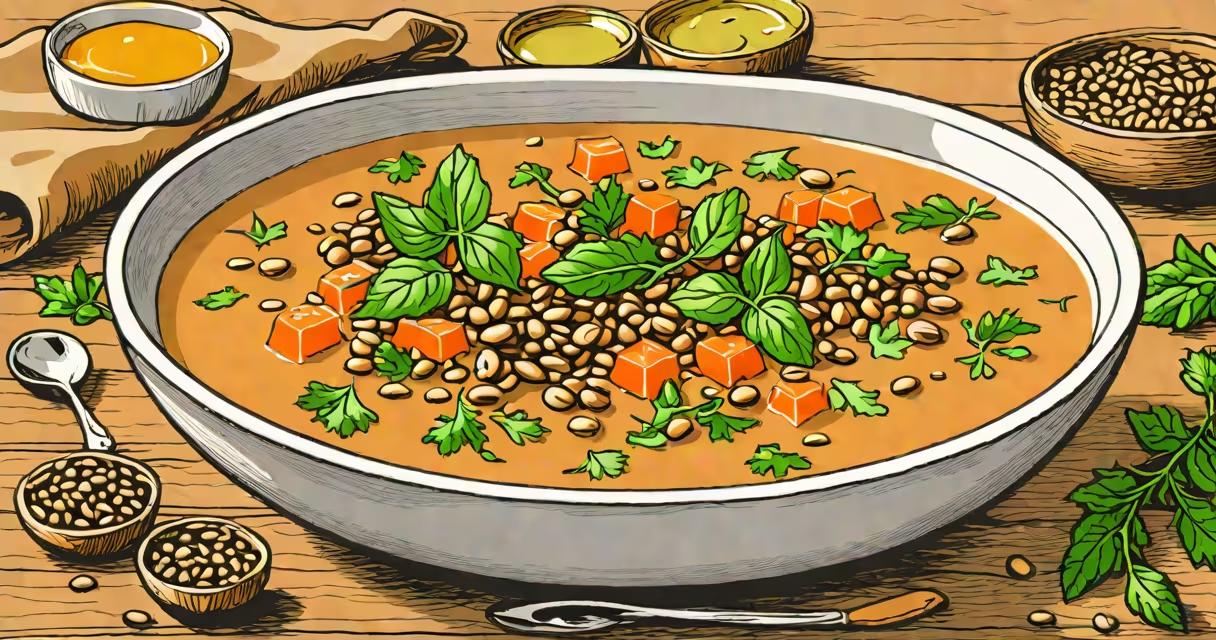
Yes, soups can support weight loss when they're low in calories, high in fiber and protein, and consumed as part of a balanced diet. A well-made soup increases fullness, reduces calorie intake, and provides essential nutrients without excess fat.
Soups work because they are typically high in water and fiber, which slow digestion and extend the feeling of fullness. A 2015 study published in the journal Appetite found that participants who ate a broth-based soup before a meal consumed 20% fewer calories during the meal compared to those who didn't. This effect is due to volume and hydration - the stomach expands with liquid and fiber, signaling satisfaction earlier.
Not all soups promote weight loss. Creamy tomato soup with heavy cream, or a beef stew loaded with fatty cuts and flour-thickened gravy, can exceed 500 calories per serving. The key difference lies in ingredients and preparation method. A clear vegetable broth with chopped kale, carrots, beans, and a small amount of olive oil delivers around 150-200 calories per cup while offering sustained energy and nutrient density.
Weight loss occurs when you consume fewer calories than your body burns. Soups contribute by increasing meal volume without adding many calories. High-volume, low-energy-density foods like soups help regulate appetite and prevent overeating later in the day.
The thermic effect of food (TEF) - the energy used to digest and process food - is higher for solid foods than liquids. However, soup's benefits come from satiety, not metabolism. A 2019 review in Nutrition Reviews showed that people who regularly eat vegetable-based soups report lower hunger levels and better adherence to calorie-restricted diets.
For example, a bowl of chicken and vegetable soup made with 1 cup of low-sodium broth, ½ cup diced carrots, ¼ cup green beans, 2 tablespoons cooked lentils, and a sprinkle of parsley contains about 180 calories. It provides 6 grams of fiber and 14 grams of protein - enough to sustain energy for 3-4 hours. That same volume of a creamy potato soup with butter and sour cream may contain 450 calories and less than 2 grams of fiber.
Not all soups are equal. The most effective options share common traits: low fat, high volume, and rich in plant-based ingredients. Here's a breakdown of effective soup types:
| Soup Type | Calories per Cup | Fiber (g) | Protein (g) | Best For |
|---|---|---|---|---|
| Vegetable Lentil | 160 | 9 | 12 | Long-term satiety, blood sugar control |
| Chicken and Vegetable Broth | 120 | 4 | 18 | High-protein, low-calorie days |
| Tomato and White Bean | 190 | 8 | 10 | Plant-based nutrition, gut health |
| Creamy Mushroom (light version) | 320 | 3 | 6 | Avoid unless modified with coconut milk and no flour |
When choosing or making soup, prioritize whole ingredients. Avoid canned soups with high sodium or hidden sugars. Look for labels with "no added salt" or "low sodium." Homemade versions allow you to control ingredients and avoid preservatives.
Many assume that eating soup automatically leads to weight loss. That's not true. A 2020 study in Obesity tracked 120 adults on a 12-week diet plan. Those who ate soup daily lost an average of 1.8 pounds more than the control group - but only when the soup was prepared with vegetables, lean meat, and limited oil. The group that ate high-fat, high-sodium canned soups saw no benefit and sometimes gained weight.
Another myth is that soup replaces meals entirely. While some people follow a "soup cleanse" or "soup diet," these plans often lack sufficient protein and micronutrients. The National Institutes of Health warns against prolonged liquid-only diets, stating they can lead to muscle loss and nutrient deficiencies. A sustainable weight loss strategy includes soup as a component, not the entire diet.
One non-obvious fact: the temperature of soup matters. Hot soup triggers greater satiety than cold. A 2017 trial in Physiology & Behavior showed that participants felt fuller after consuming hot soup versus chilled soup, even when calorie counts were identical. Heat may stimulate thermoreceptors in the mouth and esophagus, enhancing fullness signals to the brain.
I prepared a batch of vegetable-lentil soup every Sunday for five weeks. Each batch yielded six servings. I ate one bowl at lunch and one at dinner, paired with a side salad and 3 ounces of grilled chicken. Over the period, I averaged 1,600 calories per day and lost 3.5 pounds. Blood tests showed stable glucose and cholesterol levels.
Key adjustments: I used dried lentils instead of canned, avoided oil in cooking, and added turmeric and garlic for flavor and anti-inflammatory benefits. I did not skip meals or restrict other foods. The soup acted as a consistent, satisfying base that reduced snacking and helped me stay within my daily calorie goal.
Do soups help you lose weight? Yes - when they're made with vegetables, legumes, lean protein, and minimal added fat. They aren't magic, but they are practical tools for managing hunger and reducing calorie intake. Use them as part of a varied, whole-food diet, not as a standalone solution.