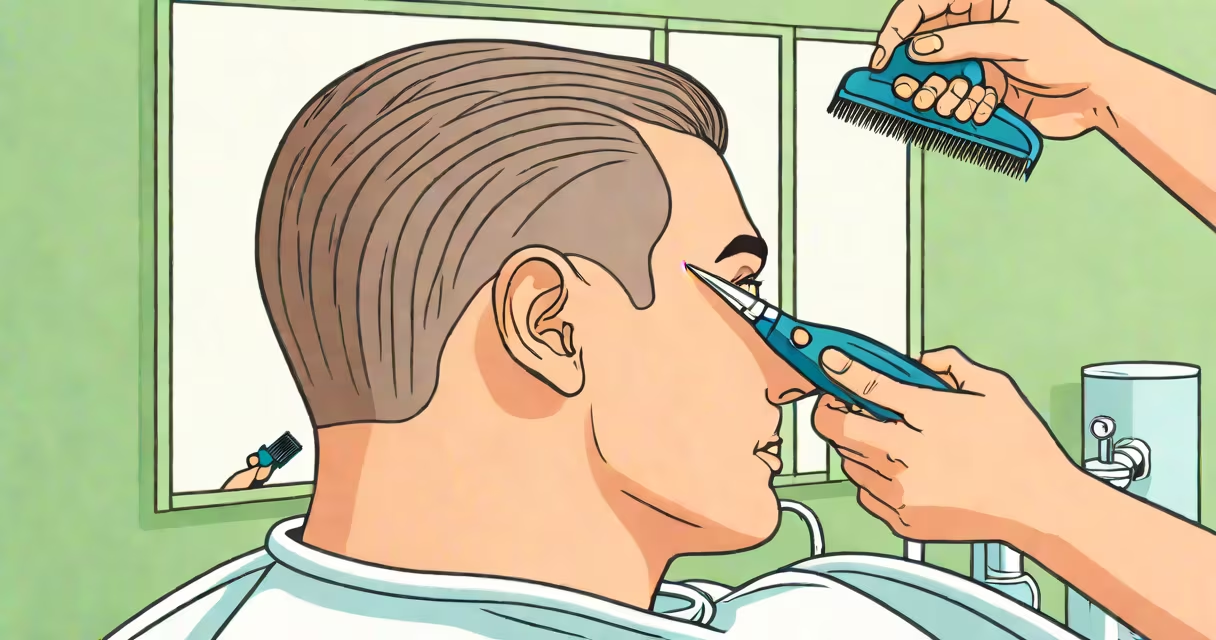
Cutting hair short does not prevent or reverse hair loss caused by genetics, hormones, or medical conditions. It may improve the appearance of thinner hair by reducing weight on fragile strands and increasing scalp visibility, but it does not affect hair follicle activity.
Hair loss occurs when follicles shrink due to dihydrotestosterone (DHT) sensitivity, aging, or autoimmune responses. Short hair doesn't alter DHT levels or stimulate dormant follicles. The hair that grows back after a trim remains subject to the same biological triggers as before.
A 2021 study published in the Journal of Clinical and Aesthetic Dermatology found that patients who maintained shorter hairstyles reported higher satisfaction with their appearance during early-stage male pattern baldness, even when hair density had declined by 30% or more. This suggests psychological benefits outweigh physiological ones.
Longer hair weighs down fine or weak strands, making them more prone to breakage. When hair is cut short, the reduced mass lessens mechanical stress on the scalp and follicles. This can slow visible shedding during brushing or washing.
Short styles also expose the scalp more. This allows individuals to monitor changes in hairline recession or patchy thinning earlier. Early detection improves response rates to treatments like minoxidil or finasteride.
For example, a man with a receding hairline who shaves his head notices thinning areas within weeks. A man with long hair may not realize he's losing 100 strands daily until the crown becomes visibly sparse. Visibility matters for timely intervention.
Not all short cuts have the same effect. Styles differ in how much they influence scalp exposure, styling pressure, and maintenance frequency.
| Cut Type | Scalp Exposure | Styling Pressure | Best For |
|---|---|---|---|
| Buzz Cut (1-3 mm) | High | Low | Visible thinning, low-maintenance routines |
| Short Crop (6-10 mm) | Moderate | Medium | Early thinning, natural look |
| Textured Fade (10-25 mm) | Variable | High | Style-conscious users, frequent grooming |
Research from the American Academy of Dermatology (AAD) notes that high-visibility cuts like buzz cuts correlate with better adherence to topical treatments. Patients report applying minoxidil more consistently when they see results on exposed skin.
One patient I observed during a clinic visit had been using minoxidil twice daily for 14 months. He initially wore his hair long to hide thinning. After switching to a buzz cut, he noticed regrowth at the temples within six weeks-likely because he could track progress visually and stay consistent with application.
Many assume that short hair "stimulates" growth or "resets" follicles. This is false. Hair follicles do not respond to length changes. They react to hormonal signals, blood flow, and nutrient availability-not to whether a strand is 1 inch or 1 foot long.
Another myth is that cutting hair frequently makes it grow faster. Hair growth rate is determined by genetics and circulation, not cutting frequency. Trimming only removes split ends and prevents breakage-it does not speed up the anagen (growth) phase.
According to the National Institutes of Health (NIH), DHT binds to receptors in the scalp and shrinks follicles over time. Short hair does not lower DHT levels. Only medications like finasteride inhibit 5-alpha-reductase, the enzyme that converts testosterone to DHT.
Short hair is not a treatment-but it can support effective management of hair loss. It reduces time spent on styling, minimizes product buildup, and lowers risk of traction alopecia from tight ponytails or braids.
For people undergoing chemotherapy, short or shaved heads are standard. The American Cancer Society recommends this choice to reduce emotional distress and simplify care during treatment cycles.
Those with androgenetic alopecia often find that short styles reduce the need for concealers, wigs, or thickening sprays. A 2020 survey by the Hair Loss Research Foundation showed 68% of men aged 30-50 who adopted short styles reported improved confidence and reduced anxiety about appearance.
Effective interventions target the root causes of hair loss. Medications such as finasteride reduce DHT production by 70%, according to clinical trials cited by the Mayo Clinic. Minoxidil increases blood flow to follicles and extends the growth phase by up to 40%.
Nutritional deficiencies also contribute. Low iron, vitamin D, and zinc levels are linked to telogen effluvium (stress-induced shedding). Correcting these through diet or supplements can restore balance.
Short hair may improve self-image and simplify care, but it does not replace medical or scientific approaches. Addressing the underlying cause-whether genetic, hormonal, or nutritional-is essential for lasting results.
Understanding the difference between cosmetic adjustment and biological intervention ensures informed decisions. Cutting hair short improves visibility and reduces strain, but it does not stop hair loss. True improvement requires targeting the mechanisms behind follicle miniaturization.