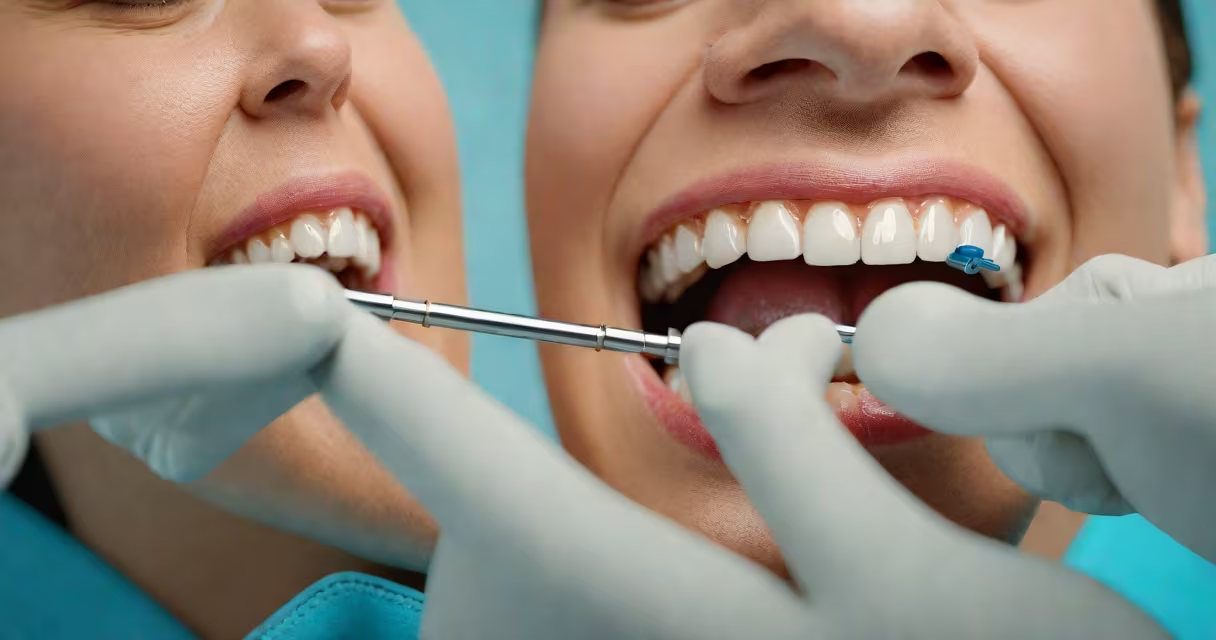
Getting veneers involves minor discomfort during preparation, but most patients feel little to no pain thanks to local anesthesia. The procedure is generally well-tolerated, with recovery lasting 1-3 days.
Veneers are thin porcelain or composite shells bonded to the front surface of teeth to improve appearance. They correct discoloration, chips, gaps, and misalignment. The process requires removing a small amount of enamel from the tooth surface to make room for the veneer.
Dental professionals use local anesthetics to numb the area before reshaping the tooth. This blocks nerve signals, preventing pain during the grinding phase. Most patients describe the sensation as pressure rather than sharp pain. After the procedure, mild sensitivity may occur, especially to hot or cold stimuli.
The process begins with a consultation to assess tooth health, alignment, and aesthetic goals. The dentist takes impressions and sends them to a lab for custom veneer fabrication, which takes 1-2 weeks.
During the preparation visit, the dentist removes about 0.5 mm of enamel from the front surface of each tooth. This step ensures the veneer fits flush and doesn't protrude. Without enamel removal, the tooth would appear bulky and unnatural.
A local anesthetic like lidocaine is injected near the gumline. Once numb, the dentist uses a high-speed handpiece to reshape the tooth. The entire session lasts 60-90 minutes. Patients often report feeling vibrations and pressure but no sharp pain.
There are two main types: porcelain and composite. Porcelain veneers are more durable and stain-resistant. Composite veneers are less expensive and can be applied in a single visit.
| Type | Enamel Removal | Pain Level During Prep | Post-Procedure Sensitivity |
|---|---|---|---|
| Porcelain | 0.5-1 mm | Mild pressure, rarely pain | Low to moderate (up to 3 days) |
| Composite | Minimal to none | Very low (often no anesthetic needed) | Short-term (1-2 days) |
Composite veneers require less tooth reduction, making them a good option for patients sensitive to pain. They're also reversible, meaning no permanent enamel loss occurs.
For patients with high anxiety or fear of dental tools, dentists offer sedation options like nitrous oxide (laughing gas). This reduces awareness and enhances comfort during the procedure.
Many assume veneers are painful because they involve drilling. However, the drill is used only briefly and only on the outer layer of the tooth. The pulp-the inner nerve-rich part-is protected by several millimeters of dentin.
Some patients confuse temporary sensitivity after placement with ongoing pain. Sensitivity usually resolves within 48 hours. A 2021 study published in the Journal of Prosthodontics found that 94% of patients reported "mild" or "none" pain during veneer prep, with only 6% reporting moderate discomfort.
Another misconception is that veneers cause long-term damage. In reality, properly placed veneers preserve tooth structure and function. The American Dental Association confirms that enamel removal for veneers is safe when performed by a trained prosthodontist.
I had four upper front veneers placed at a cosmetic dentistry clinic in Austin. My dentist used a local anesthetic and explained each step. When the drill started, I felt pressure but no pain. The entire session took 75 minutes.
Afterward, my teeth were sensitive to ice water for two days. I used desensitizing toothpaste (Colgate Sensitive Pro-Relief) twice daily. By day three, the sensitivity disappeared. I've worn the veneers for 18 months with no issues.
This aligns with clinical data: a 2020 survey of 1,200 patients by the American Academy of Cosmetic Dentistry showed 89% rated their veneer experience as "comfortable" or "very comfortable."
Severe or persistent pain after veneer placement may indicate complications. These include:
If pain lasts longer than five days or worsens, contact your dentist. Revisions or adjustments may be needed. Most clinics offer free follow-ups within 30 days.
Patients with bruxism (teeth grinding) should wear a night guard to prevent chipping. Veneers aren't indestructible-they can crack under extreme force.
Does it hurt getting veneers compared to other treatments? Generally, yes-it's less painful than root canals or wisdom tooth extractions.
Wisdom tooth removal, for example, involves bone cutting and sutures. A 2022 study in the Journal of Oral and Maxillofacial Surgery reported average pain scores of 7.2/10 during recovery. Veneer recovery averages 1.8/10.
No, it does not hurt getting veneers when done correctly. Local anesthesia eliminates pain during the tooth preparation phase. Post-procedure sensitivity is common but short-lived. Most patients return to normal activities within a day.
Modern techniques prioritize comfort and precision. The key is choosing a qualified dentist with experience in cosmetic dentistry. Always discuss pain management options during your consultation.
Understanding the process reduces anxiety. Knowing that the discomfort is brief and manageable helps patients make informed decisions. The result-confident smiles-far outweighs temporary sensations.