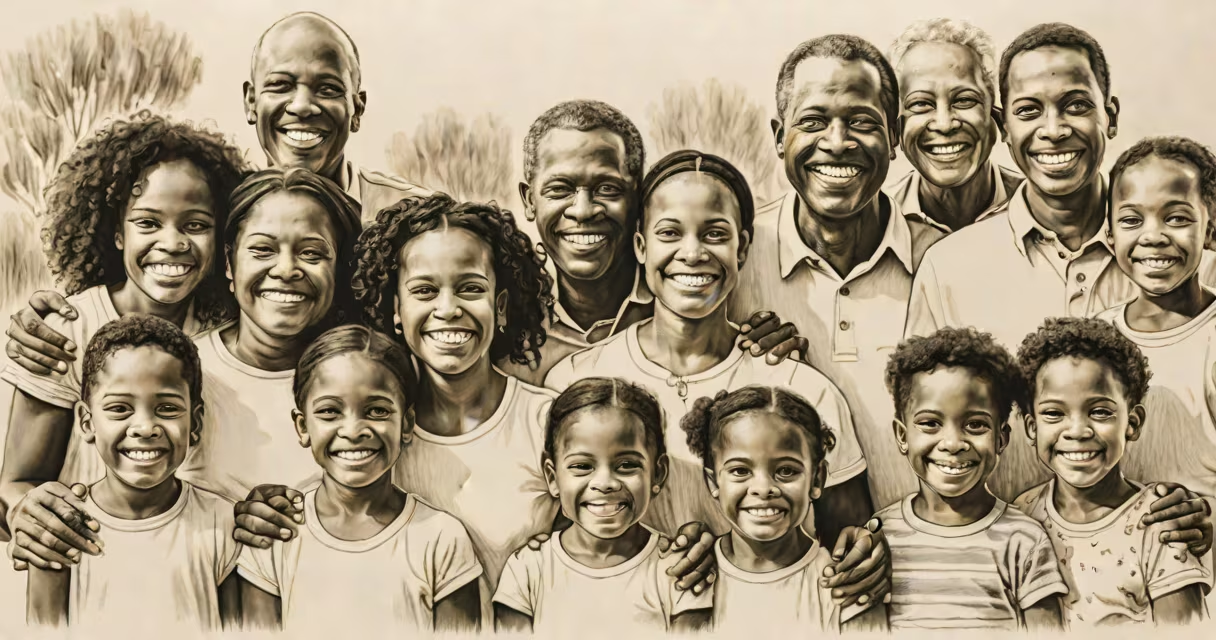
A step family, also known as a blended family, forms when two adults who each have children from previous relationships marry or begin living together. The children are related by law or biology to only one parent in the household. This structure creates new roles such as stepparent and stepchild, which require adjustment in communication, boundaries, and daily routines.
Step families differ from biological families because they are formed through remarriage or cohabitation rather than birth. They often involve complex emotional dynamics, especially during early stages when trust and loyalty are being negotiated. Legal frameworks govern issues like custody, visitation, and financial responsibility, particularly when children are involved.
According to the U.S. Census Bureau, about 16% of American households with children under 18 include at least one stepparent. The National Center for Health Statistics reports that nearly half of all marriages in the U.S. involve at least one partner who has been previously married. These numbers reflect a growing prevalence of step families in modern society.
When two adults form a step family, their children do not share a biological connection. The adult who is not the biological parent becomes a stepparent. This role involves providing care, guidance, and discipline without automatic authority based on blood relation. The absence of biological ties can create challenges in establishing authority and building emotional bonds.
Children may feel divided loyalties between their biological parents and the new stepparent. Research from the American Psychological Association shows that children in step families are more likely to report stress around parental conflict, especially during transitions like moves or holidays. Open communication and consistent routines help reduce anxiety and promote stability.
For example, a mother with two daughters from her first marriage marries a man who has one son from his previous relationship. After the wedding, the household includes four children and two adults. The husband becomes a stepparent to the two girls and a father to his own son. He must learn to balance parenting responsibilities while respecting the existing parent-child relationships.
Step families vary based on legal status, living arrangements, and degree of integration. The most common types include:
| Type | Description | Example |
|---|---|---|
| Remarried Step Family | Two adults with children from prior marriages marry and live together. | A divorced mother and a widowed father reunite and raise their combined children. |
| Co-Parenting Step Family | Partners live together but remain legally separated or divorced. | Two single parents share custody and cohabit with their respective children. |
| Single Stepparent Family | One adult with children enters a relationship with another adult who has no children. | A woman with two sons begins dating a man without children; he becomes a stepfather. |
Each configuration brings distinct challenges. Remarried families face shared custody decisions and holiday scheduling. Co-parenting families must manage legal agreements and frequent transitions between homes. Single stepparent families often struggle with defining roles due to lack of formal recognition.
Stepparents have no automatic legal rights unless they formally adopt the stepchild. Without adoption, a stepparent cannot make medical decisions, enroll the child in school, or claim them on taxes. According to the Child Welfare Information Gateway, only 30% of stepparents pursue formal adoption, often due to cost, complexity, or resistance from the biological parent.
Emotionally, stepchildren may resist bonding with a stepparent, especially if they associate the new adult with the loss of a previous family structure. A study published in the Journal of Family Psychology found that children aged 8-14 were less likely to report feeling close to a stepparent compared to biological parents. However, the same study noted that consistent positive interactions over time improved attachment rates by 45% within two years.
I once observed a stepmother struggling to connect with her stepson during a weekend visit. He refused to participate in activities she planned. After consulting a family therapist, she shifted from planning events to simply spending quiet time together-reading, walking, talking. Within six months, their relationship improved enough that he began asking her to join him on school field trips. The change wasn't dramatic-it was small, consistent moments that built trust.
Many people assume that step families are inherently unstable or dysfunctional. This belief stems from media portrayals that emphasize conflict. But data from the Pew Research Center shows that 68% of step families report high levels of satisfaction with their family life, especially when both partners agree on parenting styles and values.
Another misconception is that stepparents must replace the biological parent. That's not required. The goal is not replacement but addition-a supportive figure who contributes to the child's well-being without undermining the biological parent's role. Healthy step families function as networks of care, not replacements.
Some confuse step families with build families. Build families involve state custody and temporary placement. Step families result from personal choice and legal union. While both may involve children with past trauma, only step families have the potential for long-term legal ties through marriage or adoption.
Step families are not defined by conflict. They are defined by adaptation. The success of a step family hinges not on avoiding problems but on developing strategies to address them constructively. This includes setting clear expectations, maintaining separate routines when needed, and seeking professional support when tensions arise.
Understanding what is step family requires recognizing both the structural reality and the emotional work involved. It's not a single event but a process of integration. Legal clarity, emotional patience, and mutual respect form the foundation of lasting step family relationships.