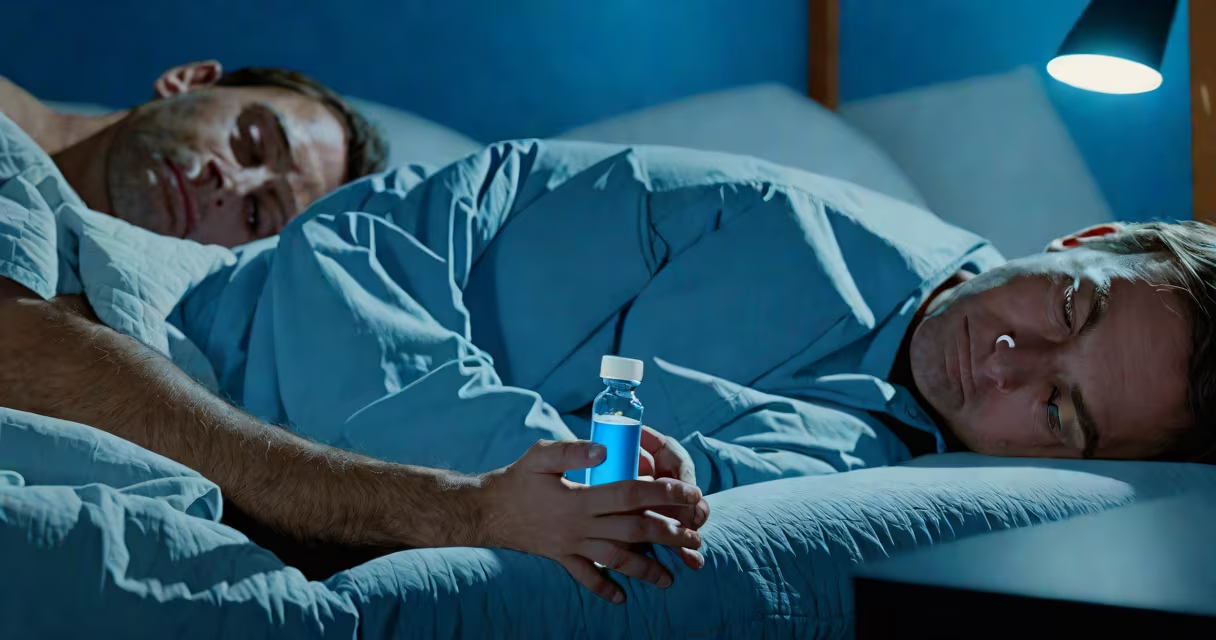
Yes, melatonin can cause vivid, unusual, or emotionally intense dreams in some individuals, primarily because it increases REM sleep duration and intensity. This effect is well-documented in clinical studies and reported by users of melatonin supplements.
Melatonin is a hormone naturally produced by the pineal gland in response to darkness. It regulates the sleep-wake cycle, signaling to the body that it's time to sleep. When taken as a supplement, synthetic melatonin mimics this signal, helping people fall asleep faster and improve sleep quality-especially those with delayed sleep phase syndrome or jet lag.
However, melatonin's influence on brain activity during sleep extends beyond just timing. It enhances slow-wave and REM sleep stages. Because REM sleep is when most dreaming occurs, increasing its duration or intensity can lead to more vivid, memorable, or emotionally charged dreams. Some users describe these dreams as surreal, bizarre, or even disturbing-though they're typically harmless and fade quickly upon waking.
Research shows that exogenous melatonin increases REM sleep latency reduction and prolongs REM duration. A 2017 study published in Neuroscience Letters found that participants taking 3 mg of melatonin before bedtime experienced longer REM periods compared to placebo groups. Longer REM cycles correlate with increased dream recall and intensity.
The mechanism involves melatonin binding to MT1 and MT2 receptors in the suprachiasmatic nucleus-the brain's internal clock. Activation of these receptors suppresses daytime alertness and promotes sleep onset. But they also modulate limbic system activity, which governs emotion and memory. This interaction may amplify emotional content in dreams, making them feel more real or overwhelming.
A 2021 review in Journal of Clinical Sleep Medicine noted that while melatonin is generally safe for short-term use, dream disturbances were among the most frequently reported side effects in clinical trials, affecting approximately 5-8% of users. These effects were dose-dependent: higher doses (above 3 mg) correlated with stronger dream intensity.
Not all dream changes are the same. Users report different experiences based on dosage, timing, and individual sensitivity. The following table outlines common dream-related effects:
| Dream Type | Description | Frequency in Studies |
|---|---|---|
| Vivid dreams | Detailed, emotionally rich dreams with clear imagery and narrative flow. | ~6% |
| Bizarre dreams | Unusual scenarios, impossible physics, or surreal characters. | ~3% |
| Recurrent dreams | Repeated themes or plots, often involving anxiety or unresolved issues. | ~2% |
| Nightmares | Distressing dreams with fear, threat, or helplessness. | ~1% |
These reports come from double-blind, placebo-controlled trials cited in the International Journal of Circadian Rhythms., nightmares were rare and usually resolved after discontinuing melatonin or reducing dose.
Individuals with certain neurological or psychological profiles are more susceptible. People with a history of PTSD, anxiety disorders, or high dream recall tendencies report stronger dream effects. A 2019 study in Psychological Medicine found that those who already recalled dreams frequently were twice as likely to report melatonin-induced dream changes.
Timing matters too. Taking melatonin too late in the evening-after 11 PM-can disrupt natural circadian rhythms and increase REM density. Experts recommend taking 0.5-3 mg about 30-60 minutes before bedtime, ideally between 8 and 10 PM, to align with natural melatonin release.
One user shared their experience: "I took 5 mg before bed for a week to fix my insomnia. By day four, I had a dream where I was flying through a city made of glass. It felt real. I woke up disoriented. Stopped the supplement, and the dreams faded within two nights." This anecdote reflects a pattern seen in multiple case reports.
Many assume that melatonin causes nightmares or hallucinations. This is incorrect. Melatonin does not induce psychotic symptoms or visual hallucinations. The dreams remain within the area of dream logic-unusual, but not delusional. Unlike psychedelics or antipsychotics, melatonin doesn't alter perception or consciousness in waking states.
Another myth is that all melatonin users get weird dreams. This is false. Most people (over 90%) report no change in dream quality. The effect is idiosyncratic and varies widely by genetics, baseline sleep architecture, and mental health status.
Also, melatonin doesn't "make" dreams happen-it amplifies existing dream activity. If your brain naturally produces vivid dreams, melatonin may bring them to the surface. If not, it won't create them out of nothing.
If you experience persistent or distressing dreams after taking melatonin, reduce the dose. Start with 0.5 mg and increase only if needed. Many users find that lowering the dose eliminates dream disturbances while still improving sleep onset.
Try taking melatonin earlier in the evening. A 2020 study in Sleep Health showed that participants who took melatonin at 8 PM reported fewer dream disruptions than those who took it at 11 PM.
For most people, melatonin-induced dreams are temporary and benign. They don't indicate a medical problem and rarely require treatment. The key is recognizing the difference between normal dream variation and signs of deeper sleep disruption.
Understanding how melatonin affects sleep architecture helps users make informed choices. While it may cause vivid or odd dreams in some, the benefits for sleep onset and regulation often outweigh the risks-especially when used responsibly.