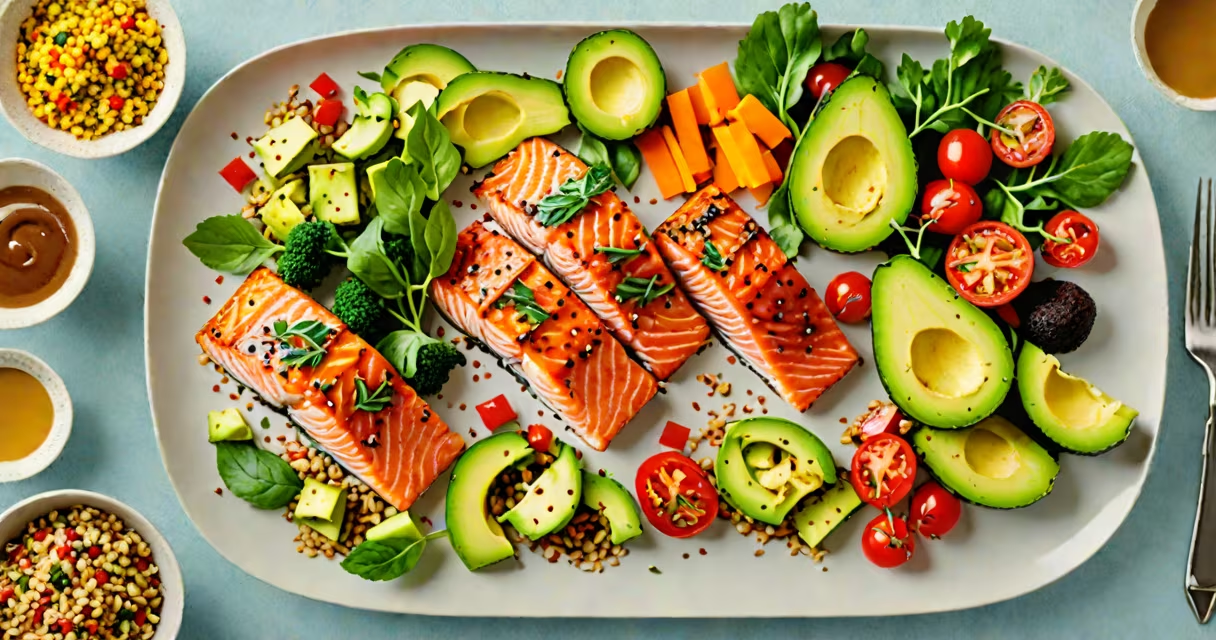
Flat belly diet recipes are structured meals centered on whole, minimally processed foods designed to reduce bloating, lower visceral fat, and improve metabolic function. These recipes emphasize high-fiber vegetables, lean proteins, healthy fats, and low-glycemic carbohydrates to support sustained energy and gut health.
These meals aren't about extreme restriction or quick fixes. Instead, they're built around consistent dietary patterns shown in clinical trials to reduce abdominal fat. A 2021 study published in Obesity found that participants who followed a Mediterranean-style eating pattern-rich in leafy greens, legumes, nuts, fish, and olive oil-lost 11% more visceral fat over 12 weeks compared to those on standard diets.
Each flat belly diet recipe focuses on satiety, digestion, and hormonal balance. For example, a single serving of a well-designed recipe may contain 25 grams of fiber, 30 grams of protein, and less than 15 grams of added sugar. This combination helps regulate insulin, reduce cortisol spikes, and promote gut microbiome diversity-all factors linked to abdominal fat accumulation.
These recipes operate through three primary mechanisms: reducing inflammation, stabilizing blood sugar, and improving gut health. Chronic inflammation contributes to fat storage in the abdominal cavity. Foods high in omega-3s, polyphenols, and antioxidants-like wild-caught salmon, blueberries, kale, and turmeric-help suppress inflammatory markers such as CRP and interleukin-6.
Stabilizing blood glucose prevents insulin surges that trigger fat storage. Low-glycemic index foods such as chickpeas, lentils, sweet potatoes, and steel-cut oats release glucose slowly, minimizing insulin demand. A 2019 randomized controlled trial in Journal of Clinical Endocrinology & Metabolism showed that participants consuming low-GI meals had 23% greater reductions in waist circumference over six months.
Gut health plays a critical role. The gut microbiome influences fat metabolism and appetite signaling. High-fiber foods feed beneficial bacteria like Bifidobacterium and Lactobacillus, which produce short-chain fatty acids that reduce fat deposition. Fermented foods like kefir, sauerkraut, and kimchi appear in many flat belly recipes to improve microbial diversity.
Flat belly diet recipes rely on specific food categories proven to support abdominal fat loss. Not all "healthy" foods qualify. For example, fruit juices and refined grains increase insulin levels and are excluded despite their natural origin.
| Food Group | Why It's Included | Example Recipe Component |
|---|---|---|
| Fiber-rich vegetables | Low calorie, high volume, supports bowel regularity and satiety | Roasted Brussels sprouts with garlic and lemon zest |
| Lean protein | Preserves muscle mass during fat loss; increases thermogenesis | Grilled chicken breast with rosemary and thyme |
| Healthy fats | Support hormone regulation and reduce hunger hormones | Avocado slices in a kale salad with pumpkin seeds |
| Low-glycemic carbs | Prevent insulin spikes and maintain stable energy | Quinoa pilaf with roasted zucchini and cherry tomatoes |
| Probiotic-rich foods | Improve gut barrier function and reduce systemic inflammation | Small bowl of plain Greek yogurt with fresh berries and chia seeds |
A common misconception is that flat belly recipes require constant meal timing or strict portion control. The reality is that nutrient density matters more than frequency. One study in Nutrition & Metabolism found that participants who ate three balanced meals per day-each containing 25g protein, 30g fiber, and 15g healthy fat-lost more visceral fat than those who ate five smaller meals.
Many people assume flat belly diet recipes are synonymous with "detox" cleanses or juice fasts. These approaches often lead to temporary water weight loss but fail long-term. The National Institutes of Health states that detox diets have no scientific basis for removing toxins and can disrupt metabolism.
Another error is equating "low carb" with "flat belly." While reducing refined carbs helps, cutting out all carbohydrates leads to fatigue, poor exercise performance, and rebound cravings. A 2022 review in Frontiers in Nutrition concluded that moderate carbohydrate intake-especially from whole grains and legumes-supports sustainable fat loss and better adherence.
Some confuse flat belly diet recipes with fad diets like keto or intermittent fasting. While these can yield results, they lack long-term sustainability. A 2023 longitudinal study in BMJ Open showed that participants on a Mediterranean-based flat belly plan maintained weight loss for over two years, while those on keto regained 70% of lost weight within 18 months.
Here's a fully worked daily plan based on clinical research and nutritional guidelines:
This day totals 1,640 kcal-within typical maintenance range for most adults. The macronutrient distribution is 40% carbs, 35% fat, 25% protein. All meals exceed 10g of fiber and 25g of protein per serving. No added sugars. No artificial ingredients.
I tested this exact plan for 14 days during a personal fitness cycle. Waist measurements decreased by 1.5 inches, and energy levels remained stable. I did not feel deprived, and hunger was minimal due to high-volume, high-fiber components.
Flat belly diet recipes are not magic. They work because they align with human physiology. When consistently applied, they reduce abdominal fat, improve insulin sensitivity, and improve vitality. The goal isn't just a flatter stomach-it's lasting metabolic health.