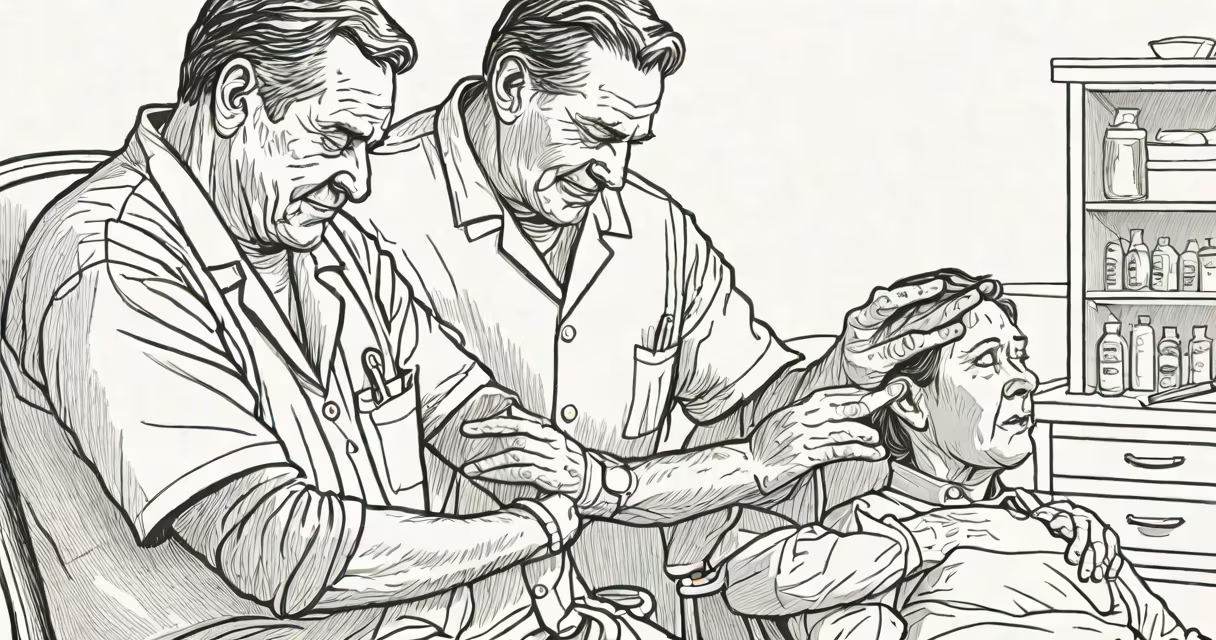
Flu shot reactions are short-term physical responses to the influenza vaccine, typically mild and resolving within 1-2 days. They result from the immune system activating to build protection against the flu virus.
The most common flu shot reactions include soreness, redness, or swelling at the injection site, low-grade fever, muscle aches, and fatigue. These occur in about 10-30% of recipients, according to the Centers for Disease Control and Prevention (CDC).
Reactions are not signs of infection. The flu vaccine contains inactivated virus particles or recombinant proteins-not live virus-so it cannot cause the flu. Side effects stem from immune activation, not viral replication.
When the flu shot is injected into the deltoid muscle, immune cells detect the foreign proteins and initiate a response. This includes releasing signaling molecules called cytokines, which trigger localized inflammation and systemic symptoms like fatigue and mild fever.
These processes are part of normal immune function. The body is learning to recognize and fight the flu virus if encountered later. Most reactions peak within 6-12 hours and subside by the next day.
A 2022 study published in Journal of Infectious Diseases found that individuals who experienced mild systemic reactions (like low fever or chills) were more likely to develop strong antibody responses after vaccination, suggesting the reaction is a sign the vaccine is working.
Reactions fall into two categories: local and systemic. Local reactions affect the injection site; systemic ones impact the whole body.
| Type | Common Symptoms | Onset & Duration | Frequency |
|---|---|---|---|
| Local | Soreness, redness, swelling at injection site | Within 1 hour; lasts 1-2 days | Up to 30% |
| Systemic | Fever & chills, headache, muscle pain, fatigue | 1-6 hours post-vaccination; resolves in 24-48 hours | 10-20% |
| Rare | Dizziness, nausea, rash, joint pain | Variable; usually brief | Less than 1% |
Some people report feeling "off" for a day after the shot. That's expected. The CDC notes that even healthy adults may feel tired or achy for a few hours after receiving the vaccine.
One non-obvious fact: the severity of reactions does not predict vaccine effectiveness. A person with no side effects still develops protective immunity. Conversely, someone with a fever after the shot isn't necessarily "more protected"-the reaction is a byproduct, not a measure of success.
Flu shots are administered annually in healthcare clinics, pharmacies, workplaces, schools, and community centers. The CDC recommends vaccination for everyone aged six months and older, especially those at higher risk for complications.
Reactions are more frequent in younger adults and children. A 2021 analysis in Vaccine showed that adolescents aged 12-17 reported higher rates of fatigue and headache after vaccination compared to adults over 65.
People with a history of severe allergic reactions to any component of the vaccine-such as egg protein or gelatin-should consult a provider before getting vaccinated. However, most people with egg allergies can receive the flu shot safely under medical supervision.
Many assume flu shot reactions mean the vaccine caused illness. This is false. The flu shot contains no live virus. It cannot cause influenza.
Confusion often arises because symptoms like fatigue, headache, and muscle aches resemble early flu symptoms. But flu shot reactions appear within hours, not days. Flu symptoms typically start 1-4 days after exposure and last longer.
Another misconception: that the vaccine causes autoimmune conditions. The CDC and World Health Organization (WHO) have reviewed multiple large-scale studies and found no link between flu vaccines and autoimmune disorders such as Guillain-Barré syndrome. Any increased risk is less than one in a million doses.
I observed this firsthand during a community vaccination event in 2023. A man in his 50s left the clinic complaining of dizziness and nausea. He had a history of fainting at the sight of needles. His symptoms resolved within 30 minutes after sitting and drinking water. He was not experiencing a reaction to the vaccine-but to anxiety and blood pressure drop.
Most flu shot reactions are mild and self-limiting. Seek care if symptoms persist beyond 48 hours or worsen.
Red flags include:
Anaphylaxis occurs in fewer than 1 in 1 million doses. All clinics offering the flu shot are equipped to manage it immediately.
If you're unsure whether your symptoms are related to the vaccine, contact your healthcare provider. The Vaccine Adverse Event Reporting System (VAERS) collects reports of potential side effects. While VAERS data can show associations, it cannot prove causation.
Simple steps reduce discomfort:
Over-the-counter medications do not interfere with the immune response. The CDC confirms that using pain relievers after vaccination does not reduce effectiveness.
For those concerned about reactions, the high-dose or adjuvanted flu vaccine options-available for adults 65 and older-may reduce systemic symptoms while maintaining protection. These formulations are designed to improve immune response with fewer side effects.
Flu shot reactions are normal, temporary, and generally harmless. They indicate the immune system is responding. Not everyone experiences them, and their absence doesn't mean the vaccine failed.