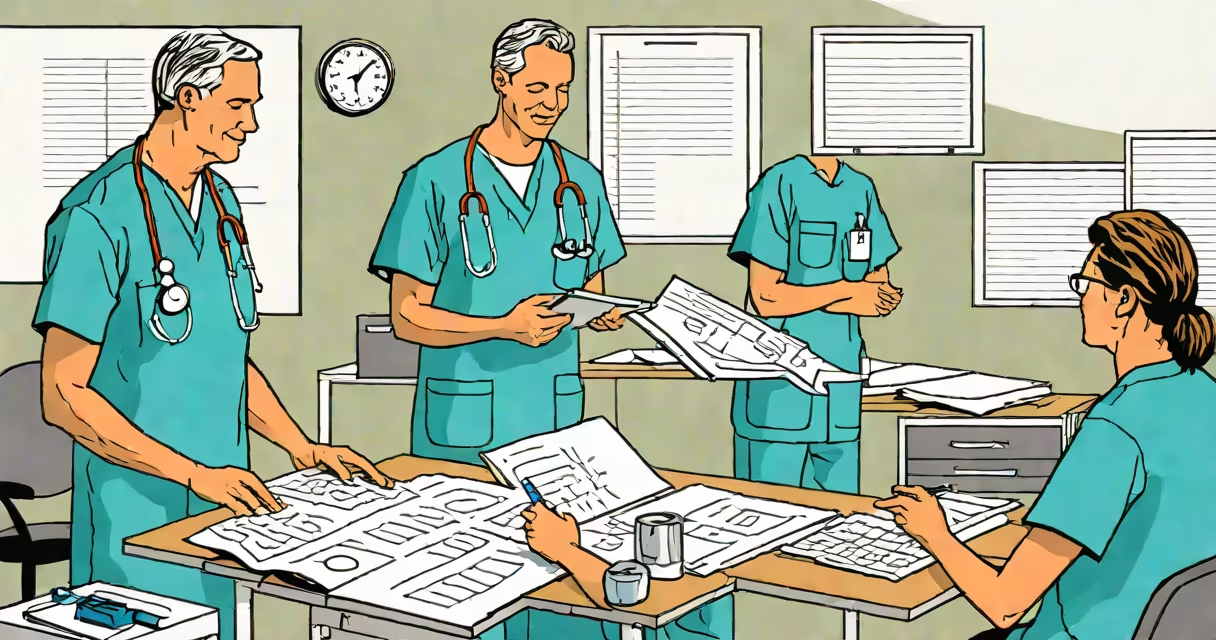
Professionalism in healthcare is the consistent demonstration of ethical behavior, respectful communication, and accountability by medical professionals in all interactions with patients, colleagues, and systems. It includes integrity, empathy, competence, and adherence to standards that prioritize patient well-being above personal interest.
At its core, professionalism is not about wearing a badge or holding a title-it's about actions. A nurse who listens carefully to a patient's concerns, double-checks medication dosages, and reports errors promptly embodies professionalism. A physician who explains complex diagnoses in plain language and respects cultural differences during consultations demonstrates it too. These behaviors are measurable, expected, and non-negotiable in clinical environments.
The American Board of Medical Specialties (ABMS) identifies professionalism as one of six core competencies for physicians, alongside patient care, medical knowledge, practice-based learning, interpersonal skills, and systems-based practice. The ABMS defines it as "a commitment to carrying out professional responsibilities, adhering to ethical principles, and being sensitive to a diverse patient population." This standard applies across specialties-from surgeons to mental health providers.
Professionalism functions through daily choices: how clinicians communicate, make decisions, handle stress, and respond to mistakes. It operates at multiple levels-individual, team, institutional, and systemic. When a doctor admits a diagnostic error to a patient and outlines corrective steps, they're practicing professionalism. When a hospital implements a mandatory reporting system for near-misses, it institutionalizes professional responsibility.
Communication is a key driver. A study published in *JAMA Internal Medicine* found that patients rated clinicians higher in trust and satisfaction when those providers used empathetic language, maintained eye contact, and avoided jargon-even when outcomes were unchanged. Simple acts like saying "I understand this is difficult" or "Let me explain this step by step" build rapport and reduce anxiety.
Accountability is another pillar. When a resident fails to document a patient's pain assessment, or a pharmacist dispenses a medication without verifying allergies, these lapses undermine professionalism. They aren't just errors-they are breaches of professional duty. The National Patient Safety Foundation notes that 80% of serious medical errors involve communication breakdowns, often rooted in unprofessional conduct.
Professionalism in healthcare isn't monolithic. It consists of several interrelated elements, each with distinct expectations:
| Component | Description | Example |
|---|---|---|
| Integrity | Honesty in documentation, disclosure of conflicts of interest, refusal of gifts or bribes. | A radiologist declines a pharmaceutical company's offer to promote a new imaging device in exchange for free travel. |
| Respect | Valuing patients' autonomy, cultural backgrounds, and dignity regardless of diagnosis or social status. | A palliative care team adjusts visit times to accommodate a patient's religious observances. |
| Competence | Maintaining up-to-date knowledge, seeking consultation when needed, recognizing limits of expertise. | An intern requests a dermatology consult for a rare skin condition instead of guessing at a diagnosis. |
| Altruism | Prioritizing patient welfare over personal gain, time, or convenience. | A surgeon stays late to perform an emergency procedure on a child with a ruptured appendix. |
| Responsibility | Following protocols, completing tasks on time, accepting feedback constructively. | A lab technician reports a delayed result to the attending physician within 15 minutes of detection. |
These components are not optional. The Accreditation Council for Graduate Medical Education (ACGME) requires residency programs to assess professionalism annually using direct observation, peer reviews, and patient feedback. Programs that fail to meet standards risk losing accreditation.
Professionalism is most visible in high-stakes moments-when a patient is dying, when a family demands immediate action, or when a clinician faces burnout. In such cases, professionalism becomes a stabilizing force. It prevents panic-driven decisions, ensures continuity of care, and maintains public confidence.
Consider a 2021 incident at a major urban hospital where a physician failed to inform a patient's family about a sudden deterioration in condition. The delay led to a wrongful death lawsuit. The court ruled that while the medical team had technical skill, their failure to communicate effectively-especially during critical transitions-constituted a breach of professional duty. The case was cited in a subsequent policy update by the Joint Commission, which now mandates structured handoff training for all clinical staff.
Another example: a 2022 survey by the American Medical Association found that 68% of patients would avoid a provider who displayed poor bedside manner, even if the provider had excellent clinical outcomes. Patients associate professionalism with safety, respect, and emotional support-not just accuracy.
Many assume professionalism equates to formality or stiffness. That's incorrect. A professional clinician may wear casual scrubs, speak in a relaxed tone, and use humor-but only when appropriate and never at the expense of the patient. The key is consistency of intent, not appearance.
Some confuse professionalism with compliance. Compliance means following rules. Professionalism means doing the right thing even when no rule exists. For example, a nurse may legally leave a patient unattended during a routine check-in-but choosing to stay because the patient appears anxious reflects professionalism, not just rule-following.
A lesser-known but critical distinction: professionalism is not synonymous with perfection. A clinician who admits a mistake during rounds, says "I don't know," or asks for help is not failing-they are succeeding in professionalism. The Institute for Healthcare Improvement (IHI) emphasizes that psychological safety in teams grows when members feel safe to speak up without fear of blame. This culture is foundational to professional behavior.
In 2019, a 58-year-old man with diabetes presented to an urgent care clinic with fatigue and blurred vision. His primary care provider had recently changed his insulin regimen. The triage nurse noted elevated blood glucose but did not flag it for the physician. The doctor saw the patient briefly, prescribed a refill, and dismissed him.
Two days later, the man was admitted to the ICU with diabetic ketoacidosis. An investigation revealed that the nurse had documented the high glucose reading but failed to escalate it due to fear of "overreacting." The physician had not reviewed the prior visit notes thoroughly. Both staff members were trained in professionalism but did not act on it.
This case illustrates how professionalism isn't just individual behavior-it's systemic. The clinic later implemented a mandatory "escalation protocol" requiring nurses to notify physicians verbally if important signs exceed thresholds. Within six months, early intervention rates rose by 41%. The change wasn't about new tools-it was about reinforcing professional responsibility.
I observed this process firsthand during a rotation at a community health center. The leadership introduced weekly "professionalism huddles"-short, non-punitive meetings where staff discussed challenging cases and reflected on their responses. The goal wasn't to assign blame but to strengthen shared norms. After nine months, patient satisfaction scores increased by 27%, and staff turnover dropped by 33%.
Professionalism is not the same as:
One non-obvious fact: professionalism is not static. It evolves with societal values. For example, the concept of "cultural humility"-a willingness to learn from patients about their beliefs and practices-is now central to professionalism training. The American Psychological Association now includes it in its guidelines for mental health professionals.
Defining professionalism in healthcare means recognizing it as a changing, observable standard-not a vague ideal. It's shown in how a clinician greets a patient, how they document a conversation, how they respond to a colleague's mistake, and how they advocate for a vulnerable individual.
When healthcare professionals uphold professionalism consistently, they create environments where patients feel seen, trusted, and cared for-not just treated. This foundation supports better outcomes, stronger teams, and lasting public confidence.