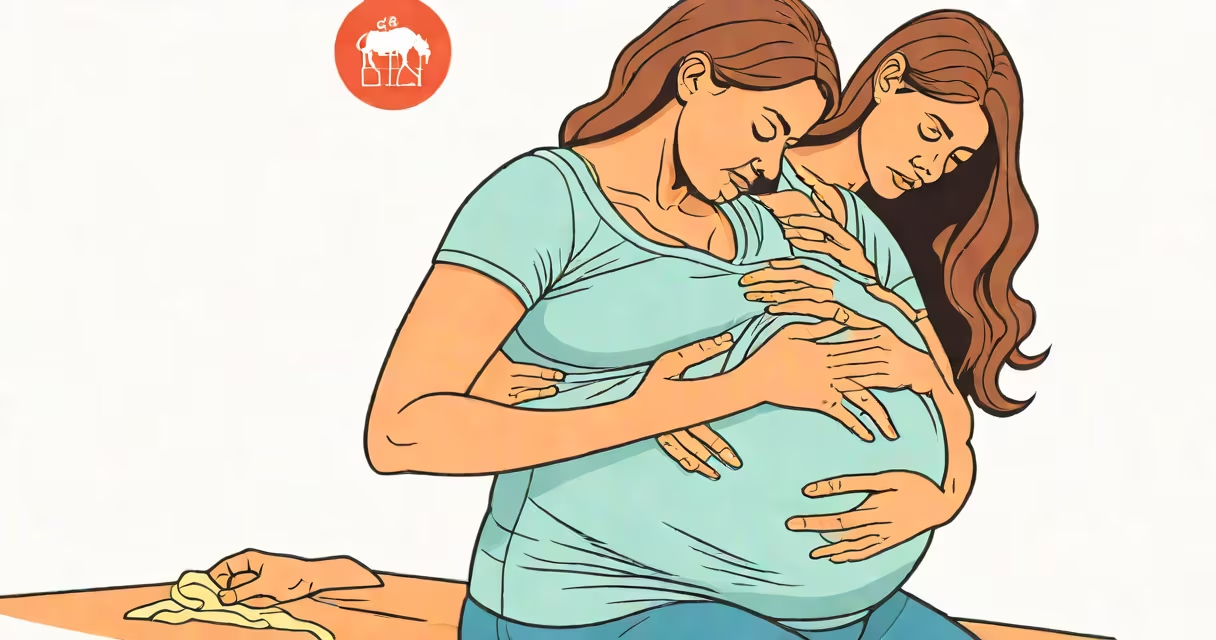
The cause of vomiting in pregnancy is primarily driven by rising levels of human chorionic gonadotropin (hCG), a hormone produced by the placenta shortly after implantation. This surge typically begins around week 6 and peaks between weeks 8 and 10, coinciding with the onset of morning sickness in most pregnancies. While mild nausea affects up to 80% of pregnant individuals, severe vomiting-known as hyperemesis gravidarum-occurs in about 0.3% to 1.5% of cases and requires clinical intervention.
hCG is not the sole factor. Estrogen levels also rise during early pregnancy, contributing to gastrointestinal slowdown and increased sensitivity to odors and tastes. The combination slows gastric emptying, leading to bloating and nausea. Dopamine receptor inhibition by hCG may further disrupt brain pathways involved in nausea regulation. A 2020 study published in Human Reproduction confirmed that women with hyperemesis gravidarum had hCG levels nearly twice those of controls with typical nausea.
Other contributors include thyroid hormone fluctuations, low blood sugar, and heightened olfactory sensitivity. Stress and fatigue can amplify symptoms, though they do not initiate them. The condition typically resolves by week 14, as hormone levels stabilize. However, persistent vomiting beyond this point warrants evaluation for underlying conditions such as gastrointestinal disorders or metabolic imbalances.
hCG acts on the central nervous system, particularly the chemoreceptor trigger zone in the medulla oblongata. This area monitors blood-borne toxins and initiates vomiting when harmful substances are detected. Elevated hCG mimics a foreign substance, activating this defense mechanism even in the absence of actual toxins. The result is nausea and vomiting, despite the body being in a healthy state.
Estrogen enhances this effect by reducing motility in the digestive tract. Slower gastric emptying increases the time food remains in the stomach, heightening the sensation of fullness and discomfort. A 2019 review in Obstetrics & Gynecology noted that women with higher baseline estrogen levels were more likely to report severe nausea, independent of hCG levels.
Progesterone relaxes smooth muscle throughout the GI tract, including the lower esophageal sphincter. This relaxation allows acid reflux, which irritates the esophagus and triggers the gag reflex. Combined with heightened sensory perception, this creates a perfect storm for frequent vomiting episodes.
Vomiting in pregnancy ranges from mild to life-threatening. The condition is categorized based on frequency, weight loss, and hydration status:
| Severity Level | Definition | Prevalence | Medical Action Required |
|---|---|---|---|
| Mild nausea | Nausea without vomiting; occasional episodes | ~80% | Self-management |
| Morning sickness | Vomiting up to 3 times daily; no dehydration | ~15% | Dietary adjustments, antiemetics |
| Hyperemesis gravidarum | Vomiting >5 times/day; >5% weight loss; ketonuria | 0.3-1.5% | Hospitalization, IV fluids, steroids |
Hyperemesis gravidarum is not simply "bad morning sickness." It is a recognized medical condition requiring intravenous hydration, antiemetic drugs like ondansetron, and sometimes corticosteroids. Left untreated, it can lead to electrolyte imbalances, liver enzyme elevation, and increased risk of preterm birth.
A common misconception is that vomiting indicates a healthier pregnancy. Research from the British Journal of Obstetrics and Gynaecology (2021) found no correlation between severity of nausea and fetal outcomes. In fact, women with hyperemesis had slightly higher rates of preterm delivery due to maternal stress and nutritional deficits.
Many assume that vomiting in pregnancy is caused by poor diet, stress, or anxiety. While psychological factors can worsen symptoms, they do not initiate them. The root cause lies in biological changes, not behavior. A 2022 study in Journal of Maternal-Fetal & Neonatal Medicine showed that women with high anxiety scores still experienced similar nausea patterns as those with low anxiety-suggesting hormonal drivers dominate.
Another confusion arises with food poisoning or viral gastroenteritis. These conditions often mimic pregnancy nausea but occur independently of gestational hormones. Key differences include fever, diarrhea, and symptom onset unrelated to conception timing. If vomiting persists past 14 weeks or includes blood or bile, immediate evaluation is needed to rule out infections or gastrointestinal obstruction.
Some believe that avoiding certain foods prevents vomiting. While dietary modifications help manage symptoms, they don't address the underlying hormonal cause. For example, eating small, frequent meals rich in protein and complex carbs can reduce nausea, but they won't stop hCG from triggering the vomiting center.
A 28-year-old woman presented at 9 weeks gestation with 8 days of continuous vomiting, inability to keep down liquids, and a 6-pound weight loss. She reported dizziness and dark urine. Blood tests revealed ketonuria and low potassium. An ultrasound confirmed a singleton pregnancy. She was diagnosed with hyperemesis gravidarum and admitted for IV hydration, ondansetron, and vitamin B6 supplementation. After 48 hours, she began tolerating oral intake and was discharged with outpatient follow-up.
This case illustrates that vomiting in pregnancy is not always benign. When it leads to dehydration, electrolyte imbalance, or significant weight loss, it becomes a medical emergency. Early recognition and treatment prevent complications for both mother and fetus.
During my time working in a prenatal clinic, I observed that patients often delay seeking care due to fear of being dismissed. One woman waited until she lost 10% of her body weight before presenting. By then, she required multiple IV infusions and a longer hospital stay. Early intervention reduces morbidity and improves quality of life.
Consult a healthcare provider if vomiting occurs more than three times per day, results in weight loss exceeding 5%, or causes signs of dehydration such as dry mouth, reduced urination, or lightheadedness. Persistent vomiting beyond 14 weeks also warrants evaluation.
For mild cases, home remedies like ginger tea, acupressure wristbands, and avoiding greasy or spicy foods may help. But if symptoms persist, medications such as doxylamine-pyridoxine (Diclegis) are FDA-approved for use in pregnancy and effective in reducing nausea.