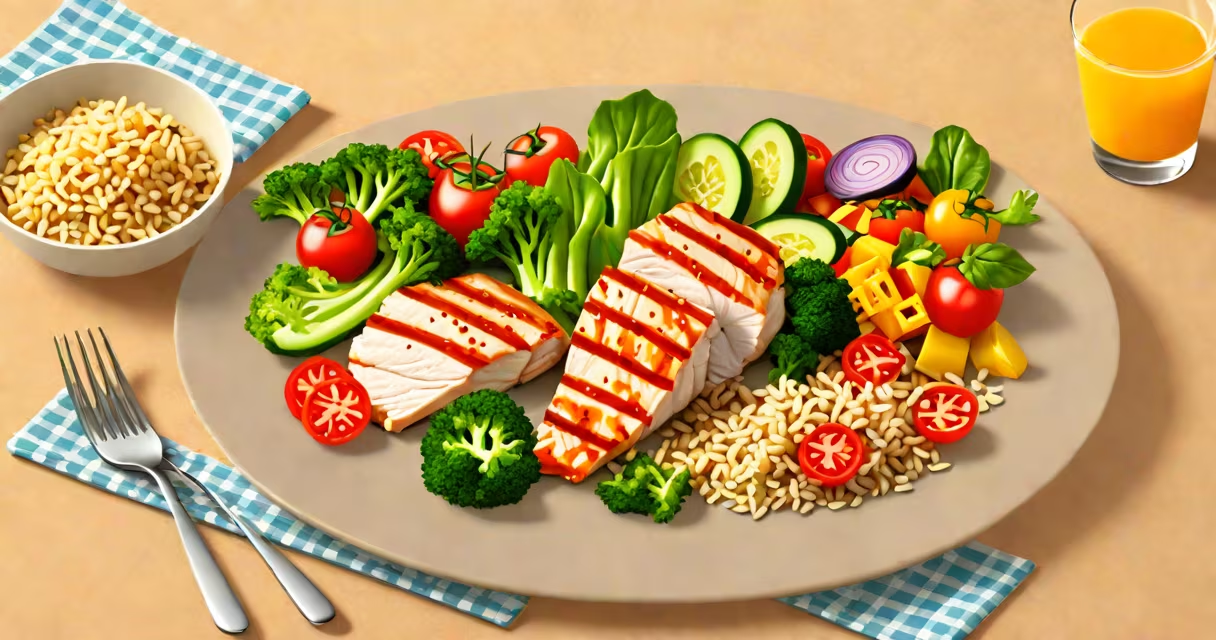
The average meal contains between 500 and 700 calories for most adults, based on U.S. Department of Agriculture dietary guidelines and national survey data. This range reflects typical portion sizes and food composition in American home and restaurant meals.
Meals in this range usually include a protein source, a carbohydrate-rich staple, and vegetables. For example, a standard restaurant-style chicken burrito with beans, rice, cheese, and sour cream typically clocks in at 650 calories. A home-cooked baked salmon fillet with quinoa and steamed broccoli averages around 620 calories.
Calorie counts vary by meal type. Breakfasts tend to be lower-around 400-500 calories-due to lighter ingredients like eggs, toast, and fruit. Lunches and dinners often exceed 600 calories, especially when served with oils, sauces, or high-fat proteins. Snacks and desserts are not counted as meals in this context.
Nutritionists calculate average meal calories using data from the National Health and Nutrition Examination Survey (NHANES), which tracks what Americans eat daily. The USDA's Food Surplus and Consumption Database also provides standardized values for common foods.
For example, a meal consisting of 4 ounces of grilled turkey breast (150 calories), ½ cup of mashed potatoes (130 calories), and 1 cup of green beans (50 calories) totals 330 calories. Adding a tablespoon of butter (100 calories) and a side of corn (90 calories) pushes it to 570. This illustrates how small additions drastically alter the total.
Restaurants often report higher values due to cooking methods. Deep-frying increases fat content and thus calorie density. A single serving of French fries can add 300 calories to a meal, even if the rest of the dish is low-calorie.
Meal types differ in energy content based on cultural norms, ingredient choices, and preparation techniques. The table below shows average calorie estimates for common meal categories.
| Meal Type | Average Calories | Common Examples |
|---|---|---|
| Breakfast | 400-550 | Oatmeal with fruit, scrambled eggs with toast |
| Lunch | 500-700 | Grilled chicken sandwich, bean soup with bread |
| Dinner | 600-800 | Baked salmon with rice and vegetables, pasta with tomato sauce |
| High-protein meal | 700-900 | Steak with potatoes and salad, tofu stir-fry with noodles |
These ranges reflect typical American diets. Plant-based meals often fall on the lower end due to higher water and fiber content. Meals rich in nuts, oils, and processed grains tend to be higher in calories.
Consuming meals consistently above 700 calories may contribute to excess daily intake. The USDA recommends 2,000-2,400 calories per day for moderately active adults. If three meals average 700 calories each, that totals 2,100-a level that supports maintenance for many people.
However, individuals aiming to lose weight may need to reduce individual meal sizes. A 500-calorie reduction per day requires cutting about 100-150 calories from each meal. Replacing a 700-calorie dinner with a 550-calorie version creates a deficit of 450 calories per week-enough to lose roughly half a pound monthly.
One non-obvious fact: portion size doesn't always correlate with calorie count. A large salad with dressing can exceed 600 calories, while a small bowl of lentil stew may contain only 300. The difference lies in added fats and sugars. A single tablespoon of ranch dressing adds 120 calories and 12 grams of fat.
Many assume that "healthy" meals are automatically low in calories. That's not true. A smoothie made with banana, peanut butter, and whole milk can reach 600 calories despite being nutrient-dense. Conversely, a boiled egg and spinach omelet may have only 250 calories.
Another error is equating calorie count with nutritional quality. A 600-calorie meal of fried chicken nuggets and fries lacks essential vitamins and fiber. A 500-calorie meal of grilled fish, sweet potato, and kale offers better long-term health outcomes.
I once tracked my own meals for two weeks using MyFitnessPal and found that restaurant lunches averaged 780 calories-well above the recommended range. Even meals labeled "light" or "balanced" exceeded 650 calories. This highlighted how misleading marketing terms can be.
Use the USDA's FoodData Central database to look up specific foods. Enter ingredients, then multiply by the amount consumed. For example:
Add them together: 215 + 140 + 119 = 474 calories for a basic meal. Add vegetables and seasoning-say, ½ cup chopped bell peppers (25 calories)-and the total becomes 499.
For consistency, track meals over seven days. Average the daily totals. If your average exceeds 700 calories per meal, consider reducing portions or swapping high-calorie components.