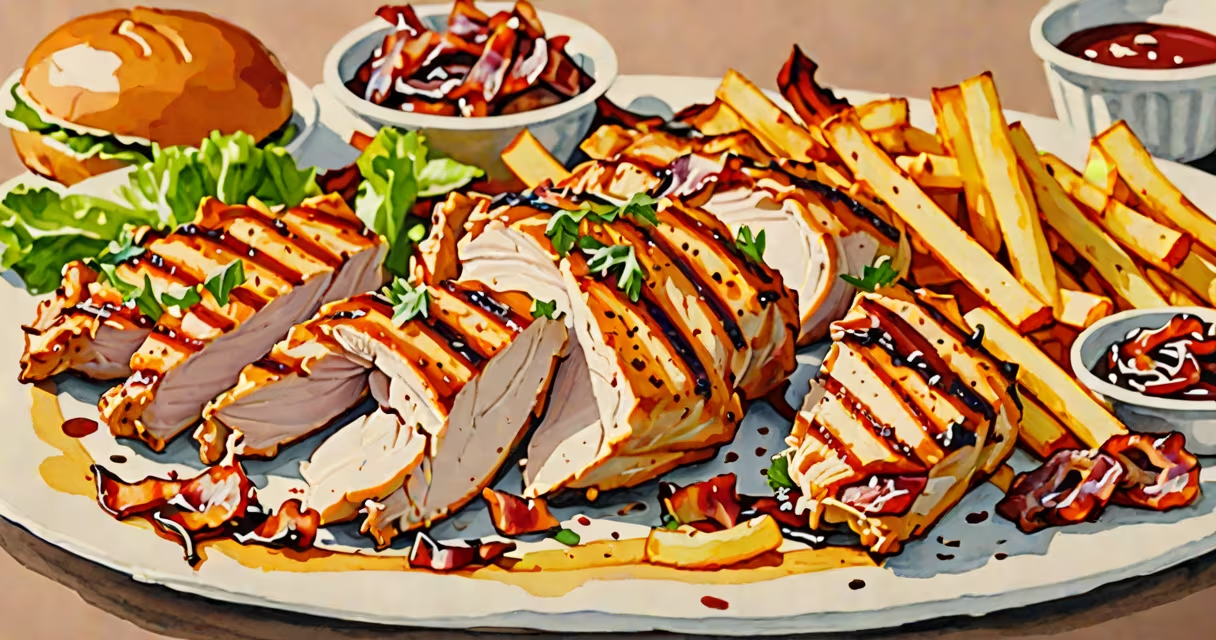
Zero carb fast food refers to restaurant meals designed to contain less than 1 gram of digestible carbohydrates per serving, typically featuring meat, eggs, cheese, and fats while omitting bread, potatoes, sugary sauces, and starchy sides.
These meals exclude all sources of net carbs-sugars and starches that raise blood glucose. They're intended for people following ketogenic, diabetic, or extremely low-carb diets who need to avoid even small carbohydrate spikes. A true zero carb meal contains no measurable carbohydrates beyond trace amounts found in natural ingredients.
For context, the FDA defines "zero" on nutrition labels as less than 0.5 grams of carbohydrates per serving. Real-world zero carb fast food often aims for under 0.1 grams to ensure compliance with strict dietary goals.
Zero carb fast food relies on eliminating all high-carb components: buns, fries, sweet sauces, and processed grains. Instead, it focuses on whole, unprocessed proteins and fats. The core principle is replacing energy sources from carbohydrates with fat and protein.
For example, a burger without a bun, served with bacon and cheese, uses beef, fat, and dairy-all naturally low in carbs. When cooked without sugar-based marinades or ketchup, such a meal can stay below 1 gram of net carbs. Adding avocado or a side of scrambled eggs keeps it within range.
Restaurants don't always label these options. Many claim "low carb" but still serve items with 5-10 grams of carbs per portion due to hidden sugars in sauces or breading. True zero carb fast food requires scrutiny of ingredient lists and preparation methods.
Not all fast food chains offer zero carb options, but several provide customizable meals that can be adapted. The key is choosing base items with no added carbs and avoiding condiments with sugar or starch.
| Meal Type | Base Item | Carbs (approx.) | Notes |
|---|---|---|---|
| Burger | Grilled beef patty, no bun | 0.5 g | Add bacon, cheese, lettuce. Skip ketchup and mustard (some brands have sugar). |
| Breakfast | Scrambled eggs with sausage and cheese | 0.3 g | Avoid pre-packaged egg mixes with fillers. Ask for no butter or oil if tracking fat intake. |
| Entree | Grilled salmon with butter and lemon | 0.1 g | Ensure no breading or sauce with sugar. Some chains use honey-glazed fish. |
| Sides | Steamed broccoli (no sauce) | 2.5 g | Not zero carb-but acceptable in moderation. Avoid creamy or cheesy versions. |
Some chains allow custom orders that align with zero carb principles. For instance, a Chick-fil-A grilled chicken sandwich without the biscuit and with no sauce yields approximately 0.6 grams of carbs. Add a side of plain Greek yogurt (check for added sugars) to stay under 1 gram.
Fast food restaurants rarely list carb counts publicly. You must request nutritional data or use apps like MyFitnessPal or Cronometer to verify values. A single tablespoon of barbecue sauce can add 6 grams of carbs-enough to break a zero carb day.
Many people assume "low carb" equals "zero carb." This is incorrect. A meal labeled "low carb" may contain 10-15 grams of net carbs-well above the threshold for strict zero carb protocols.
One major error is trusting marketing terms like "keto-friendly" or "gluten-free." These labels do not guarantee zero carbs. Gluten-free buns still contain 15-20 grams of carbohydrates. Similarly, "natural" or "organic" doesn't equate to low carb.
A non-obvious fact: some vegetables used in fast food-like corn, peas, and carrots-are high in starch. Even when served raw, they contribute significant net carbs. A single cup of corn has 15 grams of carbohydrates. Most fast food salads include these ingredients without disclosure.
I once ordered a "keto salad" at a popular chain. It included grilled chicken, avocado, cheese, and a vinaigrette. The menu listed it as "low carb." After checking the ingredients, I found the dressing contained 3 grams of sugar per serving. That single component pushed the total to 5.2 grams of net carbs-far from zero.
Chains with transparent menus and customizable items offer better chances. McDonald's, Burger King, and Chipotle allow modifications. However, success depends on asking the right questions: "Is there sugar in the sauce?" "Can I skip the bun and fries?" "Are the vegetables fresh or canned?"
When dining out, always confirm preparation methods. Grilling avoids breading. Steaming preserves nutrients without adding carbs. Frying introduces oils and batters that increase carb content.
True zero carb fast food is rare. Most fast food is engineered for taste and shelf life-not for carb restriction. Success requires careful selection, verification, and sometimes refusal of standard menu items.
Even with the right choices, eating zero carb fast food regularly can lead to nutrient imbalances. Missing fiber from whole grains and certain vegetables may affect gut health. Supplementing with electrolytes and micronutrients is often necessary.
For sustainable eating, consider preparing zero carb meals at home using the same principles. But when on the go, understanding what's truly zero carb-and what's not-is essential. Always check labels, ask questions, and trust data over branding.