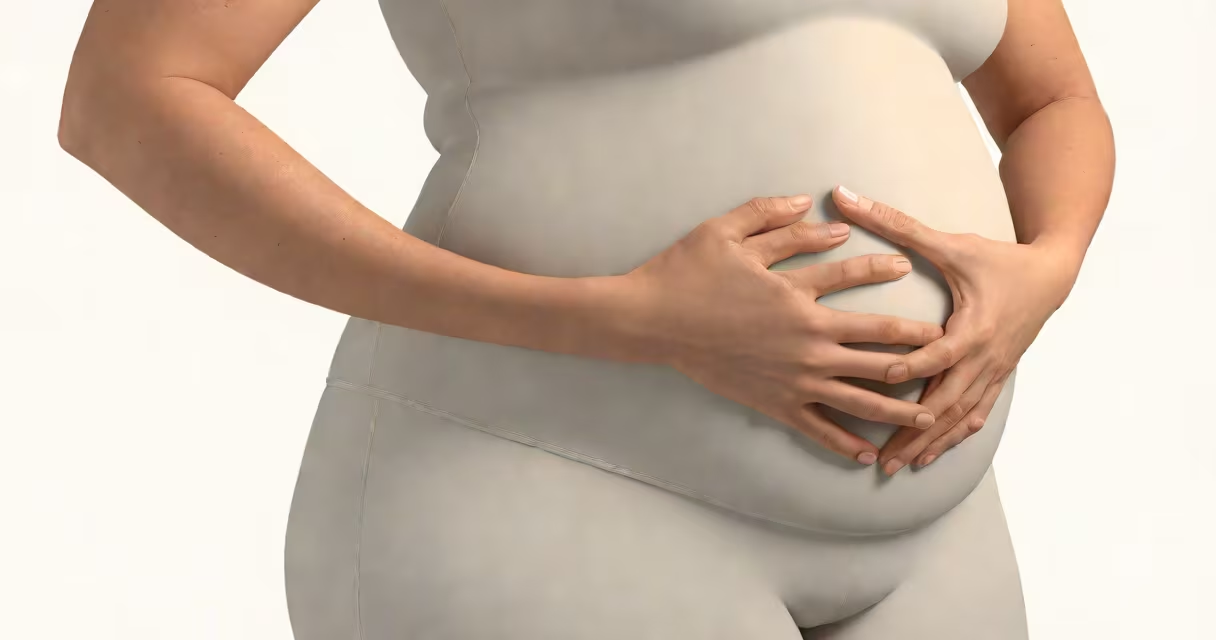
Yes, gas can hurt your stomach because trapped air or intestinal gas builds pressure in the digestive tract, stretching the walls of the intestines and triggering pain signals. This occurs when gas accumulates faster than it can be released through burping or flatulence.
Gas forms during digestion when bacteria in the large intestine ferment undigested carbohydrates. It can also enter the gut from swallowing air while eating or drinking. The sensation of pain arises not from the gas itself, but from the physical distension it causes. Pressure on nerve endings in the intestinal lining activates pain pathways, leading to cramping, bloating, or sharp twinges.
According to the American College of Gastroenterology, gas-related discomfort affects up to 20% of adults at some point, often linked to diet, irritable bowel syndrome (IBS), or food intolerances. Most episodes resolve within hours without treatment, but persistent or severe pain may indicate an underlying condition.
The gastrointestinal tract is lined with stretch-sensitive nerves. When gas accumulates in the small or large intestine, it expands the intestinal wall. This mechanical stretch stimulates nociceptors-pain-sensing nerves-that send signals to the brain. The result is perceived as cramping, spasms, or localized pain.
Pain location varies based on gas origin. Gas in the upper GI tract (stomach, duodenum) typically causes upper abdominal tightness or belching. Gas in the lower tract (colon) leads to lower abdominal cramps, bloating, and increased flatulence. The intensity depends on volume, speed of buildup, and individual sensitivity.
A 2021 study published in Gut found that people with IBS have heightened visceral sensitivity, meaning they feel pain from smaller amounts of gas than others. This explains why some individuals report severe pain with minimal gas, while others pass gas frequently without discomfort.
Not all gas is created equal. The composition and origin determine whether it contributes to pain. Common sources include:
| Source | Primary Gas | Typical Triggers | Pain Association |
|---|---|---|---|
| Swallowed air | Nitrogen, oxygen | Eating quickly, chewing gum, drinking carbonated beverages | Upper abdominal bloating, belching |
| Bacterial fermentation | Hydrogen, methane, carbon dioxide | Undigested carbs: beans, onions, wheat, dairy | Lower abdominal cramping, bloating, flatulence |
| Metabolic byproducts | Carbon dioxide | Normal cellular respiration | Minimal; usually expelled via breathing |
For example, consuming a single serving of black beans (about ½ cup cooked) can produce up to 1.5 liters of gas in the colon over 6 hours. This volume increases intraluminal pressure, especially in individuals with slow colonic transit.
One non-obvious fact: methane-producing bacteria are linked to constipation-predominant IBS. A 2019 study in Alimentary Pharmacology & Therapeutics showed that patients with high methane levels in breath tests were twice as likely to report chronic bloating and delayed bowel movements compared to those with low methane.
Mild gas pain after meals is normal. However, persistent or worsening pain may indicate conditions such as lactose intolerance, fructose malabsorption, celiac disease, or small intestinal bacterial overgrowth (SIBO).
Red flags include pain that wakes you at night, pain lasting more than 24 hours, blood in stool, unexplained weight loss, or fever. These warrant medical evaluation. For instance, a patient with SIBO may pass excessive gas and experience diarrhea, bloating, and fatigue due to bacterial overgrowth in the small intestine.
I once observed a case where a 38-year-old woman reported daily cramping after eating. She had no history of digestive issues. After eliminating dairy and legumes, her symptoms improved. A hydrogen breath test confirmed lactose intolerance-a common but underdiagnosed cause of gas pain.
Gas pain is often confused with appendicitis, gallstones, or diverticulitis. Key differences lie in timing, location, and associated symptoms.
Appendicitis pain starts near the navel and migrates to the lower right abdomen. It worsens with movement and is often accompanied by fever and nausea. Gas pain rarely shifts location or causes systemic symptoms.
Gallstone pain occurs after fatty meals, typically in the upper right quadrant, and may radiate to the back. It's sharp and constant, unlike the intermittent cramping of gas. Gas pain tends to come and go with flatulence or burping.
Diverticulitis involves left-sided lower abdominal pain, fever, and changes in bowel habits. Gas pain lacks fever and doesn't follow a consistent pattern tied to bowel movements.
Simple dietary adjustments reduce gas formation. Avoiding high-FODMAP foods-fermentable oligosaccharides, disaccharides, monosaccharides, and polyols-can cut gas production by up to 70%, according to research from Monash University.
Examples of high-FODMAP foods include garlic, onions, wheat, apples, and milk. Replacing them with low-FODMAP alternatives like lactose-free milk, carrots, and rice reduces gas volume. A 2020 randomized trial found that 68% of IBS patients on a low-FODMAP diet reported reduced abdominal pain within four weeks.
Over-the-counter enzymes like lactase supplements can prevent gas from dairy. Simethicone reduces bubble surface tension, helping gas clump and pass more easily. These work best when taken with meals.
Severe or recurrent gas pain warrants attention. Extreme stomach gas-characterized by persistent bloating, loud flatulence, and daily discomfort-may stem from conditions like SIBO, IBS, or intestinal obstruction.
For example, a 52-year-old man with extreme stomach gas was diagnosed with a partial small bowel obstruction after CT scan revealed a mass. His symptoms included frequent gurgling, inability to pass gas, and progressive abdominal swelling. Early diagnosis prevented surgery.
Chronic gas pain is not normal. While occasional bloating is common, ongoing distress disrupts quality of life. Addressing triggers early prevents complications and improves well-being.