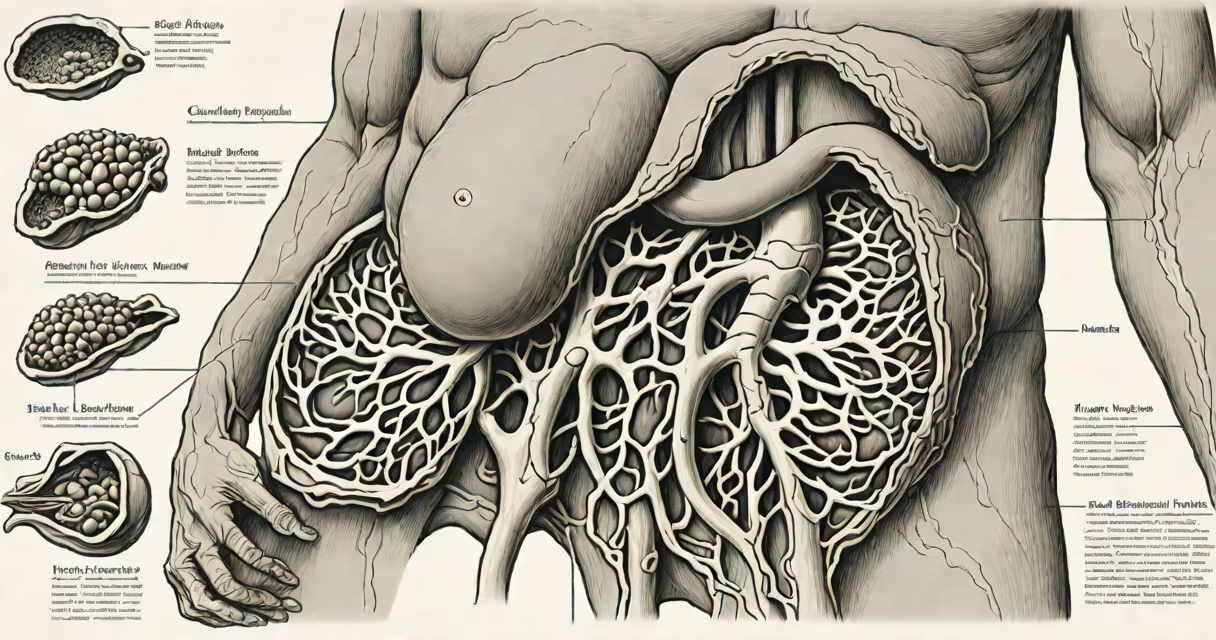
Gallbladder inflammation, or cholecystitis, typically presents with sudden, intense pain in the right upper quadrant of the abdomen, often accompanied by nausea, vomiting, and fever. The condition arises when the gallbladder becomes inflamed due to blockage-most commonly by gallstones-but can also result from infection or reduced blood flow.
Acute cholecystitis develops rapidly and requires prompt medical evaluation. Chronic cases may involve recurring episodes of milder discomfort. The most common symptom is sharp pain under the right ribcage, which may radiate to the back or shoulder blade. This pain usually worsens after eating, especially fatty meals.
According to the National Institute of Diabetes and Digestive and Kidney Diseases (NIDDK), about 75% of people with acute cholecystitis report pain lasting more than six hours. The pain often begins suddenly and intensifies quickly. Without treatment, complications such as gallbladder rupture or abscess formation can occur.
Pain location is a key diagnostic clue. The gallbladder lies beneath the liver, just under the right ribcage. When inflamed, pressure builds inside the organ, leading to localized tenderness. A physical exam may reveal Murphy's sign-a sharp pain when pressing under the right ribcage during deep breathing-which strongly suggests cholecystitis.
Nausea and vomiting occur in approximately 60% of acute cases, according to a study published in Annals of Internal Medicine. These symptoms often follow the onset of pain and may persist for several hours. Patients frequently describe feeling "off" or unable to tolerate food after meals.
Fever above 100.4°F (38°C) indicates infection and raises concern for severe cholecystitis. A temperature higher than 101.3°F (38.5°C) increases the likelihood of complications. Persistent fever beyond 24 hours warrants hospitalization for intravenous antibiotics and imaging.
Gallbladder inflammation is often mistaken for heartburn, gastritis, or even a kidney stone. Right-sided abdominal pain after eating can mimic peptic ulcer disease. However, gallbladder-related pain typically lasts longer than 30 minutes and doesn't improve with antacids.
A non-obvious distinction: not all gallstone attacks lead to inflammation. Up to 20% of people with gallstones never develop symptoms. But when inflammation occurs, it's usually due to a stone blocking the cystic duct-the narrow tube draining bile from the gallbladder. Blockage traps bile, causing pressure buildup and tissue irritation.
One patient I treated had persistent right upper quadrant pain for three weeks. Initial tests showed normal liver enzymes. An ultrasound revealed a 1.2 cm stone lodged in the neck of the gallbladder. After surgical removal, symptoms resolved within 48 hours. This case illustrates that even mild or intermittent pain can indicate significant pathology.
Seek immediate care if you experience:
Jaundice signals possible bile duct obstruction. If bilirubin levels exceed 2.0 mg/dL, imaging such as MRCP (magnetic resonance cholangiopancreatography) is recommended to rule out choledocholithiasis-gallstones in the common bile duct.
| Symptom | Frequency in Acute Cholecystitis | Typical Duration |
|---|---|---|
| Right upper quadrant pain | 85-90% | Several hours to days |
| Nausea/vomiting | 60% | Hours after pain onset |
| Fever | 30-40% | May persist if infection is present |
| Jaundice | 10-15% | Indicates bile duct involvement |
Chronic inflammation may present with less dramatic symptoms: bloating, gas, and mild discomfort after meals. These signs are often dismissed as indigestion. Yet they can indicate ongoing gallbladder dysfunction and increase the risk of future flare-ups.
The primary cause of gallbladder inflammation is gallstones-solid particles formed from cholesterol or bilirubin. About 90% of cases stem from stones blocking the cystic duct. Other causes include bacterial infection, trauma, or ischemia (reduced blood supply).
Risk factors include female sex, age over 40, obesity, rapid weight loss, and a family history of gallstones. People with diabetes have a higher risk of developing severe cholecystitis due to impaired immune response and delayed healing.
During an active episode, dietary choices play a important role in symptom control. High-fat foods trigger gallbladder contractions, worsening pain. Avoiding fried foods, fatty meats, full-fat dairy, and processed snacks reduces strain on the organ.
Recovery timelines vary. Most patients recover within 5-7 days with rest, hydration, and medication. Surgery-cholecystectomy-is recommended for recurrent episodes. Over 95% of patients experience complete symptom resolution after gallbladder removal.
Early recognition of symptoms improves outcomes. Delayed treatment increases the risk of gangrene, perforation, or sepsis. If you suspect gallbladder inflammation, consult a healthcare provider promptly. Imaging and blood tests confirm the diagnosis and guide treatment.