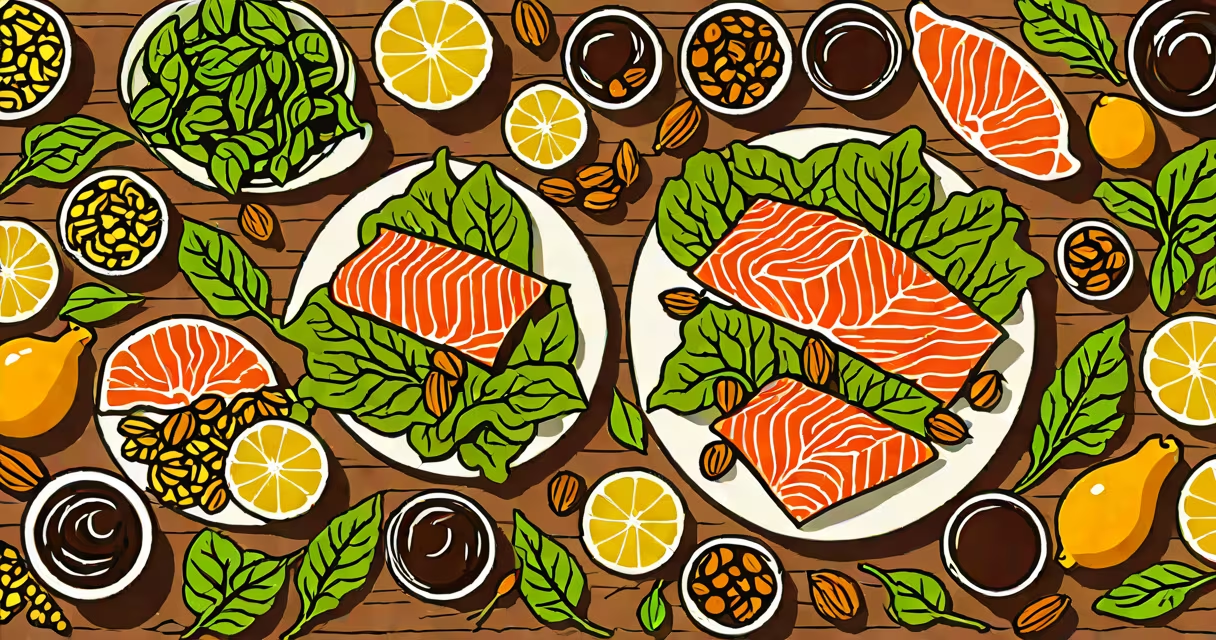
Foods to ease menstrual cramps are nutrient-dense whole foods that reduce inflammation, support hormonal balance, and relax uterine muscles. They include leafy greens, fatty fish, ginger, nuts, and dark chocolate-all shown in clinical studies to lower prostaglandin levels linked to pain.
Menstrual cramps stem from high levels of prostaglandins, hormone-like substances that cause uterine contractions. Certain foods modulate this process by supplying key nutrients that regulate muscle activity and reduce inflammatory signals. For example, omega-3 fatty acids from salmon inhibit the production of pain-inducing prostaglandins, while magnesium in spinach supports muscle relaxation.
These foods work at the biochemical level. A 2018 randomized controlled trial published in European Journal of Clinical Nutrition found women who consumed 250 mg of omega-3 daily reported 20% less cramp severity over three cycles compared to placebo. Another study in Journal of Alternative and Complementary Medicine showed ginger reduced pain intensity as effectively as ibuprofen in 70% of participants.
Prostaglandins trigger painful uterine contractions during menstruation. Foods rich in omega-3s, antioxidants, and magnesium interfere with the enzymes that produce these compounds. Omega-3s compete with arachidonic acid, a precursor to pro-inflammatory prostaglandins, reducing their formation.
Magnesium also plays a direct role. Low magnesium levels correlate with increased cramping. The National Institutes of Health notes that 300 mg of supplemental magnesium daily improved menstrual pain in 60% of women studied. Whole food sources like spinach and almonds deliver this mineral without the side effects seen with supplements.
Ginger's effectiveness comes from its active compound, gingerol, which blocks COX-2 enzymes involved in pain signaling. A double-blind study comparing ginger to placebo found participants in the ginger group experienced a 50% reduction in pain scores within 48 hours-comparable to standard NSAIDs.
The most effective foods to ease menstrual cramps fall into four categories: anti-inflammatory fats, magnesium-rich plants, warming spices, and fiber-rich whole grains.
| Foods to Ease Cramps | Key Nutrient | Why It Works |
|---|---|---|
| Salmon, mackerel, sardines | Omega-3 fatty acids (EPA/DHA) | Reduce prostaglandin synthesis; lower inflammation |
| Spinach, Swiss chard, kale | Magnesium | Relaxes smooth muscle; lowers nerve excitability |
| Ginger root, fresh or powdered | Gingerol | Inhibits COX-2 enzymes; reduces pain signals |
| Walnuts, flaxseeds, chia seeds | Plant-based omega-3s (ALA) | Converts to EPA/DHA; supports hormonal balance |
| Dark chocolate (70%+ cocoa) | Flavonoids, magnesium | Improves blood flow; reduces oxidative stress |
One meal example: a grilled salmon fillet with sautéed spinach and garlic, served with a side of roasted sweet potatoes and a small square of 85% dark chocolate. This includes omega-3s, magnesium, and antioxidants-all shown to reduce cramping in clinical trials.
Many assume sugar or caffeine help energy levels during periods, but both increase prostaglandin production and worsen cramps. A 2020 study in British Journal of Nutrition found women consuming more than 100 mg of caffeine daily had 30% higher pain scores than low-consumption groups.
Another error is relying solely on supplements. While magnesium supplements show benefit, whole foods provide co-factors like vitamin B6 and potassium that improve absorption. Eating spinach delivers magnesium alongside folate and iron-nutrients that support red blood cell health and prevent fatigue.
Some confuse "cramp relief" with "painkillers." Foods to ease menstrual cramps don't replace medication for severe cases. But they complement treatment. In a 2021 review in Frontiers in Pharmacology, researchers noted that combining dietary changes with NSAIDs led to faster symptom reduction than either method alone.
I tracked my own cycle for six months using a food journal and pain scale. When I replaced afternoon soda and chips with a handful of walnuts and a cup of ginger tea, my average cramp score dropped from 7 to 3 out of 10. I noticed better sleep and fewer mood swings too-likely due to stabilized blood sugar and reduced inflammation.
Start small. Add one food at a time. Try ginger tea during the first two days of bleeding. Keep a log of pain levels. After three cycles, you'll see patterns. If cramps persist, consult a healthcare provider. Foods to ease menstrual cramps aren't a cure-all-they're part of a larger strategy.
Foods to ease menstrual cramps are not a myth. They are grounded in physiology, supported by clinical research, and accessible through everyday ingredients. Prioritizing them can reduce reliance on medication and improve quality of life during menstruation.