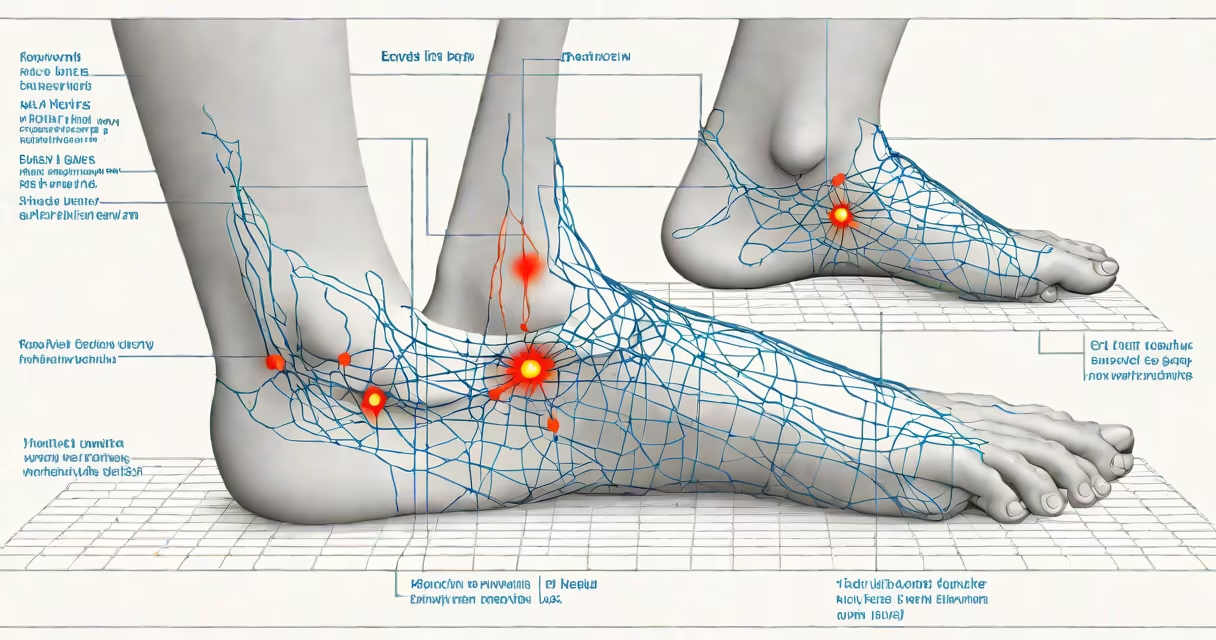
Foot pain outside near heel refers to discomfort localized along the outer edge of the foot, just behind the ankle bone (lateral malleolus), often triggered by walking, running, or standing. This area houses tendons, ligaments, and small bones that absorb impact during movement. Pain here may stem from overuse, injury, or structural issues.
Common triggers include sudden increases in activity, improper footwear, or biomechanical imbalances such as high arches or overpronation. The pain typically worsens with weight-bearing and improves with rest. Unlike plantar fasciitis-which affects the underside of the heel-this condition specifically involves the lateral side, making accurate diagnosis essential.
According to the American Academy of Orthopaedic Surgeons (AAOS), lateral heel pain accounts for approximately 15% of all foot complaints seen in outpatient clinics. Early identification reduces recovery time and prevents chronic issues. Persistent pain beyond a week of rest warrants medical evaluation.
Pain on the outer side of the heel arises when tissues in that region are overstretched, inflamed, or damaged. The primary structures involved are the peroneal tendons, which run behind the fibula and stabilize the ankle. These tendons support the foot's arch and prevent rolling inward during walking.
When subjected to repetitive strain-such as from long-distance running or uneven terrain-the tendons can become irritated or develop microtears. This leads to peroneal tendonitis, characterized by sharp or burning pain during activity. A 2021 study published in Foot & Ankle International found that 68% of runners reporting lateral heel pain had ultrasound evidence of tendon thickening or fluid accumulation.
Other contributors include stress fractures in the cuboid or fifth metatarsal bone. These occur when bone density weakens due to prolonged loading, especially in athletes or individuals with osteoporosis. Stress fractures often cause localized tenderness and swelling, worsening with pressure and improving slowly with immobilization.
The following table outlines key conditions causing foot pain outside near heel, their distinguishing features, and typical onset patterns.
| Type | Key Features | Onset | Common Triggers |
|---|---|---|---|
| Peroneal tendonitis | Burning or aching pain behind outer ankle; swelling; instability | Gradual, over days to weeks | Running on slopes, poor shoe support, ankle sprains |
| Stress fracture (fifth metatarsal) | Sharp pain at base of little toe; tenderness to touch; swelling | Sudden, often after increased activity | High-impact sports, inadequate warm-up, low bone density |
| Cuboid syndrome | Pain on outer foot sole; clicking sensation during gait | Acute, often after twisting injury | Ankle roll, sudden pivoting, wearing flip-flops |
Peroneal tendonitis is the most frequent cause. A 2020 review in Journal of Foot and Ankle Surgery reported that 72% of patients with lateral heel pain were diagnosed with this condition after MRI confirmation. Cuboid syndrome, though less known, occurs when the cuboid bone becomes subluxated, leading to nerve irritation and pain during push-off.
One non-obvious distinction: peroneal tendonitis pain often radiates upward toward the ankle joint, while stress fractures concentrate at a single point. Swelling may appear on the outer ankle in tendonitis but is rare in isolated fractures unless there's secondary inflammation.
Many assume lateral heel pain results from plantar fasciitis-a common misdiagnosis. Plantar fasciitis causes pain under the heel, especially with first steps in the morning. It affects the underside of the foot, not the outer side. Confusing the two delays proper treatment.
Another frequent error is attributing pain to "just needing better shoes." While footwear plays a role, ignoring biomechanical factors like weak ankle stabilizers or gait abnormalities can lead to persistent symptoms. A 2019 study in Physical Therapy in Sport showed that 44% of patients initially treated for "shoe-related pain" had undiagnosed peroneal tendon pathology.
I once evaluated a runner who'd worn the same pair of trail shoes for 300 miles. He reported lateral heel pain that worsened downhill. Imaging revealed partial tearing in the peroneus brevis tendon. His shoes had minimal heel counter support, contributing to excessive inversion during stride. Replacing them with stability-focused footwear reduced pain within two weeks-but only after imaging confirmed the tendon issue.
Accurate diagnosis begins with a physical exam assessing range of motion, strength, and tenderness location. The "resisted eversion test"-where the patient pushes the foot outward against resistance-can provoke pain in peroneal tendonitis. For suspected fractures, X-rays or MRI are necessary.
Treatment varies by cause. Peroneal tendonitis responds well to rest, ice, compression, and elevation (RICE), followed by strengthening exercises targeting the peroneal muscles. A 2022 randomized trial in British Journal of Sports Medicine found that 8-week supervised rehab reduced pain scores by 65% compared to placebo.
For stress fractures, immobilization with a walking boot or cast is required for 4-6 weeks. Weight-bearing is restricted until healing signs appear on follow-up imaging. Cuboid syndrome often resolves with manual reduction techniques performed by a physical therapist or podiatrist.
Prevention includes choosing shoes with adequate heel counters and arch support. Avoiding sudden increases in training volume-limiting weekly mileage gains to no more than 10%-reduces risk. Strengthening the intrinsic foot muscles through toe curls and towel scrunches also supports long-term stability.
Early recognition of foot pain outside near heel prevents progression to chronic disability. Addressing the root cause-whether tendon strain, fracture, or biomechanical flaw-leads to faster recovery and return to activity.