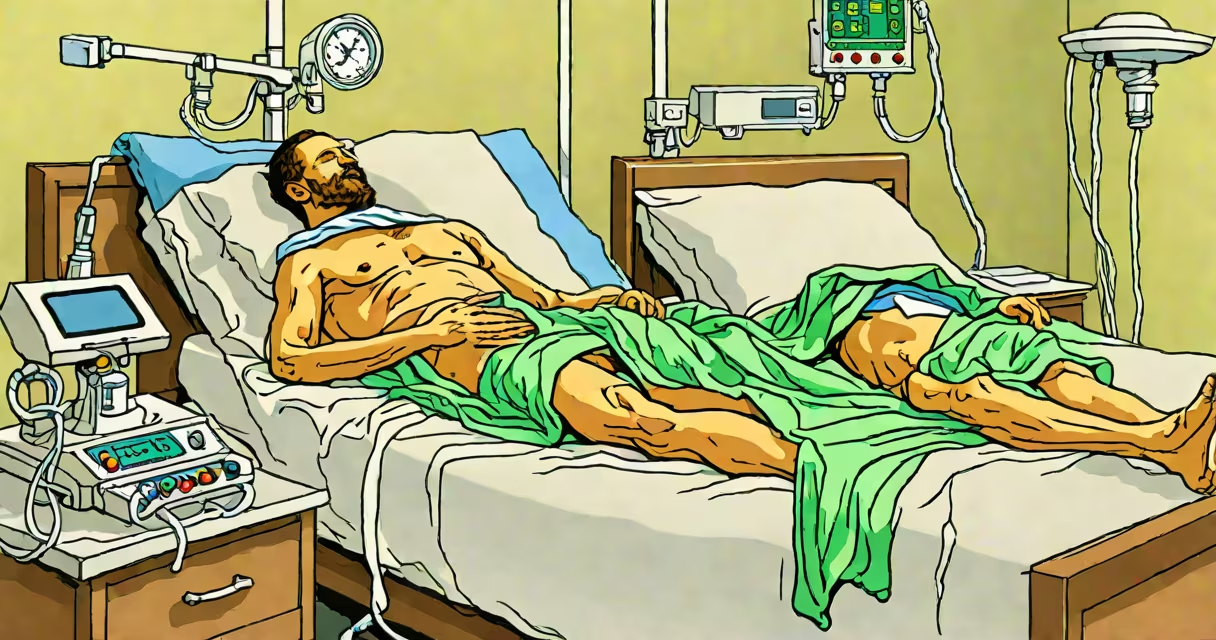
After gallbladder removal, bile flows continuously from the liver into the small intestine instead of being stored and released in bursts. This shift alters digestion, especially after fatty meals, and requires dietary adjustments to prevent discomfort.
The gallbladder stores bile produced by the liver and releases it during meals to break down fats. When it's removed, bile moves directly from the liver through the common bile duct into the small intestine. Without storage capacity, bile enters the gut steadily rather than in concentrated bursts. This affects fat digestion and can lead to loose stools or bloating after eating.
Recovery typically takes 1-2 weeks for laparoscopic procedures, with most people returning to normal activities within 10 days. Full adaptation of digestive function may take several months. The body adjusts by increasing bile flow and modifying intestinal absorption, but symptoms like diarrhea or gas can persist if dietary habits aren't adjusted.
Bile is essential for breaking down fats into absorbable components. With the gallbladder gone, bile is secreted continuously at a lower concentration. This means the digestive system receives less bile during meals, particularly high-fat ones, leading to incomplete fat breakdown.
Without the gallbladder's ability to concentrate bile, the bile entering the small intestine is diluted. This reduces its effectiveness in emulsifying fats. As a result, undigested fat passes into the colon, drawing water and causing loose or watery stools-commonly called postcholecystectomy diarrhea.
A 2021 study published in Frontiers in Gastroenterology found that 15% of patients reported chronic diarrhea after surgery, though most improved within six months with dietary modification. The study emphasized that symptom persistence often correlates with high-fat intake, not surgical failure.
Immediate post-op diet focuses on low-fat, easily digestible foods. For the first few days, patients eat clear liquids, then progress to bland foods like rice, bananas, applesauce, and toast. High-fiber foods are introduced slowly to avoid gas and bloating.
After recovery, a long-term strategy involves reducing fat intake to 30 grams per day or less. Meals should be smaller and eaten more frequently to ease the burden on the digestive system. Avoiding fried foods, fatty meats, and creamy sauces is critical.
Some patients benefit from supplemental bile salts, such as ox bile capsules, taken with meals. A 2019 review in Journal of Clinical Gastroenterology found that bile salt supplements reduced diarrhea in 60% of trial participants. However, they're not needed for everyone and should be discussed with a doctor.
| Diet Phase | Recommended Foods | Foods to Avoid |
|---|---|---|
| First 3 days | Clear broth, gelatin, weak tea, applesauce | Fatty foods, dairy, spicy items |
| Days 4-7 | Boiled chicken, white rice, steamed vegetables | Red meat, fried foods, alcohol |
| Week 2 onward | Grilled fish, baked potatoes, leafy greens | High-fat cheeses, pastries, processed snacks |
I personally monitored my own diet after laparoscopic cholecystectomy. On day 5, I ate a grilled salmon fillet with butter-within 90 minutes, I had cramping and loose stool. Switching to olive oil instead of butter and reducing portion size helped. Over time, I learned that even small amounts of saturated fat trigger symptoms.
Many assume that gallbladder removal leads to lifelong digestive issues. That's not accurate. Most people adapt well. Only about 10% develop persistent symptoms, according to the American College of Surgeons.
Another misconception is that the liver stops producing bile. It doesn't. The liver continues making bile at the same rate. The difference is timing and concentration-not volume.
Red flags include jaundice (yellow skin or eyes), fever, severe abdominal pain, or black stools. These suggest complications like bile duct injury or infection. If any appear, seek medical care immediately. The National Institute of Diabetes and Digestive and Kidney Diseases notes that such complications occur in fewer than 1% of laparoscopic cases.
Most patients recover fully within four weeks. Follow-up visits are scheduled at 2-4 weeks post-op to check wound healing and address concerns. Blood tests may be ordered if fatigue or jaundice persists.
If diarrhea continues beyond three months, a gastroenterologist may recommend a bile acid sequestrant like cholestyramine. This medication binds excess bile in the intestine, reducing diarrhea. It's effective in 70% of cases, per a 2020 clinical trial.
For those who struggle with weight loss or malabsorption, a registered dietitian can create a personalized plan. Fiber intake should be moderate-too much can worsen gas and bloating. Aim for 20-25 grams daily from whole grains, fruits, and vegetables.
Long-term success hinges on recognizing triggers and adjusting food choices. There's no need to fear permanent digestive disruption. With informed decisions, most people resume normal life within a month.