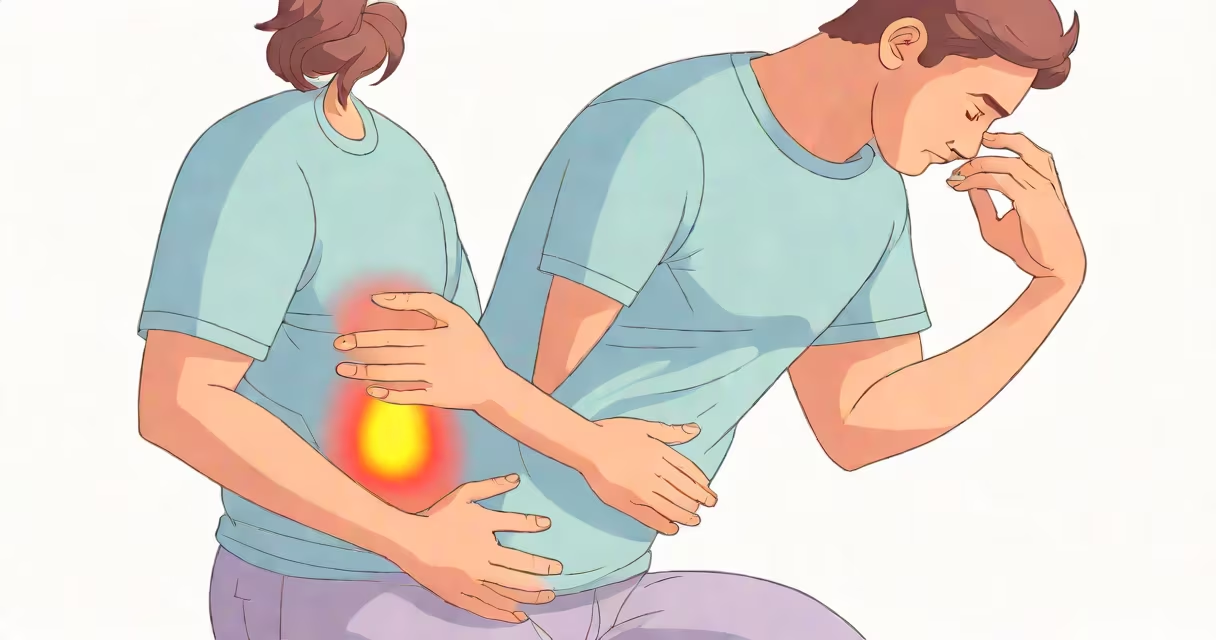
Gas and pancreatitis are distinct medical conditions that can cause similar upper abdominal pain, but they differ fundamentally in origin, severity, and treatment. Gas results from swallowed air or bacterial fermentation in the intestines, while pancreatitis involves inflammation of the pancreas due to enzyme activation within the organ itself.
Gas-related discomfort typically arises from bloating, belching, or flatulence. It often resolves within hours and responds to dietary changes or over-the-counter remedies. Pancreatitis, however, is a serious condition involving the pancreas releasing digestive enzymes prematurely, leading to tissue damage. Acute cases can develop rapidly and require hospitalization; chronic forms persist over months or years.
Both conditions may present with epigastric pain-centered in the upper middle abdomen-but their underlying mechanisms and outcomes are worlds apart. Misdiagnosing pancreatitis as gas delays critical care and increases risk of complications such as pseudocysts, infections, or multi-organ failure.
Gas forms when air enters the gastrointestinal tract during eating or drinking, or when gut bacteria ferment undigested carbohydrates. Common triggers include carbonated drinks, chewing gum, beans, cruciferous vegetables, and lactose intolerance. The buildup leads to bloating and cramping, usually relieved by passing gas or a bowel movement.
Pancreatitis occurs when pancreatic enzymes-normally inactive until released into the small intestine-become activated inside the pancreas. This causes autodigestion of pancreatic tissue. The most common causes are gallstones obstructing the bile duct (accounting for ~40% of cases) and alcohol abuse (responsible for ~30%). Other contributors include high triglycerides, certain medications, trauma, and genetic mutations.
A key distinction lies in the location and nature of pain. Gas pain tends to shift around the abdomen, often worsening after meals and improving with movement or passing gas. Pancreatic pain is typically constant, severe, and localized in the upper abdomen, sometimes radiating to the back. It often worsens after eating and may persist for days.
There are two primary forms of pancreatitis: acute and chronic. Acute pancreatitis develops suddenly, often over hours or days, and is diagnosed through elevated blood levels of amylase and lipase-enzymes produced by the pancreas. Levels above three times the upper limit of normal strongly suggest pancreatitis.
Chronic pancreatitis results from long-term inflammation, leading to irreversible scarring and loss of function. Patients often report persistent abdominal pain, weight loss, fatty stools (steatorrhea), and diabetes due to impaired insulin production. Imaging shows calcifications in the pancreas, visible on CT scans or MRCP (magnetic resonance cholangiopancreatography).
| Feature | Gas-Related Discomfort | Pancreatitis |
|---|---|---|
| Onset | Sudden, often after eating | Acute: rapid onset; Chronic: gradual |
| Pain Location | Variable, diffuse, lower abdomen common | Epigastric, often radiates to back |
| Pain Quality | Bloating, cramping, gurgling | Constant, severe, dull ache |
| Triggers | Foods, swallowing air, stress | Gallstones, alcohol, high triglycerides |
| Lab Findings | Normal amylase/lipase | Amplified amylase and lipase (>3× ULN) |
One non-obvious fact: patients with chronic pancreatitis often have normal or only mildly elevated lipase levels during flare-ups. This can lead to false-negative results if testing is done too early. According to the American Gastroenterological Association, lipase remains the preferred test for diagnosing acute pancreatitis due to its higher sensitivity and longer window of detection compared to amylase.
Gas and pancreatitis share overlapping symptoms-abdominal distension, nausea, bloating-but misinterpreting pancreatitis as gas is dangerous. A patient with acute pancreatitis may initially feel mild discomfort mistaken for gas, delaying medical evaluation. By the time severe pain develops, complications may already be underway.
For example, a 52-year-old man with a history of heavy alcohol use presented with upper abdominal pain and bloating. He assumed it was gas and took simethicone. His symptoms worsened over 12 hours. Blood tests revealed lipase at 1,200 U/L (normal: 15-60 U/L), and a CT scan confirmed pancreatic edema and fluid collections. He required ICU admission, IV fluids, and pain management. Early recognition prevented progression to necrotizing pancreatitis.
Another common error is attributing postprandial pain to gas when it's actually a sign of chronic pancreatitis. Persistent pain after eating, especially with weight loss or oily stools, should prompt referral to a gastroenterologist. The Journal of Clinical Gastroenterology reports that up to 25% of chronic pancreatitis cases are initially misdiagnosed as functional gastrointestinal disorders due to symptom overlap.
Accurate diagnosis relies on clinical context, lab work, and imaging. For suspected pancreatitis, serum lipase is measured. If elevated, a contrast-enhanced CT scan or MRCP assesses pancreatic swelling, necrosis, or ductal abnormalities. Ultrasound may detect gallstones as the underlying cause.
True pancreatitis requires hospitalization in moderate-to-severe cases. Treatment includes IV hydration, pain control, fasting to rest the pancreas, and addressing the root cause-such as removing gallstones via ERCP or treating hypertriglyceridemia with insulin and lipid-lowering drugs. Alcohol cessation is essential for recovery and prevention.
During a clinic visit, I observed a patient with recurrent upper abdominal pain who had been self-treating with antacids and gas relief tablets. After a single blood draw showed lipase at 800 U/L, we ordered a CT scan revealing pancreatic enlargement and peripancreatic fluid. He was admitted and later diagnosed with alcoholic pancreatitis. Early intervention prevented further deterioration.
Gas and pancreatitis are not interchangeable. While both involve abdominal discomfort, pancreatitis is a systemic inflammatory process requiring urgent medical attention. Gas is benign and self-limiting in most cases. When pain persists beyond 24 hours, worsens with meals, or is accompanied by fever, vomiting, or jaundice, seek immediate care.
Understanding the difference protects health. Gas and pancreatitis may share a region of the body, but their origins, consequences, and treatments are entirely different.