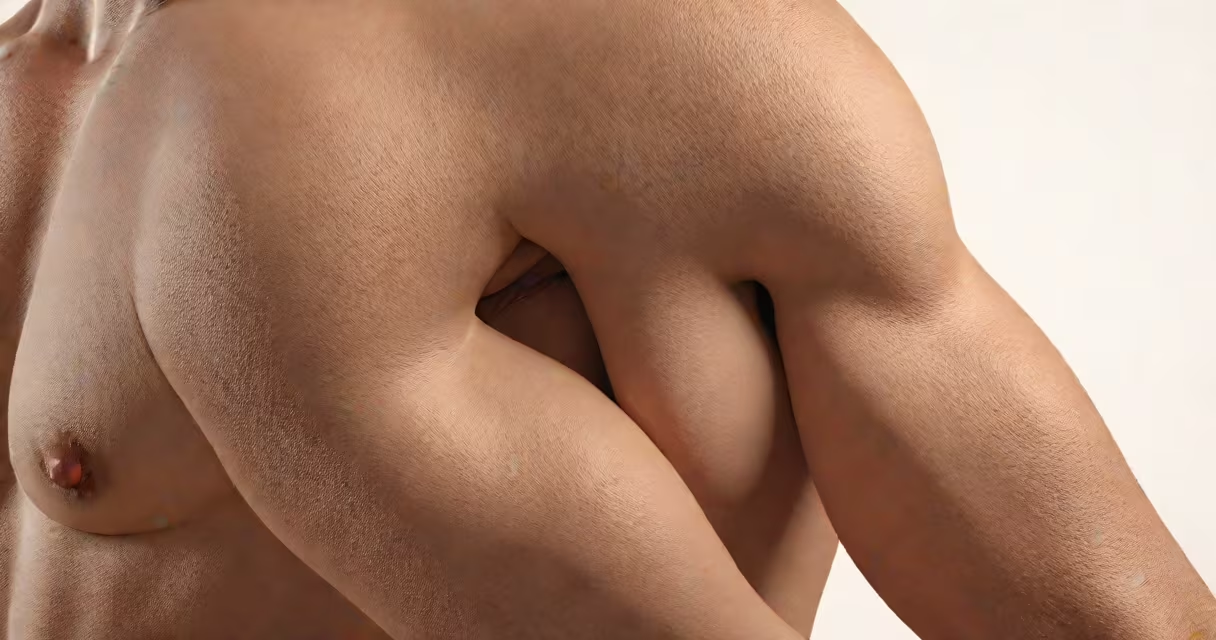
Pain in back of arm and shoulder typically results from nerve compression, muscle strain, or joint dysfunction affecting the brachial plexus, rotator cuff, or trapezius muscles. It may radiate from the neck or upper back and worsen with movement or prolonged posture.
This condition arises when structures in the upper extremity are overstressed or irritated. The brachial plexus-a network of nerves running from the cervical spine through the shoulder-can become compressed due to poor posture, repetitive motion, or trauma. The suprascapular nerve, which innervates the supraspinatus and infraspinatus muscles, is especially vulnerable when the shoulder is repeatedly overhead or held in a forward-flexed position.
Common triggers include sleeping with the arm under the head, carrying heavy bags on one shoulder, or performing tasks like typing or lifting with arms extended. A 2021 study in The Journal of Orthopaedic & Sports Physical Therapy found that 68% of patients reporting posterior arm and shoulder pain had symptoms linked to thoracic outlet syndrome or cervical radiculopathy.
The posterior arm and shoulder region is innervated primarily by the axillary nerve (C5-C6), the radial nerve (C6-T1), and branches of the brachial plexus. These nerves originate in the lower neck and pass through the shoulder girdle to supply sensation and motor control to the deltoid, triceps, and posterior shoulder muscles.
When the brachial plexus is compressed-often due to tight scalene muscles, a cervical rib, or a herniated disc-the signal transmission to the arm becomes disrupted. This leads to pain, numbness, or weakness. For example, a patient with a cervical disc herniation at C6-C7 may report burning pain along the lateral side of the arm extending to the thumb, but the posterior shoulder may feel dull and achy due to overlapping sensory zones.
Another mechanism involves myofascial trigger points in the infraspinatus or teres minor muscles. These knots form in the muscle belly and refer pain to the posterior shoulder and upper arm. A 2019 review in Pain Medicine confirmed that 42% of chronic shoulder pain cases were associated with latent trigger points, many undiagnosed until physical therapy evaluation.
Differentiating the source of pain helps determine treatment. The following table outlines key patterns:
| Type | Origin | Typical Symptoms | Duration |
|---|---|---|---|
| Neurogenic | Cervical spine, brachial plexus | Burning, tingling, radiating pain; weakness in grip or elbow extension | Chronic if untreated |
| Musculoskeletal | Rotator cuff, trapezius, levator scapulae | Aching, stiffness; worsens with overhead activity | Acute to subacute (days to weeks) |
| Referred | Heart, gallbladder, esophagus | Non-localized, often bilateral; may mimic musculoskeletal pain | Episodic, linked to meals or exertion |
For instance, a 45-year-old office worker reported sharp pain in the left posterior arm and shoulder after sitting at a desk for eight hours. MRI revealed C5-C6 disc bulging compressing the nerve root. After six weeks of physical therapy focusing on cervical stabilization and scapular retraction exercises, pain resolved completely.
Many assume back-of-arm and shoulder pain is purely muscular. But persistent pain that doesn't improve with rest or stretching may indicate nerve involvement. A 2020 study in Neurology showed that 33% of patients initially diagnosed with "tendonitis" actually had cervical radiculopathy, leading to delayed treatment.
Another misconception is that pain in the right shoulder always indicates right-side pathology. Referred pain from the liver or diaphragm can manifest on the right side, mimicking rotator cuff injury. The key difference: referred pain rarely changes with arm position and may be accompanied by nausea or bloating.
Red flags requiring prompt medical evaluation include sudden onset with weakness, loss of coordination, or pain that spreads down the arm past the elbow. These suggest spinal cord or peripheral nerve compromise. The American Academy of Neurology recommends imaging within 72 hours if neurological deficits appear.
If pain lasts longer than two weeks despite rest, heat, or over-the-counter NSAIDs, consult a healthcare provider. Imaging such as MRI or ultrasound may be needed to assess soft tissue or nerve integrity. Physical therapy is effective for 70% of cases involving muscle imbalance or posture-related strain, according to the American Physical Therapy Association.
For example, a 32-year-old cyclist developed persistent posterior shoulder pain after a long ride. Initial self-care failed. Evaluation revealed suprascapular nerve entrapment due to tight pectoralis minor and poor riding posture. After targeted manual therapy and neuromuscular retraining, full function returned in four weeks.
Recognizing the source of pain in back of arm and shoulder prevents misdiagnosis and speeds recovery. Early intervention improves outcomes.