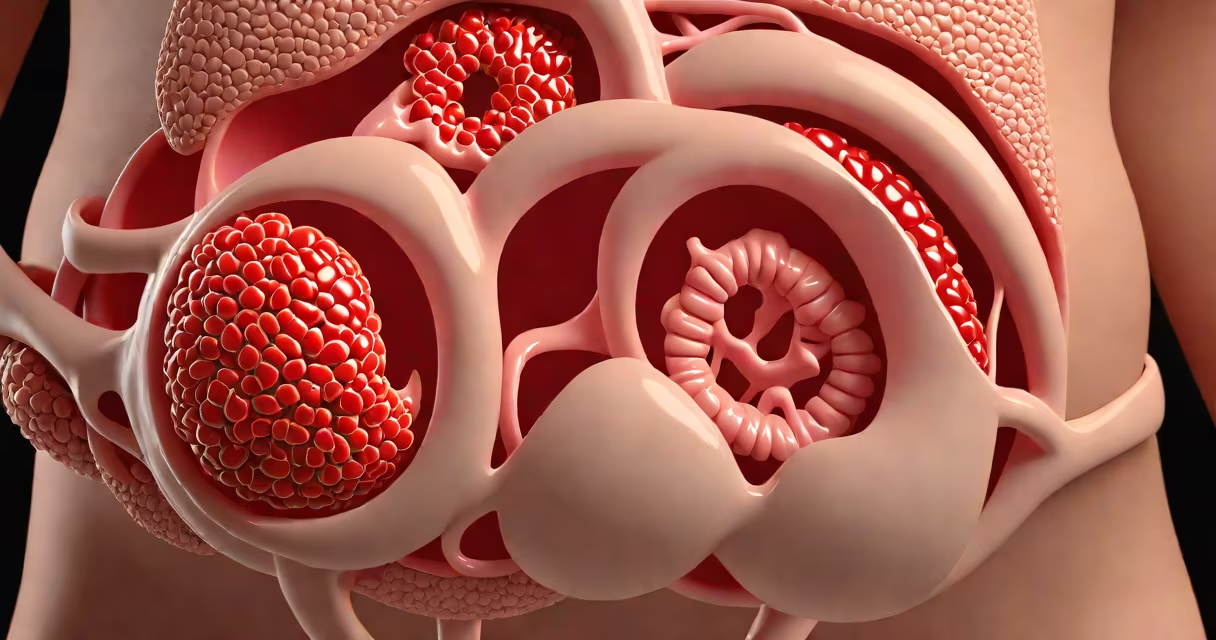
Bleeding ulcers are open sores in the stomach or duodenum that erode blood vessels, leading to internal hemorrhage. They develop when the protective mucous layer is compromised, allowing stomach acid to damage tissue. Common triggers include Helicobacter pylori infection and long-term use of NSAIDs like ibuprofen.
Ulcers form in the mucosal lining of the upper digestive tract. The stomach produces hydrochloric acid and pepsin to break down food, but a thick mucus barrier normally protects the underlying tissue. When this defense fails-due to infection, medications, or stress-the acid attacks the lining, creating a crater-like lesion. If the ulcer penetrates a blood vessel, it causes bleeding. Left untreated, this can lead to anemia, shock, or death.
According to the National Institute of Diabetes and Digestive and Kidney Diseases (NIDDK), about 10% of people with peptic ulcers experience bleeding. The American Gastroenterological Association reports that bleeding ulcers account for nearly 30% of upper GI hemorrhage cases requiring hospitalization.
Symptoms vary based on severity and location. Some ulcers cause no pain until they bleed. Others produce chronic discomfort before rupture. The most common signs include:
A 2021 study in Gastroenterology found that 62% of patients with bleeding ulcers reported epigastric pain lasting more than two weeks prior to diagnosis. Another 38% had no prior symptoms, underscoring the risk of silent progression.
Bleeding ulcers fall into two primary categories: gastric ulcers (in the stomach) and duodenal ulcers (in the first part of the small intestine). Duodenal ulcers are more common, making up about 70% of cases, according to the NIDDK.
| Type | Location | Primary Cause | Typical Symptoms |
|---|---|---|---|
| Gastric ulcer | Stomach lining | H. pylori (50%), NSAIDs (30%) | Pain after eating, nausea, early satiety |
| Duodenal ulcer | First segment of small intestine | H. pylori (60%), NSAIDs (25%) | Pain between meals, relieved by food |
Nonsteroidal anti-inflammatory drugs (NSAIDs) such as aspirin and naproxen inhibit prostaglandins, which maintain mucosal integrity. Long-term use reduces blood flow to the stomach lining and weakens defenses. A 2019 meta-analysis in The Lancet Gastroenterology & Hepatology showed that daily NSAID users have a 2.5-fold higher risk of developing a bleeding ulcer compared to non-users.
While stress alone doesn't cause ulcers, it can worsen existing ones by increasing acid production and reducing mucosal protection. Alcohol and smoking further impair healing and raise recurrence rates.
Endoscopy is the gold standard for diagnosing bleeding ulcers. A flexible tube with a camera is inserted through the mouth to visualize the stomach and duodenum. During the procedure, doctors can confirm active bleeding, apply clips or heat to seal vessels, and take biopsies to test for H. pylori.
Treatment targets the root cause and stops bleeding. For H. pylori-associated ulcers, a 14-day regimen combining two antibiotics (clarithromycin and amoxicillin) plus a proton pump inhibitor (PPI) like omeprazole achieves eradication in over 90% of cases, per guidelines from the American College of Gastroenterology.
For NSAID-induced ulcers, PPIs reduce acid output by blocking the proton pump in parietal cells. A 2020 clinical trial in JAMA Internal Medicine demonstrated that high-dose PPI therapy reduced rebleeding rates by 54% within 30 days compared to placebo.
In severe cases, surgery may be required. Endoscopic hemostasis techniques such as injection of epinephrine or application of thermal probes stop bleeding in 85-90% of cases. If these fail, surgical intervention like vagotomy or partial gastrectomy may be necessary.
One patient I observed during a gastroenterology rotation had a large duodenal ulcer with visible clotting. He presented with melena and a hemoglobin drop from 13.2 g/dL to 8.1 g/dL in 48 hours. After endoscopic clipping and a four-week course of omeprazole and clarithromycin, his hemoglobin stabilized and he remained symptom-free at six-month follow-up.
Bleeding ulcers are often confused with gastritis or functional dyspepsia. Gastritis involves inflammation without ulceration. Functional dyspepsia lacks structural damage and is diagnosed only after ruling out organic causes. Distinguishing them requires endoscopy and biopsy.
Another misconception is that ulcers always cause pain. Up to 20% of elderly patients with bleeding ulcers report no abdominal discomfort, relying solely on symptoms like fatigue or weakness. This delays diagnosis and increases mortality risk.
Contrary to popular belief, spicy foods do not cause ulcers. However, they can irritate existing lesions and worsen symptoms. Similarly, stress exacerbates pain but does not initiate the condition.
Early recognition is critical. The American Society for Gastrointestinal Endoscopy recommends endoscopy within 24 hours of suspected upper GI bleeding to assess risk and intervene promptly. Delayed evaluation raises the risk of death by 3.2 times, according to a 2022 cohort study in Alimentary Pharmacology & Therapeutics.
Preventing recurrence involves lifestyle changes and ongoing medication. Avoid NSAIDs unless absolutely necessary. If required, use the lowest effective dose and pair with a PPI. Limit alcohol intake and quit smoking.
Patients who've had a bleeding ulcer should undergo repeat endoscopy six weeks after treatment to confirm healing. Long-term PPI use beyond eight weeks is generally avoided due to risks of vitamin B12 deficiency and bone fractures. Instead, maintenance therapy with H2 blockers or intermittent PPI use is recommended.
Individuals with recurrent ulcers should be evaluated for rare causes like Zollinger-Ellison syndrome, a tumor that secretes excess gastrin, driving massive acid production. This condition occurs in less than 1% of ulcer cases but requires specialized management.
When symptoms persist despite treatment, consider referral to a specialist. Persistent bleeding may indicate malignancy, especially in patients over 50. A biopsy can rule out gastric cancer, which shares symptoms with benign ulcers.
Understanding the symptoms of bleeding ulcers and acting quickly improves outcomes. Recognizing warning signs like black stools or vomiting blood enables timely care. Early treatment prevents complications and reduces the need for surgery.