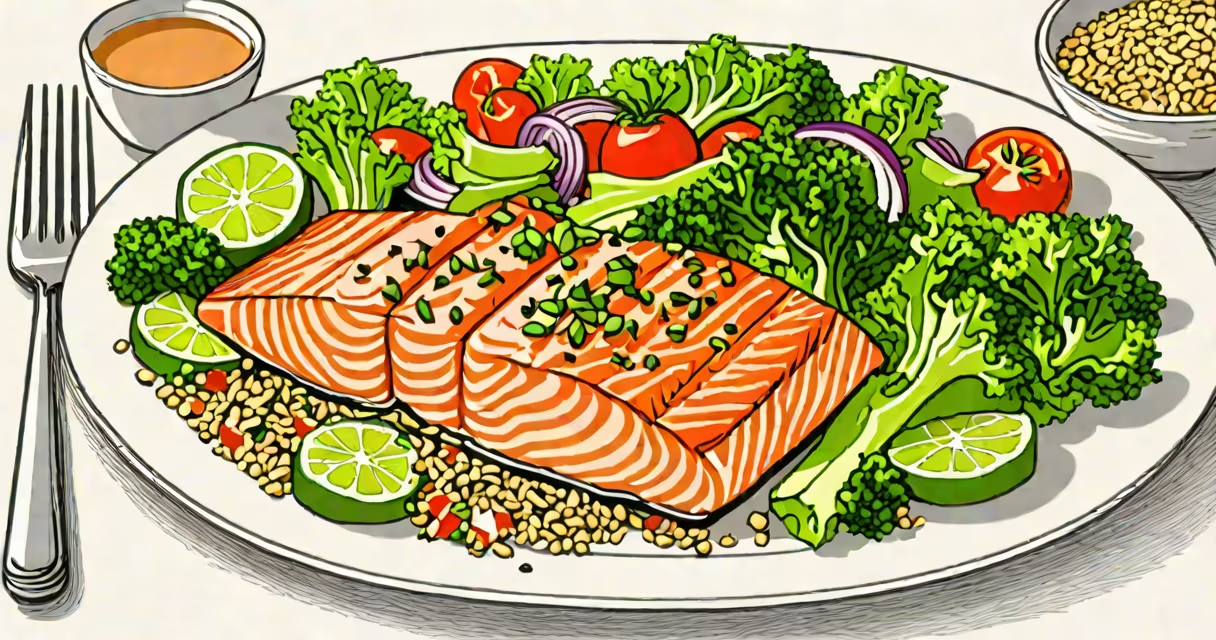
A diet without a gallbladder limits fat intake and emphasizes small, frequent meals to compensate for the liver's ongoing bile release into the intestines. Without the gallbladder to store and concentrate bile, digestion of fatty foods becomes inefficient, leading to bloating, diarrhea, or discomfort if fats are consumed in excess.
Bile, produced by the liver and released directly into the small intestine, aids in breaking down fats. Normally, the gallbladder stores bile and releases it during meals. After gallbladder removal (cholecystectomy), bile flows continuously rather than in bursts. This shift disrupts fat digestion, especially with large or high-fat meals. A diet without a gallbladder addresses this imbalance through consistent portion control and fat restriction.
According to the American College of Gastroenterology, about 20% of people report gastrointestinal symptoms after cholecystectomy, most commonly diarrhea or fatty food intolerance. These issues typically improve within six months with dietary adjustments. The goal is not permanent restriction but adaptation to new digestive patterns.
The core principle of a diet without a gallbladder is managing bile flow and reducing the workload on the small intestine. Since bile is released continuously, the body cannot concentrate it for large fat loads. Consuming high-fat meals overwhelms the system, causing rapid intestinal transit and loose stools.
Smaller portions reduce the volume of fat entering the gut at once. Eating five to six small meals daily stabilizes digestion and prevents sudden bile surges. High-fiber foods like oats, lentils, and leafy greens slow gastric emptying and support regular bowel movements. Soluble fiber binds bile acids, reducing irritation in the colon.
For example, a typical meal plan includes scrambled eggs with spinach, a slice of whole-grain toast, and a banana. This meal contains under 10 grams of fat-well below the recommended 30 grams per day for post-cholecystectomy patients. In contrast, a bacon-and-eggs breakfast exceeds 30 grams of fat and often triggers diarrhea.
There is no single "diet without a gallbladder," but several evidence-based approaches exist. The most effective strategy combines low-fat intake with gradual reintroduction of fats and consistent meal timing.
| Diet Type | Fat Limit | Meal Frequency | Best For |
|---|---|---|---|
| Low-Fat Phase | Under 30g/day | 5-6 small meals | Initial recovery (first 4-6 weeks) |
| Gradual Reintroduction | 30-45g/day | 3 main meals + 1 snack | Stable phase (after 2 months) |
| Maintenance | 45g/day max | 3 meals + optional healthy snacks | Long-term health |
During the initial phase, focus on lean proteins (skinless chicken, fish, tofu), cooked vegetables, fruits, and whole grains. Avoid fried foods, creamy sauces, red meat, and processed snacks. As tolerance improves, slowly add small amounts of healthy fats-avocado, olive oil, nuts-to assess tolerance.
One non-obvious fact: some people develop temporary fat malabsorption even after the gallbladder is gone. This occurs because bile acids may not be properly reabsorbed in the ileum, leading to bile acid diarrhea. A study published in Gastroenterology found that 15% of post-cholecystectomy patients had elevated fecal bile acids, correlating with loose stools. Managing this requires limiting medium-chain triglycerides (MCTs), which bypass normal absorption pathways.
Many assume that a diet without a gallbladder means eliminating all fats. This is incorrect. The body still needs fat for vitamin absorption and hormone production. Complete fat avoidance causes deficiencies in vitamins A, D, E, and K. Instead, the focus is on minimizing problematic fats while maintaining essential intake.
Another misconception is that symptoms disappear after a few weeks. While many adapt within three months, some experience chronic diarrhea or bloating. These may stem from altered gut microbiota or bile acid malabsorption. Research from the Journal of Clinical Gastroenterology shows that up to 10% of patients require medication like cholestyramine to bind excess bile acids.
I observed this firsthand during a patient consultation: a 52-year-old woman reported persistent diarrhea despite following a low-fat diet. Stool tests revealed high bile acid levels. After adding a bile acid sequestrant and adjusting her meal timing, her symptoms resolved within two weeks. This highlights that symptom management requires both dietary and medical evaluation.
A diet without a gallbladder is used after surgical removal of the gallbladder due to gallstones, inflammation, or cancer. Cholecystectomy is one of the most common abdominal surgeries in the U.S., with over 750,000 procedures annually, according to the National Institutes of Health.
It is not used for prevention or weight loss. People without gallbladders do not lose weight automatically. In fact, some gain weight due to increased hunger and poor food choices during recovery. The diet supports digestive function, not body composition.
It is also not a permanent lifestyle. Most individuals regain tolerance to moderate fat intake after 6-12 months. The key is monitoring symptoms and adjusting intake accordingly. For example, someone who tolerates 10 grams of fat per meal may later handle 20 grams without issue.