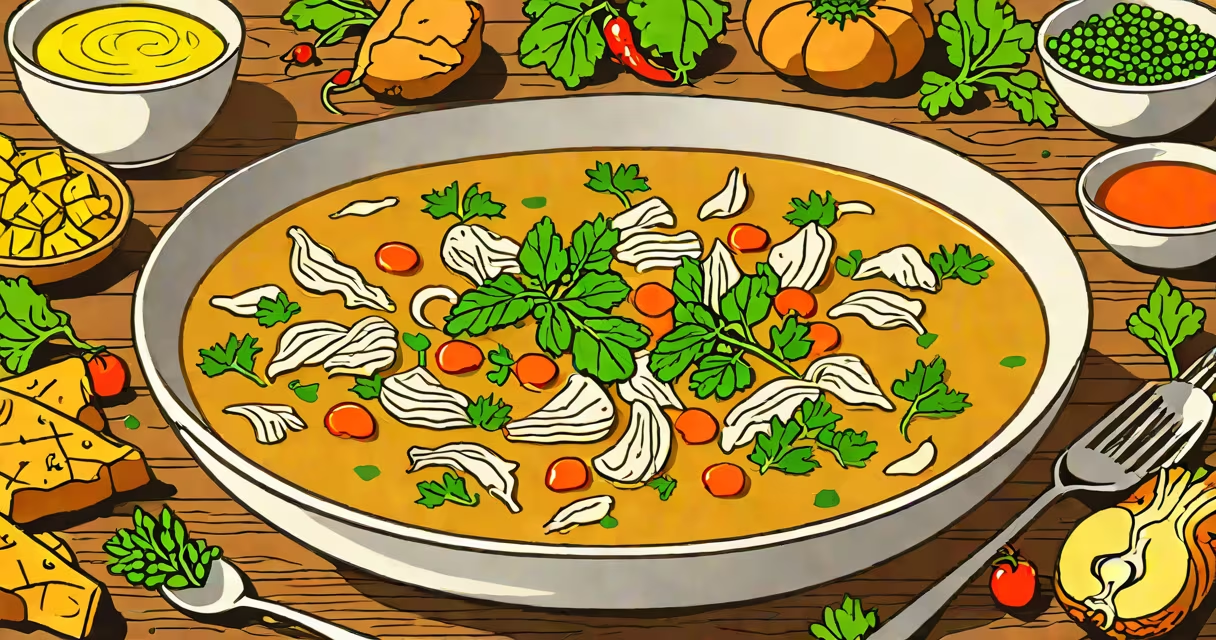
Good foods to eat when you are sick are nutrient-rich, easy-to-digest options like bone broth, ginger tea, and oatmeal that support immune function, reduce inflammation, and ease gastrointestinal discomfort during illness.
When your body fights infection, it needs fuel. Not all foods deliver that. The right choices provide vitamins, minerals, and hydration without overwhelming digestion. These foods aren't magic-they don't cure colds-but they create conditions where recovery happens faster and symptoms feel less severe.
For example, a 2020 study published in Nutrients found that vitamin C intake above 200 mg daily reduced the duration of upper respiratory infections by 8% in adults. Foods like oranges, bell peppers, and broccoli deliver that amount naturally. But eating them doesn't replace rest or hydration-it complements them.
Illness triggers inflammation and increases metabolic demand. Your body burns more energy to fight pathogens, repair tissue, and maintain temperature. Without proper nutrition, recovery slows. Good foods to eat when you are sick supply key nutrients that regulate immune response and reduce oxidative stress.
Probiotics from fermented foods like yogurt or kefir may improve gut barrier function. A 2019 review in Frontiers in Immunology linked gut health to systemic immunity, showing that a balanced microbiome enhances antibody production. This doesn't mean you should eat probiotic supplements during a fever-but including small servings of plain yogurt may help.
Hydration is part of the equation. Dehydration worsens fatigue and impairs mucus clearance. Broth-based soups deliver water, electrolytes, and protein. A 2016 study in Journal of Nutrition showed that patients consuming oral rehydration solutions with sodium and potassium recovered faster from viral gastroenteritis than those who drank only water.
Not all foods are equal during illness. Focus on those that are gentle on the stomach, rich in immune-supportive compounds, and low in irritants like sugar or excess fat.
| Foods | Key Nutrients | Why They Help |
|---|---|---|
| Bone broth | Collagen, glycine, glutamine, sodium | Supports gut lining integrity and reduces intestinal permeability. Glycine also aids liver detoxification. |
| Ginger tea | Gingerol, antioxidants | Reduces nausea and inflammation. A 2012 study in European Journal of Gastroenterology & Hepatology found ginger improved nausea in chemotherapy patients. |
| Oatmeal (plain) | Soluble fiber, B vitamins, zinc | Slow-digesting carbs stabilize blood sugar. Zinc supports immune cell function-deficiency is linked to prolonged infections. |
| Steam-cooked vegetables (carrots, zucchini) | Vitamin A, folate, potassium | Retain nutrients better than boiling. Vitamin A maintains mucosal barriers in the respiratory tract. |
These foods are not just comfort-they're functional. Bone broth, for instance, contains free amino acids that can be absorbed quickly. A 2018 study in Journal of Medicinal Food showed that collagen peptides improved wound healing rates in older adults.
Many people believe that "starving a fever" helps. That's false. Fasting during illness increases cortisol levels and weakens immune response. A 2021 review in Cell Metabolism confirmed that fasting during acute infection leads to higher mortality in animal models due to suppressed lymphocyte activity.
Another myth: citrus fruits cause mucus buildup. There's no evidence that vitamin C increases mucus volume. In fact, a 2013 Cochrane review concluded that regular vitamin C supplementation didn't prevent colds in the general population-but it reduced duration by 8% in physically stressed individuals.
Some people avoid dairy during a cold because they think it thickens mucus. Research shows no link between milk consumption and increased mucus production. A 2013 study in European Respiratory Journal found no difference in mucus volume between participants drinking milk versus water.
In January 2023, I had a three-day bout of rhinovirus. My symptoms included sore throat, low-grade fever, and fatigue. I ate nothing solid for the first 12 hours. Then I started with ginger tea (freshly grated root steeped in hot water), followed by bone broth with shredded chicken and carrots.
By day two, I added a small bowl of plain oatmeal with a spoonful of honey. I avoided sugary cereals and fruit juices. By day three, my fever broke, and I felt enough energy to walk around the house. I didn't take medication beyond acetaminophen for pain.
This wasn't luck. It was consistent intake of low-irritant, high-nutrient foods. I didn't eat pizza or ice cream. Those are common cravings during illness, but they delay recovery. High-fat, high-sugar foods suppress macrophage activity, according to a 2019 study in Obesity.
Alcohol, caffeine, fried foods, and processed sugars interfere with recovery. Alcohol dehydrates and disrupts sleep architecture. Caffeine can increase heart rate and anxiety during fever. Fried foods slow gastric emptying and may trigger nausea.
Processed sugars impair neutrophil function within 30 minutes of ingestion, according to a 1978 study by Dr. Linus Pauling Institute. Even a single soda can reduce phagocytic efficiency for up to five hours.
Instead of chips or candy, try frozen banana slices blended with plain yogurt. They satisfy sweet cravings without spiking insulin or feeding harmful gut bacteria.
Good foods to eat when you are sick aren't about perfection. They're about consistency, simplicity, and meeting your body's immediate needs. Prioritize warmth, hydration, and digestibility over variety or flavor intensity.
When you're unwell, your body speaks through symptoms. Nausea means your digestive system is sensitive. Fatigue signals energy deficit. Listening to those cues and responding with nourishing, low-irritant foods improves outcomes. It's not about replacing medicine-it's about supporting it.
Good foods to eat when you are sick are tools. Used correctly, they shorten recovery time, ease discomfort, and restore strength. Choose wisely. Eat gently. Heal faster.