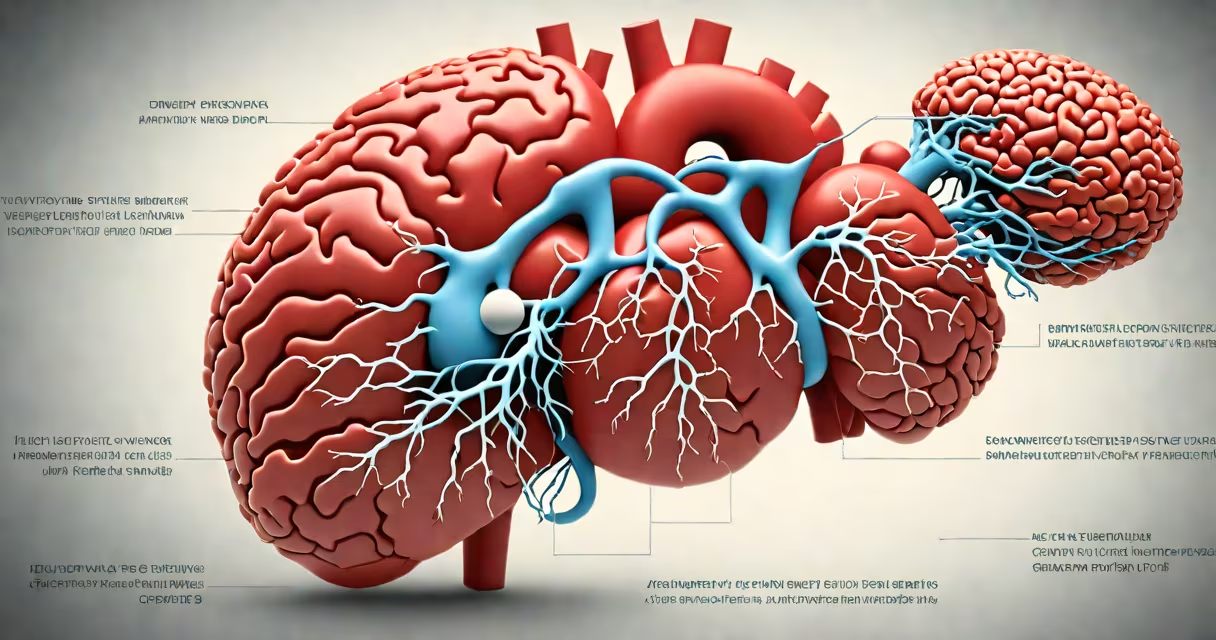
Physiology is the scientific study of how living organisms carry out essential life processes through coordinated functions of cells, tissues, organs, and organ systems. It examines mechanisms such as nutrient transport, energy production, nerve signaling, and waste elimination across species-from single-celled organisms to complex mammals.
At its core, physiology answers questions like: How does the heart pump blood? What triggers insulin release? Why do muscles contract during movement? These inquiries focus on changing processes rather than static structures. While anatomy describes *what* body parts are, physiology explains *how* they work together to maintain internal stability and respond to environmental changes.
The field originated in ancient Greece with Hippocrates and Aristotle, who proposed that health depended on balance among bodily fluids. Modern physiology emerged in the 17th century with William Harvey's discovery of blood circulation. Today, it underpins clinical medicine, sports science, pharmacology, and neuroscience.
Physiological processes operate through feedback loops, primarily negative feedback, which maintains homeostasis-the stable internal environment necessary for survival. For example, when body temperature rises, sweat glands activate to cool the skin. Once temperature normalizes, sweating stops. This closed-loop regulation prevents extreme deviations.
Key regulatory systems include the nervous system, endocrine system, and immune system. The nervous system uses electrical impulses to transmit signals rapidly-like a reflex kick when touching a hot surface. The endocrine system releases hormones into the bloodstream to modulate slower processes such as growth, metabolism, and reproduction. The immune system detects pathogens and coordinates targeted responses to eliminate threats.
Each system relies on precise molecular interactions. For instance, insulin binds to receptors on muscle and fat cells, triggering glucose uptake from the blood. Without this mechanism, blood sugar levels rise uncontrollably-a sign of diabetes. Understanding these pathways allows clinicians to diagnose disorders and develop treatments.
Physiology divides into specialized subfields based on organism type, system focus, or research method. The primary categories include:
| Type | Focus Area | Example Application |
|---|---|---|
| Human Physiology | Function of human organs and systems | Diagnosing heart failure using ejection fraction measurements |
| Animal Physiology | Adaptations in non-human species | Studying camel kidney efficiency in desert conditions |
| Plant Physiology | Photosynthesis, water transport, nutrient absorption | Designing drought-resistant crops |
| Cellular & Molecular Physiology | Ion channels, receptor activation, enzyme kinetics | Developing drugs targeting G-protein coupled receptors |
Each branch uses experimental methods ranging from electrophysiology recordings to genetic manipulation. For example, researchers use patch-clamp techniques to measure ion flow through individual neuron membranes, revealing how neural circuits generate behavior.
Physiology is foundational in healthcare. Medical students study it to understand disease progression and treatment effects. A patient with chronic obstructive pulmonary disease (COPD) experiences impaired gas exchange due to damaged alveoli. Knowing how oxygen diffuses across lung tissue helps doctors assess severity and choose ventilatory support.
In sports performance, physiology informs training regimens. Elite athletes undergo VO₂ max testing-measuring maximum oxygen consumption-to tailor endurance workouts. A cyclist with a VO₂ max of 70 mL/kg/min can sustain higher intensities than someone with 50 mL/kg/min. This metric guides periodization and recovery planning.
Pharmaceutical development depends heavily on physiological models. Drug candidates are tested in cell cultures and animal models to predict human responses. For instance, antihypertensive medications like ACE inhibitors reduce angiotensin II production, lowering blood pressure. Clinical trials confirm efficacy and safety before approval.
Physiology is often confused with anatomy. Anatomy identifies structures-such as the femur or cerebral cortex-while physiology explains their roles. A broken femur may be diagnosed via X-ray (anatomy), but understanding how bone remodeling occurs after injury requires physiological insight.
Another misconception is that physiology applies only to humans. It spans all life forms. Marine biologists study how deep-sea fish regulate buoyancy using gas-filled swim bladders-an adaptation driven by hydrostatic pressure. These findings inform conservation strategies and bioengineering designs.
A lesser-known fact: many physiological principles were discovered through accidental observations. In the 19th century, Claude Bernard noticed that fasting dogs had elevated blood sugar. His experiments revealed that the liver produces glucose during starvation-a process now known as gluconeogenesis. This discovery reshaped metabolic theory and led to better diabetes management.
Consider the sympathetic nervous system's role in stress response. When faced with danger-say, a sudden car collision-the adrenal glands release adrenaline (epinephrine). Within seconds, heart rate increases from 70 to 150 beats per minute, pupils dilate, and blood vessels constrict in non-essential areas while redirecting flow to muscles and brain.
This cascade is not random. Adrenaline binds to beta-adrenergic receptors on cardiac muscle, increasing contractility and conduction speed. Simultaneously, glycogen breakdown in the liver releases glucose into the bloodstream. Together, these actions prepare the body for rapid action-running away or fighting.
Without this integrated response, survival would be compromised. The entire sequence-neural signal → hormone release → tissue response-is a textbook example of physiological coordination. It demonstrates how multiple systems interact dynamically under duress.
I once observed a marathon runner collapse near mile 24. Paramedics confirmed low blood glucose and high cortisol levels. Their treatment-administering oral glucose gel-restored consciousness within minutes. That moment underscored how deeply physiology governs real-time human resilience.
For deeper insight, consult the American Physiological Society's Physiology Education portal or the National Institutes of Health's Human Physiological Systems database. Both provide peer-reviewed resources on current research and educational standards.
Physiology remains central to advancing health and understanding life itself. Whether studying how neurons fire or how plants adapt to climate shifts, the discipline reveals the invisible forces that sustain living systems.