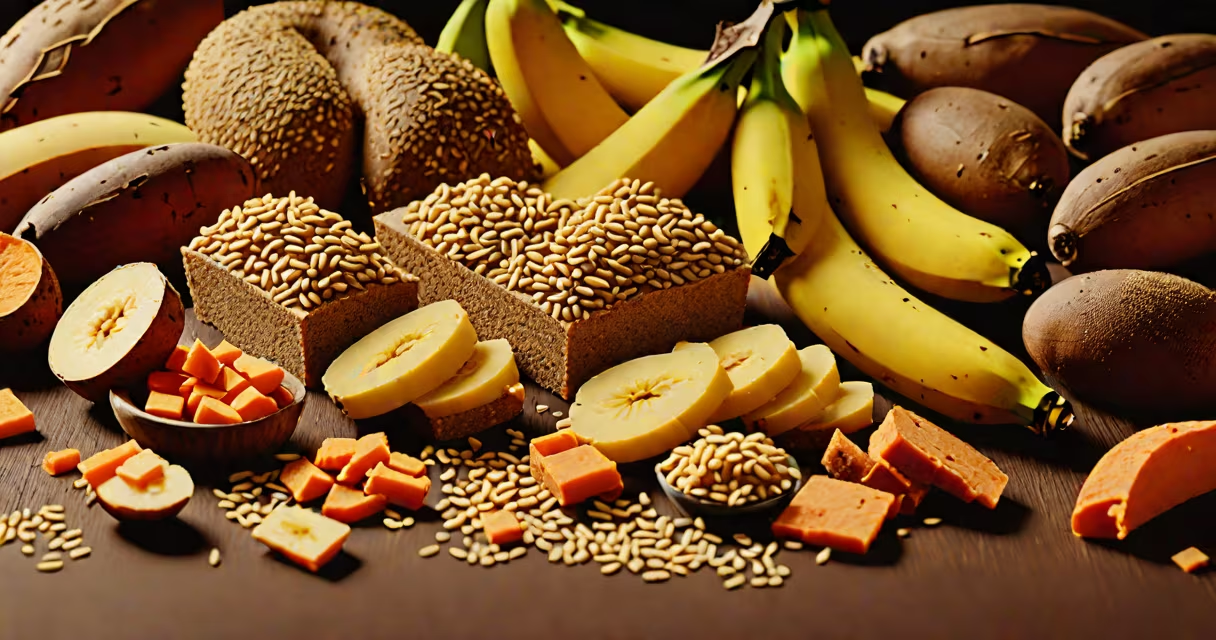
Carbohydrates are the body's primary source of energy, broken down into glucose to fuel cells, especially brain and muscle tissue. They also support glycogen storage for sustained activity and regulate insulin-driven metabolic processes.
When you eat foods containing carbohydrates-like rice, fruits, vegetables, and grains-the digestive system converts them into simple sugars, primarily glucose. This glucose enters the bloodstream, raising blood sugar levels. In response, the pancreas releases insulin, which signals cells to absorb glucose for immediate use or store it as glycogen in the liver and muscles.
Glucose powers nearly every cell in the body. The brain alone uses about 120 grams of glucose daily, even during rest. Without adequate carbohydrate intake, cognitive function declines, fatigue sets in, and physical performance drops. A 2020 review in Frontiers in Nutrition confirmed that low-carb diets impair endurance and high-intensity exercise capacity due to reduced glycogen availability.
Carbohydrates enter the body as complex chains (polysaccharides) or single units (monosaccharides). Starches in potatoes and pasta are polysaccharides broken down into glucose. Simple sugars like sucrose (table sugar) split into glucose and fructose during digestion.
After absorption, glucose travels through the bloodstream. Insulin binds to receptors on muscle, fat, and liver cells, triggering glucose transporters (GLUT4) to move to the cell surface and pull glucose inside. Once inside, glucose either powers cellular respiration-producing ATP-or gets converted into glycogen for storage.
Glycogen stores last about 24 hours in the liver and 12-18 hours in muscles. After depletion, the body shifts to using fat and protein for energy, a state known as ketosis. This process is common during prolonged fasting or very-low-carb diets, but it's not sustainable for high-performance activities.
Not all carbohydrates affect the body the same way. The key difference lies in fiber content, sugar structure, and processing level.
| Type | Examples | Impact on Blood Sugar | Primary Function |
|---|---|---|---|
| Complex carbohydrates | Oats, brown rice, legumes | Slow rise (low glycemic index) | Steady energy release, supports gut health via fiber |
| Simple carbohydrates | Fruit juice, candy, soda | Quick spike (high glycemic index) | Fast energy, but can cause insulin surges |
| Dietary fiber | Artichokes, chia seeds, broccoli | No impact (not digested) | Regulates digestion, feeds beneficial gut bacteria |
For example, a medium banana contains about 27 grams of carbohydrates, including 3 grams of fiber. Its natural sugars raise blood glucose gradually, while the fiber slows absorption. In contrast, a 12-ounce soda delivers 40 grams of sugar-mostly sucrose and high-fructose corn syrup-with no fiber, causing a rapid insulin spike.
A 2021 study published in The American Journal of Clinical Nutrition found that individuals consuming high-fiber carbohydrates had lower risk of type 2 diabetes, even after adjusting for weight and physical activity. Fiber slows digestion, reducing blood sugar spikes and improving insulin sensitivity over time.
Many people believe all carbohydrates are bad or that "carbs make you fat." This is incorrect. Weight gain results from excess calorie intake, not carbohydrates alone. A 2018 meta-analysis in BMJ showed that low-carb diets led to similar short-term weight loss compared to low-fat diets-but long-term adherence was poorer, and metabolic markers like LDL cholesterol worsened in some groups.
Another myth is that carbohydrates disrupt pH balance in the body. The idea that eating acidic foods (like bread or meat) makes blood acidic is false. The human body maintains blood pH within a narrow range of 7.35-7.45 through respiratory and renal systems. Acid-base homeostasis is not affected by diet composition, according to the National Institutes of Health (NIH).
Consider a marathon runner preparing for a race. On the day before the event, they consume a high-carbohydrate meal-such as pasta with tomato sauce, a banana, and a sports drink-to maximize glycogen stores. This strategy, called carbohydrate loading, increases muscle glycogen by up to 100% compared to baseline.
During the race, the runner burns approximately 60-90 grams of carbohydrates per hour. At this rate, stored glycogen lasts about 90 minutes. Beyond that, fatigue sets in unless the runner consumes carbs during the event-typically in the form of gels, chews, or drinks with 6-8% glucose and dextrose mixtures.
Research from the International Journal of Sport Nutrition and Exercise Metabolism shows that runners who consumed carbohydrates during a 2.5-hour run maintained faster times and reported less perceived effort than those who didn't. This confirms that carbohydrates aren't just fuel-they're performance enhancers.
Understanding what carbohydrates do for the body helps separate fact from myth. They are not inherently harmful. When selected wisely, they power daily life, support athletic goals, and contribute to metabolic health.