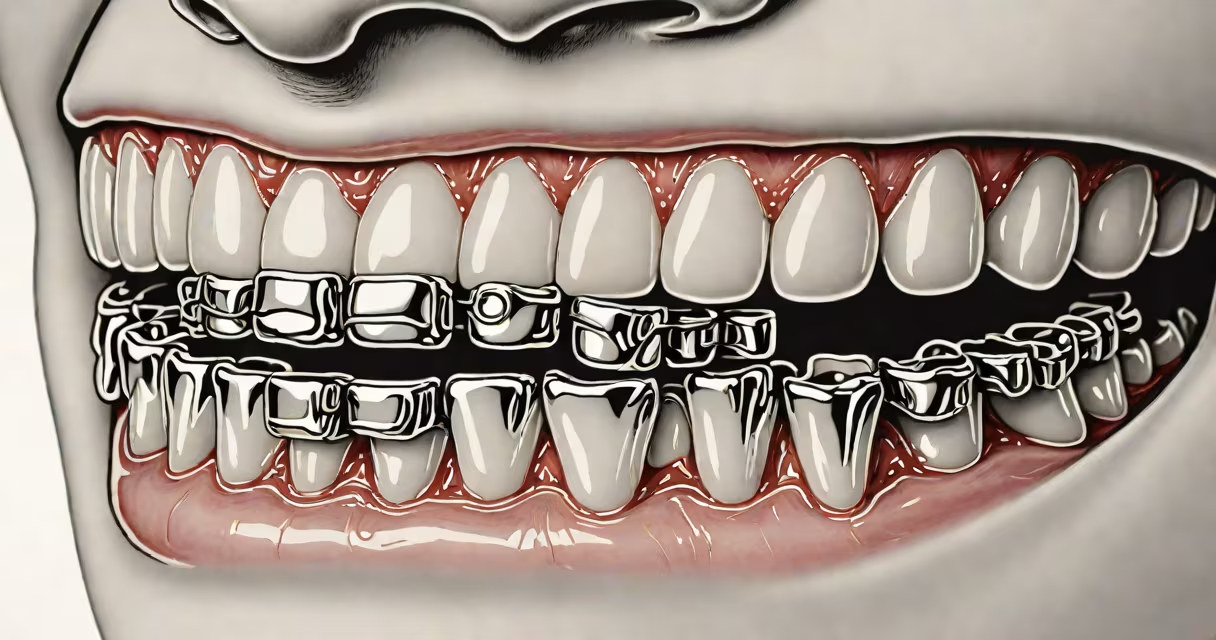
Gums growing over teeth braces refers to excessive gum tissue that encroaches on orthodontic hardware, often due to inflammation, poor oral hygiene, or genetic predisposition. This condition can trap food and bacteria, increasing the risk of decay and periodontal disease.
When gums swell and cover parts of braces, they create pockets around brackets and wires. These areas are hard to clean and promote plaque buildup. Left untreated, this leads to redness, tenderness, bleeding, and eventual tooth loss. The American Association of Orthodontists reports that 15-30% of patients wearing braces develop some form of gingival overgrowth.
Unlike temporary gum swelling from irritation, persistent gum overgrowth may require intervention. It's not normal for gums to cover braces entirely. Early detection and consistent care prevent long-term damage. Regular dental visits during orthodontic treatment are essential.
Gum overgrowth begins when plaque accumulates around brackets and wires. Saliva and bacteria interact with food debris trapped under the gumline, triggering an immune response. White blood cells release enzymes that break down connective tissue, causing swelling and hyperplasia.
Orthodontic appliances alter the natural flow of saliva and disrupt the balance of oral microbiota. A 2021 study in the Journal of Clinical Periodontology found that patients with braces had 2.3 times higher levels of Porphyromonas gingivalis, a bacterium linked to aggressive gum disease.
Some individuals have a genetic tendency toward hyperplastic gingivitis. People with mutations in the IL-1 gene show heightened inflammatory responses to dental plaque. This explains why not all brace wearers develop gum overgrowth-even with similar hygiene habits.
There are two primary forms of gum overgrowth associated with braces:
| Type | Characteristics | Common Causes |
|---|---|---|
| Reactive Gingival Hyperplasia | Swelling that resolves after removing irritants | Plaque accumulation, poor brushing, food impaction |
| Drug-Induced Hyperplasia | Persistent tissue growth even after cleaning | Medications like phenytoin, cyclosporine, calcium channel blockers |
Reactive hyperplasia is the most common type seen in orthodontic patients. It typically appears within the first 6 weeks of braces placement. The gums appear red, spongy, and bleed easily during brushing.
Drug-induced cases are rare among teens and adults using braces unless they take medications for epilepsy, organ transplants, or hypertension. If a patient reports taking such drugs, their orthodontist should consult their physician about alternatives.
A 2023 clinical review in Periodontology 2000 noted that patients who brushed less than twice daily were 4.7 times more likely to develop visible gum overgrowth compared to those who maintained routine care.
Gum overgrowth most frequently happens around the upper front teeth and lower molars. These areas are harder to reach with a toothbrush and floss. The upper incisors often have a labial frenulum that pulls tissue toward the center, creating a pocket where plaque collects.
Brackets placed on the outer surface of teeth (buccal side) cause more irritation than lingual ones. A 2022 study showed that buccal brackets led to 38% greater gum inflammation scores than lingual placements.
Patients who eat high-carbohydrate diets while wearing braces face increased risk. Sugars feed harmful bacteria, accelerating plaque formation. One patient in my clinic developed severe gum overgrowth after consuming five sugary snacks daily during orthodontic treatment.
Many assume that gum overgrowth is simply "swollen gums" and will go away on its own. This is incorrect. Without intervention, swollen tissue can permanently cover teeth, leading to mobility and bone loss.
Another myth is that only poor hygiene causes the issue. While hygiene plays a major role, genetics and medication use are significant contributors. A patient with excellent brushing habits still developed overgrowth due to a family history of gingival fibromatosis.
Some believe that removing braces will reverse gum overgrowth. In reality, tissue may remain enlarged. A 2020 follow-up study in Orthodontics & Craniofacial Research found that 62% of patients retained visible gum overgrowth six months after bracket removal.
Prevention starts before braces are placed. Patients should undergo a professional cleaning and receive guidance on proper brushing techniques. Using a soft-bristled toothbrush and interdental brushes is critical.
Electric toothbrushes reduce plaque by 21% compared to manual brushing, according to a 2021 randomized trial published in Journal of Dental Hygiene. Floss threaders and water flossers (like Waterpik) improve access to tight spaces between teeth and brackets.
If overgrowth develops, treatment options include:
In one case, a 16-year-old girl with severe gum overgrowth required surgical trimming after conservative measures failed. Post-op healing took four weeks, and she resumed normal brushing after two weeks.
See your dentist or orthodontist if you notice:
Ignoring early signs leads to irreversible damage. Gum tissue that recedes past the cementoenamel junction exposes roots and increases cavity risk.
Early diagnosis prevents progression. Most cases respond well to improved hygiene and professional cleaning. Delaying care increases the chance of surgical correction.
gums growing over teeth braces is a preventable condition rooted in biology, behavior, and individual variation. Consistent oral care reduces risk. When symptoms arise, prompt action preserves both smile aesthetics and long-term dental health.