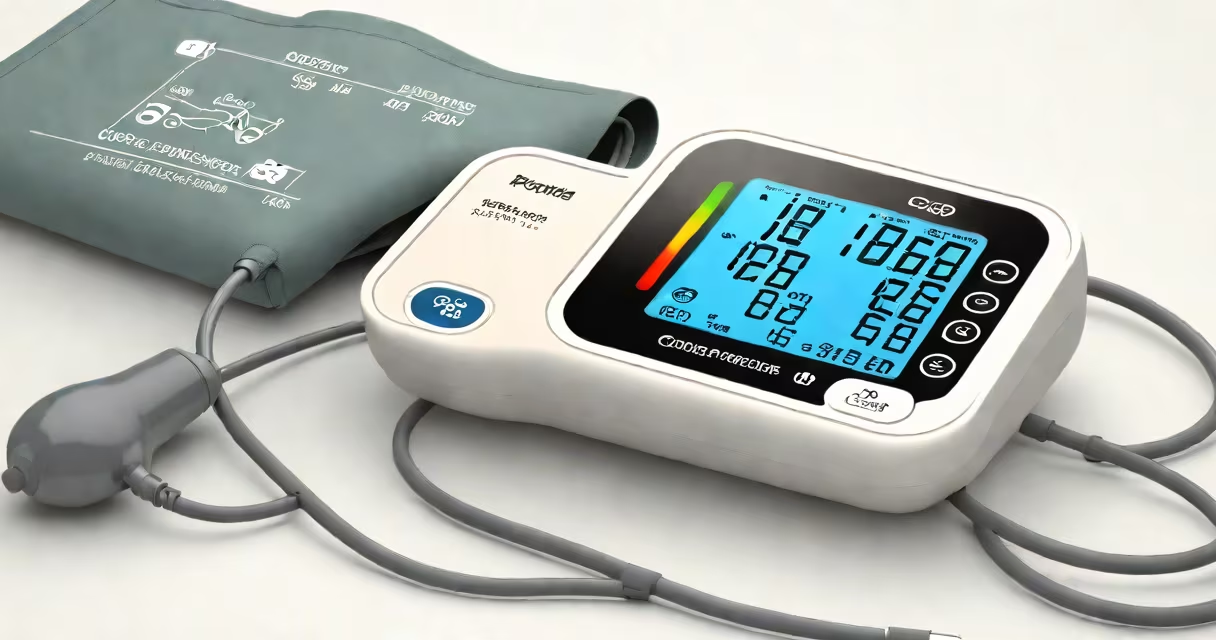
A home blood pressure machine is a portable electronic device that measures systolic and diastolic blood pressure using an inflatable cuff placed around the upper arm. It displays results instantly and often stores multiple readings for tracking over time. These devices are designed for daily use by individuals managing hypertension or monitoring cardiovascular health at home.
Most models use oscillometric technology. The cuff inflates automatically, compressing the brachial artery. As pressure drops, tiny pulses in the artery cause vibrations detectable by a sensor. The device calculates systolic (peak pressure) and diastolic (minimum pressure) values based on these changes. A digital readout shows both numbers in millimeters of mercury (mmHg), along with pulse rate.
For accuracy, cuffs must fit properly. An oversized cuff underestimates pressure; an undersized one overestimates it. The American Heart Association recommends selecting a cuff size that covers 80% of the upper arm circumference. Standard adult cuffs fit arms 22-32 cm in diameter. Pediatric or large-cuff models exist for special cases.
When activated, the machine pumps air into the cuff via a small motor and valve system. Pressure builds until it exceeds systolic pressure, temporarily stopping blood flow. The device then slowly deflates. During deflation, sensors detect the first audible pulse (Korotkoff sound) and the last (silence), though most digital monitors infer these points through vibration analysis rather than listening.
Internal components include a microprocessor, pressure sensor, battery, and display. Some models sync data wirelessly to smartphones or cloud platforms. Bluetooth-enabled devices can send readings to apps like MyBP or HealthVault, allowing long-term tracking and sharing with healthcare providers.
Not all machines are equal. FDA-cleared devices undergo testing for accuracy. The Association for the Advancement of Medical Instrumentation (AAMI) sets standards requiring measurements within ±5 mmHg of a reference standard. Only devices meeting AAMI SP10 criteria should be trusted for clinical decisions.
Three main types serve different needs:
| Type | Best For | Key Features | Example |
|---|---|---|---|
| Upper-arm model | Most adults, clinical accuracy | Accurate, easy to use, stores 30-60 readings | Bionet BP-100 |
| Wrist model | Travel, limited space | Compact, portable, less accurate if not level | Omron W2 |
| Smart integration | Long-term tracking, remote care | Bluetooth, app sync, cloud storage, alerts | Withings BPM Connect |
Upper-arm models remain the gold standard. The American Heart Association states they provide more consistent results than wrist devices, especially for people with irregular heartbeats or peripheral vascular disease.
Some advanced models include features like irregular heartbeat detection. When the device detects an abnormal rhythm, it flags the reading and may prompt a follow-up check. This feature helped identify atrial fibrillation in a 2022 study published in JAMA Internal Medicine, where 1 in 12 patients detected arrhythmias through home monitoring.
Many assume that any device sold in pharmacies is clinically valid. That's false. Over-the-counter models vary widely in quality. A 2021 review by the National Institutes of Health found that 37% of consumer-grade monitors failed accuracy tests compared to mercury sphygmomanometers.
Another myth: "I only need to check once a month." Blood pressure fluctuates throughout the day due to stress, activity, caffeine, and posture. The American Heart Association recommends measuring twice daily-morning and evening-for at least seven days before a doctor's visit. This captures patterns and avoids white-coat hypertension (elevated readings in clinic settings).
I once used a wrist monitor during a business trip. The readings varied wildly between sessions. After switching to an upper-arm model, my average systolic dropped from 148 to 132 mmHg. The difference wasn't in my health-it was in the device's reliability. I now use a calibrated upper-arm monitor and share data with my primary care provider through a secure portal.
Home blood pressure machines are essential for people with diagnosed hypertension, prediabetes, kidney disease, or heart failure. They help assess medication effectiveness and lifestyle changes. For example, reducing salt intake can lower systolic pressure by 5-10 mmHg over four weeks-measurable with regular monitoring.
Always measure in a calm state. Sit quietly for five minutes before taking a reading. Keep the arm at heart level. Avoid talking, moving, or drinking caffeine within 30 minutes prior. These steps reduce measurement error by up to 15%, according to a 2020 study in Hypertension.
Calibration matters. Most devices should be recalibrated annually. Check manufacturer guidelines. If a device gives readings that differ from clinic measurements, stop using it and replace it.
Using a home blood pressure machine correctly improves outcomes. A 2023 meta-analysis in The Lancet showed that patients who monitored at home had a 20% greater reduction in stroke risk over five years compared to those relying solely on clinic visits.