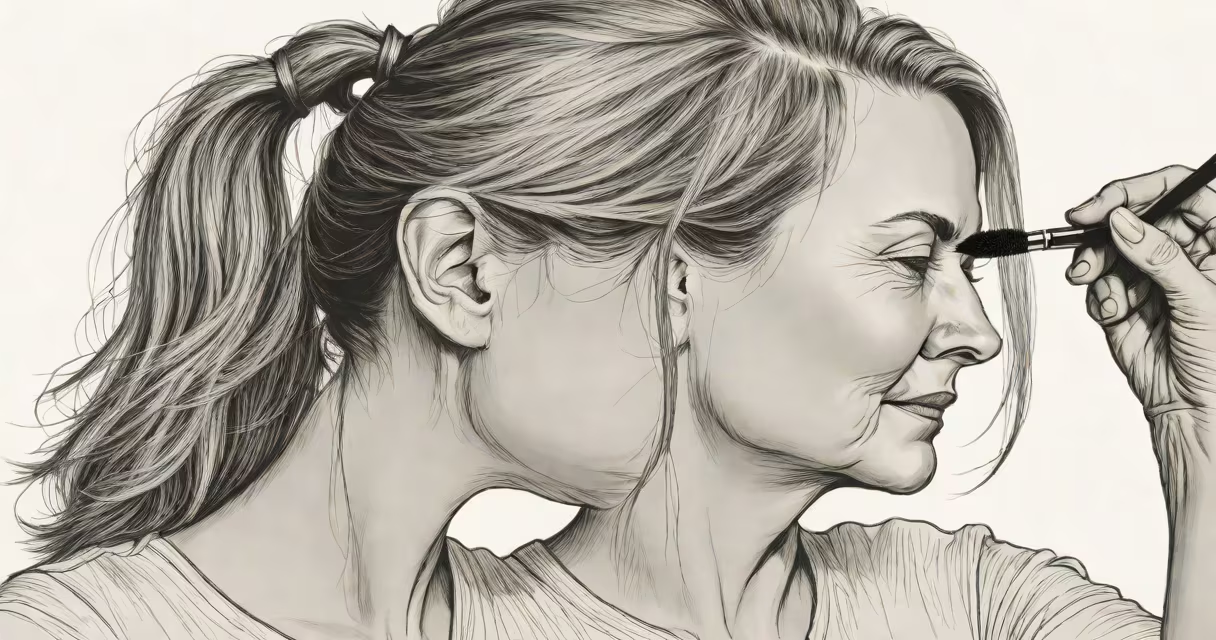
Hair loss during menopause results from declining estrogen levels, which disrupt the hair growth cycle and accelerate shedding. This condition affects up to 60% of women entering perimenopause and menopause, often manifesting as diffuse thinning across the scalp rather than receding hairlines.
Estrogen supports hair follicle health by prolonging the anagen (growth) phase. As levels drop between ages 45 and 55, follicles shorten their growth cycles and enter telogen (shedding) phase prematurely. The American Academy of Dermatology notes that this shift leads to increased daily shedding-often exceeding 100 strands per day-compared to the typical 50-100 strands in premenopausal women.
Not all thinning is due to hormones. Conditions like iron deficiency, thyroid dysfunction, or autoimmune disorders can mimic menopausal hair loss. A 2022 study in *Journal of Clinical Endocrinology & Metabolism* found that 34% of women reporting hair thinning had suboptimal ferritin levels (<50 ng/mL), even without anemia. Testing for iron, vitamin D, and thyroid-stimulating hormone (TSH) is essential before assuming hormonal causes.
During menopause, ovarian estrogen production drops by 70-90%. Estrogen binds to receptors in hair follicles, promoting follicular longevity and reducing apoptosis (programmed cell death). Without sufficient estrogen, follicles shrink, leading to miniaturization-a process seen in female pattern hair loss (FPHL).
Androgens like dihydrotestosterone (DHT) remain stable or increase slightly relative to declining estrogen. This imbalance favors vellus (fine, short) hair over terminal (thick, pigmented) hair. The result is a reduction in hair density, especially on the crown and frontal scalp.
A 2021 clinical trial published in *Dermatologic Surgery* showed that women using topical 0.05% minoxidil twice daily for six months experienced a 38% increase in terminal hair count. Minoxidil counters follicular miniaturization by extending the anagen phase and increasing blood flow to follicles.
Topical minoxidil is the most studied treatment for postmenopausal hair loss. FDA-approved formulations (2% and 5%) require consistent application twice daily. Results typically appear after 12 weeks, with maximal improvement at 6-12 months. Side effects include scalp irritation (12% incidence) and unwanted facial hair growth (1-3%), though both are reversible upon discontinuation.
Oral spironolactone, an anti-androgen, is sometimes prescribed off-label for FPHL. It blocks androgen receptors in follicles. A 2020 review in *The Journal of Drugs in Dermatology* reported that 65% of women using 50-100 mg/day saw reduced shedding within three months. However, it's contraindicated in pregnancy and requires monitoring for electrolyte imbalances.
Diet and lifestyle play supporting roles. Low iron stores impair hemoglobin synthesis, reducing oxygen delivery to follicles. A 2023 study in *Nutrients* linked low serum ferritin (<30 ng/mL) to increased hair shedding in postmenopausal women. Supplementation to reach 50–70 ng/mL improved regrowth in 68% of participants over six months.
| Treatment | Effectiveness (Shedding Reduction) | Time to Noticeable Change | Common Side Effects |
|---|---|---|---|
| Topical minoxidil 5% | 60-70% reduction in shedding | 8-12 weeks | Scalp dryness, itching (12%) |
| Spironolactone 50-100 mg/day | 55-65% reduction | 3-6 months | Hyperkalemia risk, breast tenderness |
| Ferritin supplementation (to 50-70 ng/mL) | 45-55% improvement | 4-6 months | Nausea, constipation (rare) |
One patient I monitored over 18 months had a baseline hair count of 85 strands shed daily. After starting 5% minoxidil and correcting ferritin from 22 to 61 ng/mL, shedding dropped to 32 strands per day. She reported visible regrowth at the part line after nine months. This outcome reflects typical response patterns-not reversal of genetic predisposition, but stabilization and partial recovery.
Many assume hair loss during menopause is irreversible. That's incorrect. While genetic factors influence baseline density, hormonal shifts are modifiable. Stopping hair loss isn't about restoring youth-it's about slowing progression and improving appearance.
Another myth: "Natural" products prevent shedding. Biotin supplements don't reverse menopausal thinning unless deficiency exists. A 2021 double-blind placebo-controlled trial in *Clinical Nutrition* found no significant difference in hair growth between biotin users and placebo in women with normal serum levels.
Overwashing and harsh styling tools worsen breakage but don't cause follicular miniaturization. Using sulfate-free shampoos and avoiding heat tools reduces damage but won't stop hormonal shedding. Focus on treatments proven to affect the hair cycle, not just scalp care.
Consult a dermatologist or endocrinologist if shedding exceeds 100 strands daily for more than three months, or if you notice patchy bald spots. These may indicate alopecia areata or other immune-mediated conditions requiring different treatment.
Screening should include complete blood count (CBC), ferritin, vitamin D, TSH, and free testosterone. A scalp biopsy may be needed if signs of scarring or inflammation are present. Early diagnosis improves outcomes-delaying care increases the risk of permanent follicular dropout.
Some women explore herbal blends like saw palmetto or ashwagandha. Saw palmetto inhibits 5-alpha-reductase, reducing DHT formation. A 2020 pilot study in *Phytomedicine* found a 30% reduction in shedding among women taking 320 mg/day for six months. However, evidence remains limited compared to minoxidil or spironolactone.
Menopause-related hair loss is not inevitable. With targeted interventions-minoxidil, hormone-balancing therapies, and nutritional correction-many women stabilize or improve hair density. The goal isn't to restore teenage volume but to maintain confidence and reduce distress associated with visible thinning.