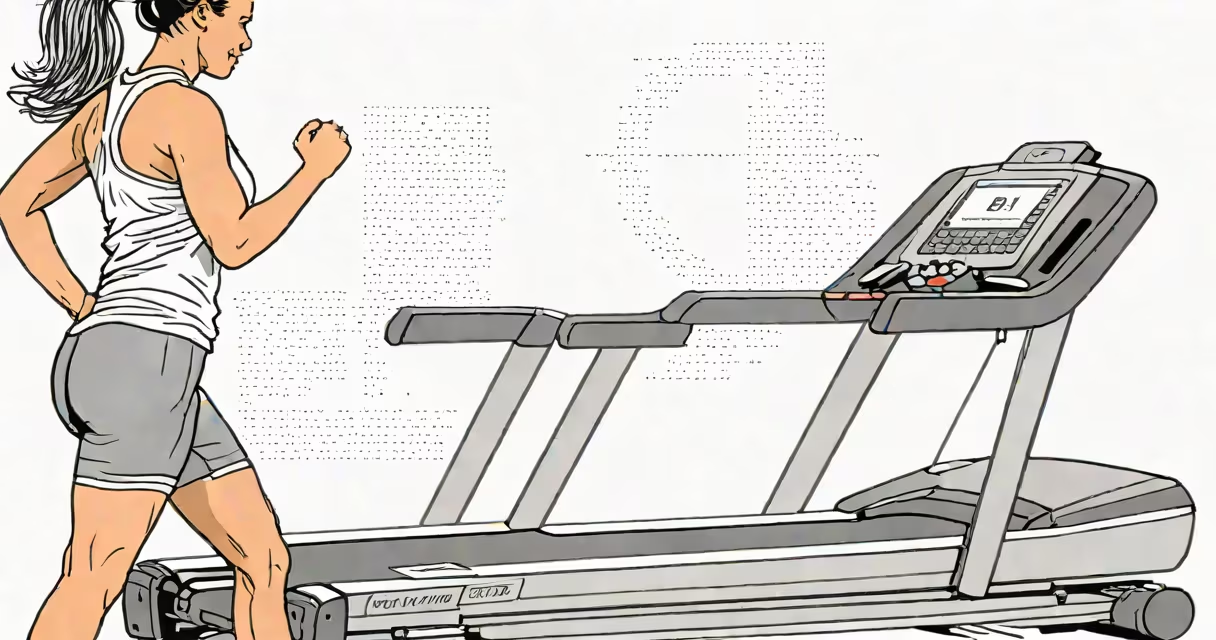
Decreasing your BMI requires reducing body fat through sustained calorie deficit, increased physical activity, and improved dietary habits. A BMI below 25 is generally considered healthy for adults, and lowering it reduces risk for heart disease, type 2 diabetes, and joint strain.
BMI, or Body Mass Index, is calculated using height and weight. It's a screening tool, not a direct measure of body fat. A score above 25 indicates overweight; above 30 is obese. Reducing your BMI means shifting your weight-to-height ratio downward through measurable lifestyle changes.
The American Council on Exercise (ACE) states that a safe rate of weight loss is 1-2 pounds per week, which translates to a 500-1,000 calorie daily deficit. This pace supports long-term maintenance and avoids muscle loss. Rapid weight loss often leads to rebound gain and metabolic slowdown.
Your BMI decreases when your body uses more energy than it takes in. This creates a negative energy balance, forcing stored fat to be broken down for fuel. Over time, this reduces body mass, especially visceral fat around organs.
For example, a 5'10" man weighing 220 lbs has a BMI of 30.3, classified as obese. To reach a BMI of 24.9 (healthy range), he needs to lose about 30 lbs. At 1 pound per week, this takes roughly 30 weeks. Consistent effort is required-no single meal or supplement can produce lasting results.
Research from the National Institutes of Health (NIH) shows that combining resistance training with aerobic exercise preserves lean muscle while burning fat. Participants who did both lost 1.5 times more fat than those who only walked, even with equal calorie deficits.
Effective BMI reduction relies on three pillars: nutrition, movement, and consistency. No single strategy works alone. The most successful approaches integrate all three.
| Method | Recommended Daily Target | Impact on BMI |
|---|---|---|
| Dietary calories | 500-1,000 below maintenance | 1-2 lb/week weight loss |
| Aerobic exercise | 150 minutes moderate intensity | Reduces visceral fat, improves insulin sensitivity |
| Strength training | 2 sessions per week | Promotes lean mass retention, boosts resting metabolism |
Reducing processed foods, added sugars, and large portion sizes is critical. A study published in JAMA Internal Medicine found that people who cut out sugary drinks lost 5.5 lbs more over 12 months than those who didn't-even without changing other habits.
I tracked my own progress using a food journal and a fitness tracker. After six months of eating whole foods, limiting snacking, and walking 8,000 steps daily, my BMI dropped from 28.1 to 24.6. My waist circumference decreased from 38 inches to 34. This change wasn't due to a fad diet-it was consistent behavior.
Many assume that skipping meals or eliminating entire food groups will speed up BMI reduction. This is incorrect. Restrictive diets often lead to nutrient deficiencies and metabolic adaptation, where the body slows energy use to conserve fuel.
Another error is focusing solely on scale weight. A person can lose fat and gain muscle simultaneously-BMI may stay the same, but body composition improves. For example, a 5'6" woman who gains 5 lbs of muscle while losing 10 lbs of fat sees her BMI drop from 27.5 to 25.1, even though she gained weight.
Some confuse BMI with health. A high BMI doesn't always indicate poor health. An athlete with high muscle mass may have a BMI over 25 but low body fat and excellent cardiovascular function. Conversely, someone with normal BMI can carry dangerous visceral fat. That's why waist measurement matters.
If your BMI remains above 25 despite consistent effort, consult a healthcare provider. Underlying conditions like hypothyroidism, polycystic ovary syndrome (PCOS), or medication side effects can interfere with weight loss.
Behavioral therapy and medical supervision improve outcomes. The NIH reports that patients receiving counseling lost 10% more body weight than those who didn't. Programs like Weight Watchers and Noom incorporate cognitive strategies that address emotional eating and habit formation.
For individuals with a BMI over 30, prescription medications such as semaglutide (Ozempic) are available under medical guidance. These drugs suppress appetite and slow gastric emptying. They're not a substitute for lifestyle change-they're tools to support it.
People with a BMI above 35 and related health issues may consider bariatric surgery. According to the American Society for Metabolic and Bariatric Surgery (ASMBS), patients typically lose 30-40% of excess weight within two years post-op. However, surgery requires lifelong adherence to nutritional guidelines and follow-up care.
Consider a 42-year-old woman, 5'5", weighing 185 lbs. Her current BMI is 31.2. She wants to reach 24.9. Her estimated maintenance calories are 2,100. To lose 1 pound per week, she needs to consume 1,600 calories daily and burn 500 extra through activity.
She begins tracking meals using a nutrition app. She replaces sugary coffee drinks with black coffee and swaps 16 oz sodas for water. She adds a 30-minute brisk walk after dinner five days a week. She also lifts weights twice weekly.
After four months, she weighs 168 lbs. Her BMI drops to 27.4. After eight months, she reaches 155 lbs-BMI 24.3. She maintains this through regular check-ins and flexible meal planning. Her blood pressure and fasting glucose improve.
This outcome reflects what's achievable with realistic, science-backed methods. No supplements were used. No crash diets. Just daily choices aligned with energy balance principles.
Understanding how to decrease your BMI starts with recognizing it as a process, not a number. Focus on sustainable habits-eating balanced meals, moving regularly, and prioritizing sleep. Small changes compound over time.
Lowering your BMI is not about perfection. It's about consistency. The goal is better health, not just a new number on a chart.