Scarlet fever is caused by an infection with group A Streptococcus bacteria, specifically strains that produce erythrogenic toxin. The illness spreads through direct contact with respiratory droplets from an infected person's coughs or sneezes, or by touching contaminated surfaces.
Group A Streptococcus (GAS) bacteria enter the body through the nose or mouth, often after exposure to someone with strep throat. Once inside, they multiply and release toxins that cause the characteristic rash and other systemic symptoms. The condition is most common in children aged 5 to 15, though adults can contract it too.
Transmission occurs primarily via close personal contact-sharing utensils, kissing, or being in the same room during active coughing or sneezing. The incubation period ranges from 1 to 4 days after exposure, meaning symptoms appear within that window. Without treatment, the infection can persist for weeks and may lead to complications such as rheumatic fever or kidney inflammation.
After exposure, the bacteria colonize the throat or skin. In the case of scarlet fever, the infection usually begins as strep throat, which affects about 10% of people who carry group A Streptococcus. Not everyone with the bacteria develops symptoms-some remain asymptomatic carriers.
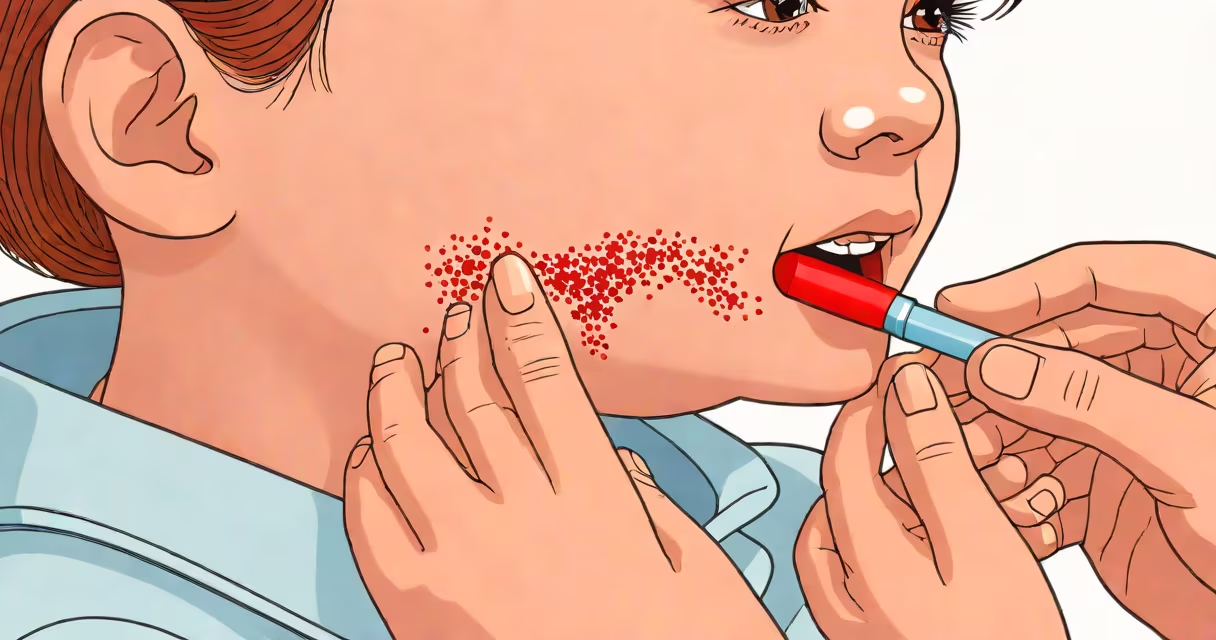
The key factor in developing scarlet fever is the production of erythrogenic toxin by certain strains of Streptococcus pyogenes. This toxin triggers immune system activation, leading to widespread capillary dilation and increased permeability. The result is a fine, red, sandpaper-like rash that starts on the neck and chest before spreading to the rest of the body.
A 2021 study published in The Lancet Infectious Diseases found that scarlet fever incidence rose sharply in England between 2014 and 2019, peaking at over 16 cases per 100,000 children under 15. Researchers attributed the increase to shifts in bacterial strain prevalence and possibly changes in host immunity due to reduced early-life exposure to pathogens.
Scarlet fever is not a standalone disease-it is a complication of untreated or undiagnosed strep throat. It does not occur independently. The infection spreads through:
Children in daycare centers or school classrooms are at higher risk due to close proximity and shared materials. The bacteria can survive on dry surfaces for up to 24 hours, making fomites a potential vector.
| Transmission Route | How Common | Prevention Tip |
|---|---|---|
| Respiratory droplets | Most common | Wear masks in high-risk settings |
| Shared objects (utensils, toys) | Moderate | Disinfect frequently touched items daily |
| Indirect contact (hand-to-mouth) | High among children | Teach handwashing with soap and water |
One non-obvious fact: scarlet fever cannot be contracted from skin wounds unless the wound is colonized by a toxin-producing strain of group A Streptococcus. While strep can cause impetigo (a skin infection), the rash in scarlet fever arises from systemic toxin release, not local skin invasion.
Scarlet fever is often mistaken for other viral rashes such as those from measles or mononucleosis. However, the rash in scarlet fever is distinct: it feels rough like sandpaper, appears first on the neck and upper torso, and fades after 5-7 days, leaving behind peeling skin-especially on the fingertips and toes.
Another misconception is that the illness is rare or obsolete. In reality, it remains endemic in many countries. The Centers for Disease Control and Prevention (CDC) reports approximately 10,000 to 15,000 cases annually in the United States, with peaks in winter and early spring.
Some assume antibiotics aren't necessary because symptoms resolve on their own. This is incorrect. Untreated scarlet fever increases the risk of post-streptococcal sequelae, including acute glomerulonephritis (kidney inflammation) and rheumatic fever, which can damage heart valves. Antibiotics reduce both symptom duration and transmission risk.
In January 2023, a primary school in Portland, Oregon reported five confirmed cases of scarlet fever within a single week. All affected students had attended the same third-grade class. The index case was a child who developed sore throat and fever on Monday. By Wednesday, the child had a bright red rash covering the chest and abdomen.
Health officials traced the outbreak to a shared water bottle used during recess. The child had not yet been diagnosed, and classmates had shared the bottle while drinking. Two additional students developed symptoms within 48 hours. Rapid testing confirmed group A Streptococcus in all cases.
Isolation of symptomatic students, antibiotic treatment, and disinfection of classroom surfaces halted further spread. The school implemented a temporary ban on shared drink containers and added hand sanitizer stations to classrooms.
Any individual with a persistent sore throat, fever above 101°F (38.3°C), and a red, bumpy rash should seek evaluation. The presence of a "strawberry tongue"-a swollen, red tongue with prominent papillae-is a sign sign. This occurs in about 70% of cases.
Testing involves a rapid antigen detection test (RADT) or throat culture. A positive result confirms group A Streptococcus. Treatment with penicillin or amoxicillin reduces contagiousness within 24 hours and prevents complications.
I once observed a case in a pediatric clinic where a 7-year-old boy presented with a fever and a rash that had spread from his neck to his thighs. His mother reported he'd been exposed to a cousin with "strep" two days prior. After a positive RADT, the child was prescribed amoxicillin. Within 48 hours, his fever broke, and the rash began fading. He returned to school after completing the full course.
Scarlet fever differs from other conditions with similar presentations:
Accurate diagnosis requires clinical judgment and laboratory confirmation. Self-diagnosis based on rash appearance alone leads to mismanagement.