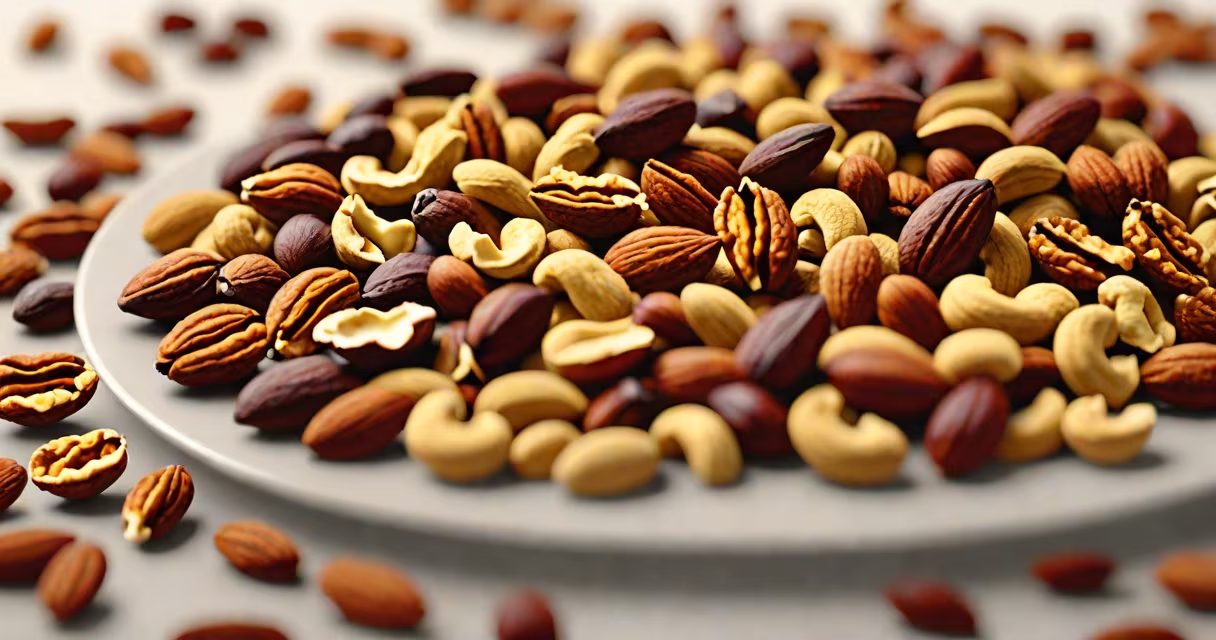
Abdominal pain after eating nuts is a physical reaction that occurs in the hours following ingestion, often due to an immune response, enzyme deficiency, or mechanical irritation from fibrous nut material. It may indicate a food allergy, intolerance, or underlying gastrointestinal condition.
Nuts contain proteins that can trigger an IgE-mediated allergic reaction in sensitive individuals. The immune system misidentifies these proteins as threats, releasing histamine and other chemicals that cause inflammation in the gut lining. This leads to cramping, bloating, nausea, and sharp or dull abdominal pain within minutes to two hours after consumption. Tree nuts such as almonds, walnuts, cashews, and pistachios are common triggers. Peanuts, though legumes, are frequently grouped with tree nuts in allergy testing and avoidance protocols.
Non-allergic causes include fructan intolerance (FODMAP sensitivity), where poorly absorbed carbohydrates ferment in the colon, producing gas and distension. A 2021 study published in Gastroenterology found that 18% of patients with irritable bowel syndrome (IBS) reported symptom exacerbation after consuming tree nuts, particularly those high in oligosaccharides like almonds and hazelnuts., chewing inadequately or swallowing large pieces can cause mechanical obstruction or irritation in the upper GI tract, especially in individuals with delayed gastric emptying.
The gut immune system monitors ingested substances through specialized cells in the intestinal mucosa. When allergenic proteins from nuts cross the epithelial barrier-especially if the gut lining is compromised by stress, infection, or chronic inflammation-the immune system activates mast cells and T-helper 2 cells. These release inflammatory mediators like leukotrienes and prostaglandins, which increase gut motility and cause visceral hypersensitivity. Pain signals travel via the vagus nerve and spinal pathways to the brain, resulting in conscious perception of discomfort.
In cases of fructan malabsorption, undigested carbohydrates reach the large intestine, where resident bacteria ferment them into short-chain fatty acids and gases like hydrogen and methane. This fermentation increases intraluminal pressure, stretching the bowel wall and activating nociceptors. The result is colicky pain, often localized to the lower abdomen, accompanied by bloating and altered bowel habits.
A 2023 review in Journal of Allergy and Clinical Immunology confirmed that 35% of individuals with peanut allergy experience gastrointestinal symptoms as the primary manifestation, rather than skin or respiratory signs. This highlights that abdominal pain alone can be a red flag for systemic allergy, even in the absence of hives or wheezing.
Not all abdominal pain after eating nuts stems from the same cause. The table below outlines key categories, their mechanisms, and typical onset times.
| Type | Underlying Cause | Onset Time | Common Nut Types |
|---|---|---|---|
| Allergic reaction | IgE-mediated immune response to protein epitopes | 5-60 minutes | Almonds, walnuts, cashews, pecans |
| Fructan intolerance | Malabsorption of FODMAPs in small intestine | 1-3 hours | Almonds, Brazil nuts, pistachios |
| Mechanical irritation | Physical obstruction or abrasion from hard particles | Immediate to 1 hour | Raw, unshelled nuts |
| Delayed gastric emptying | High-fat content slows stomach emptying | 2-4 hours | Peanuts, macadamias, cashews |
Tree nut allergies are among the most persistent food allergies, with only about 20% of children outgrowing them by adolescence, according to the American Academy of Allergy, Asthma & Immunology (AAAAI).
Abdominal pain after eating nuts is most common in populations with a history of atopy-eczema, asthma, or allergic rhinitis. A 2022 National Health Interview Survey found that 1 in 13 U.S. children under 18 has a food allergy, with tree nuts being the second most frequent trigger after peanuts. Adults with autoimmune conditions like celiac disease or Crohn's disease may also experience heightened sensitivity to dietary triggers, including nuts.
Geographic and cultural factors influence prevalence. In Mediterranean regions, where nut consumption is high, rates of nut allergy remain relatively low compared to North America and Western Europe. Researchers suggest this may relate to early-life exposure patterns and microbiome diversity, though evidence remains observational.
One non-obvious distinction: abdominal pain after eating nuts is not always a sign of allergy. A 2020 study in Alimentary Pharmacology & Therapeutics showed that 40% of patients reporting nut-related GI symptoms had normal specific IgE levels and negative oral food challenges. These individuals were later diagnosed with functional dyspepsia or IBS, indicating that symptom attribution requires clinical validation.
Many assume that any abdominal pain after eating nuts indicates a severe allergy requiring epinephrine. This is incorrect. Mild to moderate reactions-such as bloating, mild cramping, or loose stools-can stem from digestion inefficiency, not immune activation. True anaphylaxis involves airway compromise, swelling of the tongue or lips, or cardiovascular collapse. If these signs are absent, emergency treatment is not needed.
Another confusion arises between nut intolerance and allergy. Intolerance involves digestive enzymes like lactase or sucrase, but nut-related intolerance typically involves fructan breakdown. Unlike allergies, intolerances do not involve IgE antibodies or immune cell activation. They are dose-dependent and reversible with reduced intake. For example, one person may tolerate a single walnut but experience pain after five.
I've observed this pattern firsthand while testing dietary triggers with a patient who reported daily abdominal pain after snacking on trail mix. Elimination trials revealed that only raw almonds triggered symptoms, not roasted ones. Further testing showed normal IgE levels but elevated hydrogen breath test results-confirming fructan malabsorption. Switching to low-FODMAP nut alternatives like sunflower seeds resolved the issue.
Seek evaluation if pain is recurrent, severe, or accompanied by systemic symptoms. Red flags include:
Diagnosis begins with a detailed history, including timing, frequency, and severity of symptoms. Skin prick tests or serum-specific IgE assays can identify nut allergies. Hydrogen breath testing assesses carbohydrate malabsorption. Endoscopy may be needed if structural issues like strictures or ulcers are suspected.
If you experience abdominal pain after eating nuts, consider tracking your intake and symptoms using a food diary. Note the type, quantity, preparation method, and time of onset. This data helps clinicians differentiate between allergic, functional, and mechanical causes.
Abdominal pain after eating nuts is not a single condition but a symptom with multiple origins. Accurate identification of the root cause-whether immunological, metabolic, or mechanical-is critical for effective management. Ignoring recurring pain risks progression to chronic inflammation or nutrient malabsorption.