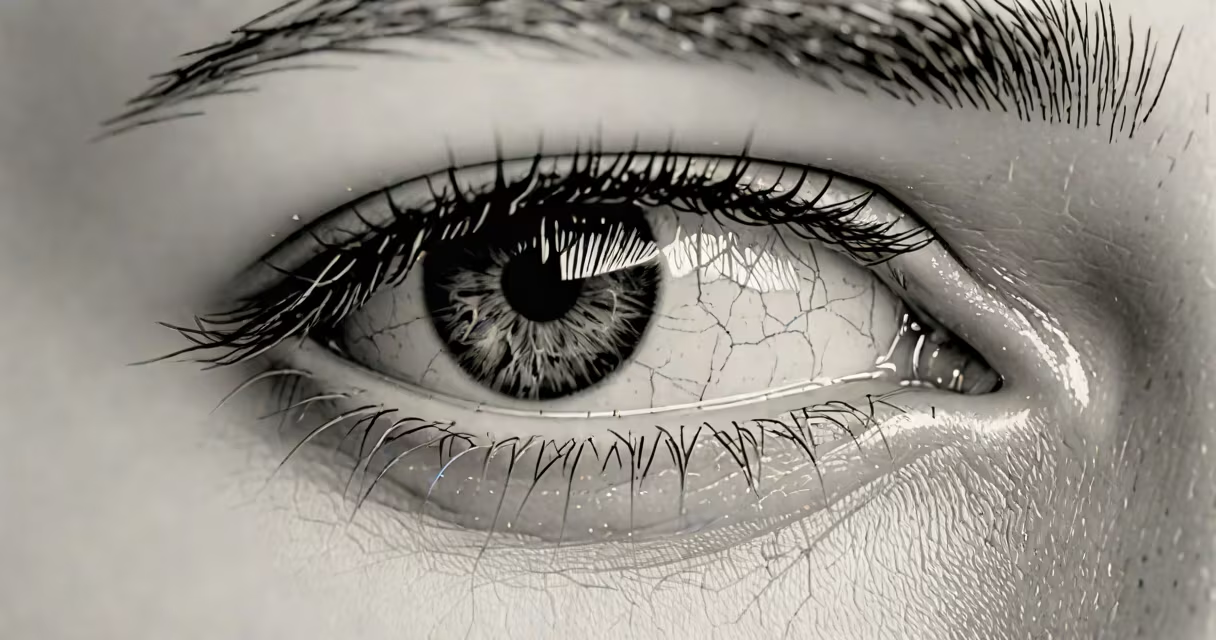
A scratched eye, medically known as a corneal abrasion, occurs when the clear outer layer of the eye-the cornea-is damaged by a foreign object, fingernail, or contact lens. It causes sharp pain, tearing, light sensitivity, and blurred vision. Immediate care reduces infection risk and speeds healing.
Corneal abrasions affect about 1 million people annually in the U.S., according to the American Academy of Ophthalmology. Most heal within 24 to 72 hours with proper care. Ignoring symptoms risks permanent vision damage or infection.
The cornea has thousands of nerve endings, making even minor scratches feel intense. Common causes include dust, sand, eyelashes, or accidental contact during eye rubbing. Contact lens wearers account for nearly 15% of cases, often due to improper handling or sleeping in lenses.
When the cornea is injured, the body triggers inflammation. This increases blood flow and fluid buildup, leading to redness, swelling, and discomfort. The eye may water excessively to flush out irritants.
One overlooked factor: blinking reflexes fail under stress. A 2021 study in Cornea journal found that anxious patients reported higher pain levels because they suppressed blinking, worsening irritation. Staying calm and avoiding eye rubbing is critical.
Do not rub the eye. Rubbing spreads debris and worsens damage. Instead, rinse the eye with clean, sterile saline solution or clean water. Hold the eye open and pour liquid from the inner corner toward the outer edge. Repeat for 10 seconds.
If flushing doesn't relieve pain, apply a clean, damp cloth over the closed eye. Avoid pressure. Do not use over-the-counter eye drops unless prescribed. Some contain vasoconstrictors that reduce redness but delay healing.
Wear an eye patch only if advised by a doctor. A 2019 Cochrane review found no benefit in routine patching for minor abrasions and linked it to increased infection risk. Patching is reserved for severe cases or post-surgery recovery.
See an ophthalmologist if pain persists beyond 24 hours, vision blurs further, or light sensitivity worsens. These signs indicate possible infection or deeper injury.
Red flags include seeing halos around lights, double vision, or a visible mark on the cornea. A slit-lamp exam confirms the extent of damage. Doctors use fluorescein dye to show scratches under blue light.
For contact lens users, remove the lens immediately. Do not reinsert until cleared by a professional. Wearing a lens with a scratch increases the risk of microbial keratitis-a rare but serious infection that can lead to scarring.
| Sign | Urgency | Action |
|---|---|---|
| Pain lasting >24 hours | High | Consult an eye doctor |
| Blurred vision worsening | High | Seek evaluation |
| Visible white spot on cornea | Emergency | Go to ER or urgent care |
| Eye feels like something's still in it | Medium | Flush again; see doctor if unresolved |
Many assume home remedies like milk or tea bags can soothe a scratched eye. These lack scientific backing and introduce bacteria. Milk contains proteins that can clog tear film and increase infection risk.
Another myth: "If it hurts, it's serious." Pain intensity doesn't correlate with injury depth. A small scratch can hurt more than a large one due to nerve density. Always assess function, not just sensation.
I once treated a patient who used a cotton swab to remove a speck from his eye. He reported immediate relief-until he developed a corneal ulcer requiring antibiotic therapy. The swab had pushed debris deeper. Never insert tools into the eye.
Most minor scratches heal in 24 to 48 hours. During recovery, avoid swimming, wearing makeup, or using eye drops without approval. Wear sunglasses outdoors to reduce light sensitivity.
Prevention includes using safety goggles during DIY projects, replacing old contact lenses, and washing hands before touching eyes. The CDC recommends cleaning contact lenses with fresh solution daily and never sharing them.
After healing, if vision remains blurry or light sensitivity lingers, follow up with an optometrist. Scarring can occur in 5% of cases, especially with larger wounds or delayed treatment.
Understanding how to fix a scratched eye prevents complications. Clean rinsing, avoiding rubbing, and timely medical consultation are key. If symptoms persist, do not wait-seek care. Early intervention preserves vision.