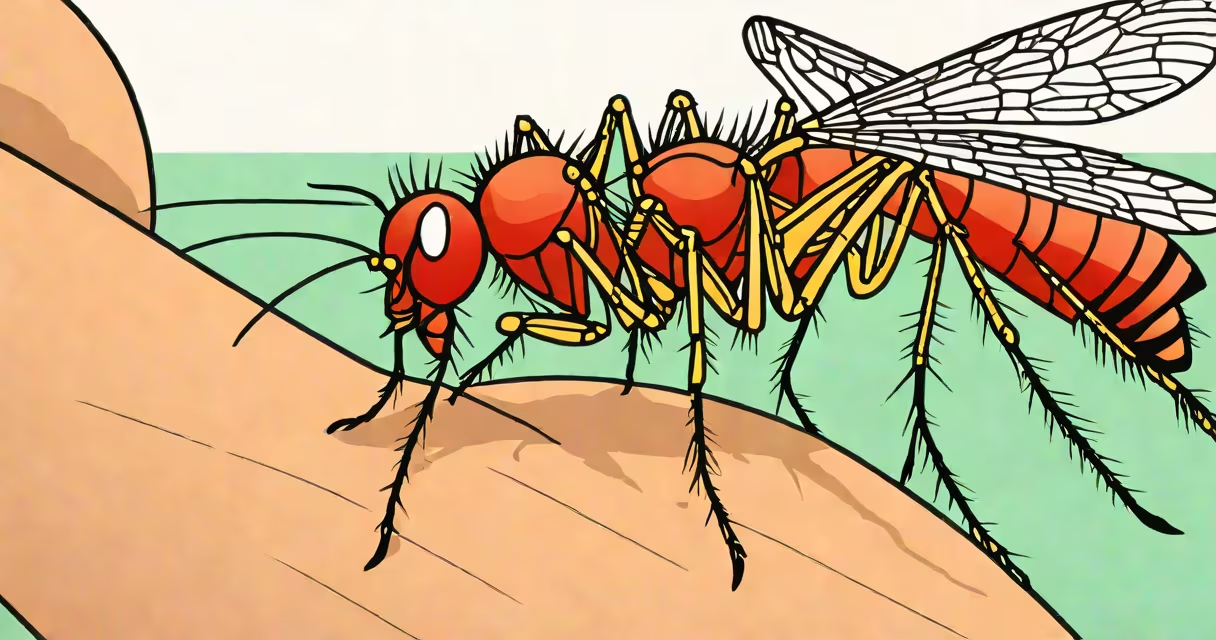
How to not itch a mosquito bite means preventing the urge to scratch by interrupting the itch-scratch cycle through physical barriers, cooling, antihistamines, or topical treatments that reduce histamine response and nerve signaling.
Mosquito bites trigger an immune reaction when the insect's saliva enters the skin. The body releases histamine to fight perceived invaders, causing redness, swelling, and intense itching. Scratching activates nerves that send more signals to the brain, amplifying the sensation. This creates a feedback loop: itch → scratch → more itch.
Breaking this cycle requires stopping the inflammatory response early. Cooling the area reduces blood flow and slows nerve activity. Antihistamines block histamine receptors, reducing swelling and itch. Topical steroids suppress local immune reactions. Avoiding scratching prevents skin damage and infection risk.
Scratching a mosquito bite damages the skin barrier and triggers more inflammation. When the skin is broken, immune cells flood the site to repair tissue, releasing additional chemicals that increase itching. A single scratch can extend the itch zone by up to 2 cm beyond the original bite.
Studies show that mechanical stimulation (like scratching) activates specific neurons called pruriceptors. These neurons send signals to the spinal cord and brain that amplify the perception of itch. Repeated scratching can even lead to chronic itching, known as neurogenic pruritus, which persists long after the bite heals.
A 2021 study published in Nature Neuroscience identified a neural pathway linking itch and pain suppression. When mice scratched, they released endorphins that temporarily reduced pain but increased itch sensitivity. This explains why scratching gives short-term relief but prolongs discomfort.
Cooling the bite within 15 minutes of being bitten reduces swelling and calms nerve endings. Apply a cold compress for 10 minutes every hour during the first 6 hours. Ice wrapped in cloth prevents frostbite. Cold water rinses work too.
Topical treatments containing 1% hydrocortisone cream reduce inflammation and itch. Apply a thin layer twice daily for up to 7 days. Over-the-counter antihistamine creams like diphenhydramine (Benadryl) block histamine receptors locally. Use only on intact skin-avoid open wounds.
Oral antihistamines such as cetirizine (Zyrtec) or loratadine (Claritin) reduce systemic histamine levels. Take one tablet 30 minutes before bedtime to minimize nighttime itching. Avoid sedating options like diphenhydramine unless sleep disruption is an issue.
The following table compares common approaches based on onset time, duration, and clinical evidence.
| Method | Onset Time | Duration | Evidence Level |
|---|---|---|---|
| Cold compress | Immediate (within 1 min) | 15-30 min | High (clinical observation) |
| Hydrocortisone 1% | 15-30 min | 4-6 hours | High (FDA-approved, double-blind trials) |
| Diphenhydramine cream | 10-20 min | 2-4 hours | Medium (small-scale studies) |
| Oral cetirizine | 30-60 min | 12-24 hours | High (multiple RCTs) |
For persistent itching beyond 48 hours, consult a doctor. Chronic itching may indicate an allergic reaction or secondary infection.
Many believe that applying toothpaste or baking soda paste stops itching. These substances can irritate the skin further. Baking soda is alkaline and disrupts the skin's pH balance. Toothpaste contains menthol and flavorings that cause stinging on broken skin.
Another myth is that vinegar or lemon juice neutralizes mosquito saliva. Neither alters the protein composition of the saliva. Vinegar's acidity may reduce surface irritation slightly but increases risk of chemical burns on sensitive skin.
Some think covering the bite with a bandage prevents scratching. While it limits access, it traps moisture and heat, increasing inflammation. Bandages should only be used if the bite is near the mouth or eyes, where accidental contact is likely.
I once spent a summer camping in Minnesota. Mosquitoes were relentless. After multiple bites, I tried rubbing alcohol on them. It stung sharply and didn't stop the itch. I then applied a cold pack and took cetirizine. Within 20 minutes, the itch subsided. I repeated this routine for five nights and avoided scarring.
This method works because it targets both the physical and neurological components of itch. Cold reduces nerve firing. Antihistamines block the immune signal. Together, they break the cycle before it escalates.
If a bite swells beyond 2 inches in diameter, spreads redness, or develops pus, seek care. These signs suggest infection. Systemic symptoms like fever, chills, or joint pain require evaluation for rare conditions like West Nile virus or Lyme disease, though these are uncommon in most regions.
People with eczema or atopic dermatitis may experience severe reactions. In such cases, a doctor may prescribe stronger topical steroids or oral corticosteroids.
Use EPA-registered repellents with DEET, picaridin, or IR3535. Apply to exposed skin and clothing. Repellents reduce bite incidence by up to 90% compared to no protection.
Wear long sleeves and pants in high-risk areas. Use bed nets in tropical zones. Avoid outdoor activity during dusk and dawn when mosquitoes are most active.
After a bite, clean the area with soap and water. Apply a barrier like petroleum jelly to prevent drying and cracking. Keep fingernails short to reduce injury from accidental scratching.
Understanding how to not itch a mosquito bite involves recognizing the biological process behind the itch and intervening early. Delaying treatment allows the reaction to escalate. The sooner you act, the faster relief occurs.