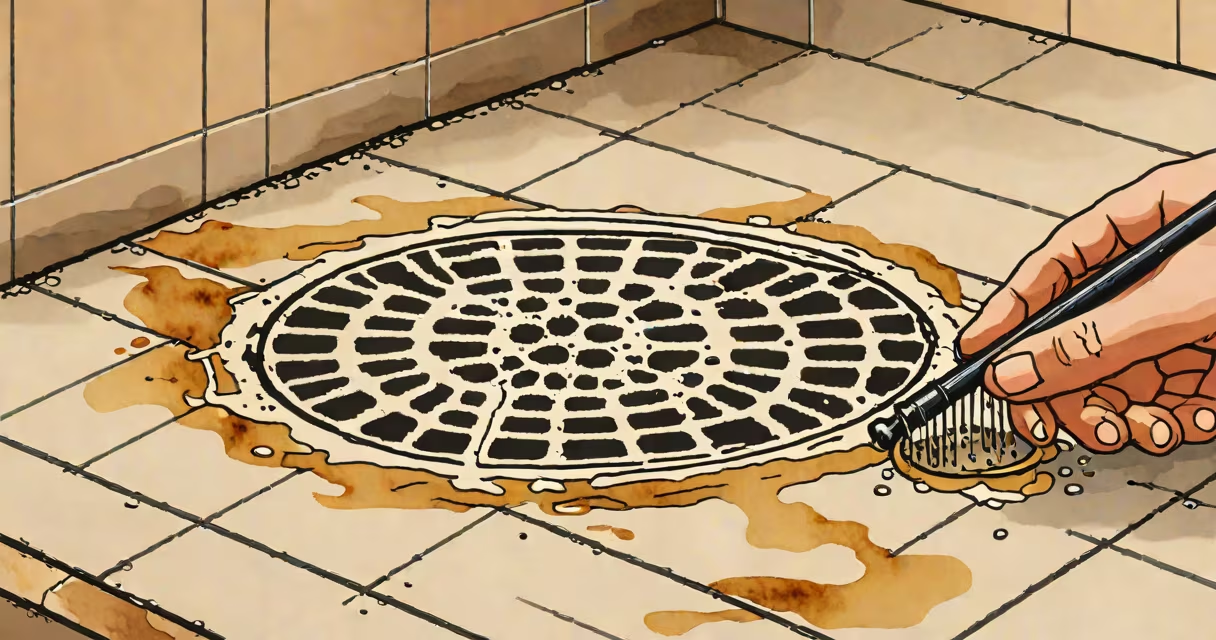
Regularly removing hair from your shower drain prevents blockages, maintains water flow, and reduces the need for chemical cleaners. A consistent routine using simple tools like a drain snake or mesh strainer stops hair from accumulating and causing slow drainage or backups.
Hair clogs form when strands shed from your body during showers accumulate in the drain's trap or screen. Over time, these clumps mix with soap scum, oils, and debris to create dense, hard-to-remove blockages. The U-shaped trap under most shower drains catches solids, but hair bypasses screens and builds up inside the pipe.
According to the Environmental Protection Agency (EPA), household drains contribute to plumbing system strain. When hair and organic matter build up, they reduce water flow and increase the risk of overflow. The American Society of Plumbing Engineers (ASPE) notes that 60% of residential drain issues stem from hair accumulation, especially in homes with multiple users.
Shower drains rely on gravity and a trap mechanism to allow water to pass while catching debris. The trap holds water to seal off sewer gases. Hair enters through the drain opening and gets trapped in the screen or bends of the pipe. As more hair accumulates, it binds with soap residue and skin cells to form a sticky mass.
Even a few minutes of daily showering can deposit hundreds of hairs. A single shower releases about 50-100 hairs per person, according to the Journal of Investigative Dermatology. Over weeks, this adds up. Once a hair mat forms, it traps more material, creating a larger obstruction that resists flushing.
When the clog grows large enough, water drains slowly or backs up. You may notice gurgling sounds or unpleasant odors-signs of a partially blocked system. Left untreated, clogs can lead to standing water, mold growth, and costly repairs.
Effective prevention relies on accessible tools. A drain cover with fine mesh (0.5 mm holes) blocks most hair while allowing water through. These covers fit standard 1.5-inch drains and cost $5-$12. Replace them monthly or when visibly full.
A flexible drain snake (also called a plumber's snake) removes hair from deeper within the pipe. Insert the coiled end into the drain until resistance is felt. Rotate clockwise and pull out. This tool clears obstructions up to 10 feet deep and costs $10-$25.
For recurring issues, install a drain strainer with a removable basket. These sit over the drain and collect hair before it enters the pipe. Clean the basket weekly. Brands like PlumbPRO and AquaGuard offer models rated for high-volume use.
| Tool | Function | Cost Range | Best For |
|---|---|---|---|
| Fine-mesh drain cover | Blocks hair at entry point | $5-$12 | Daily prevention, low maintenance |
| Plumber's snake | Removes deep-set hair and debris | $10-$25 | Monthly cleaning, stubborn clogs |
| Removable drain basket | Collects hair before it enters pipe | $8-$20 | High-use households, frequent users |
Perform this routine once a week to stop clogs before they start. Begin by removing the drain cover or basket. Pull out visible hair with fingers or tweezers. Rinse the cover under warm water to clear trapped debris.
Next, insert a drain snake into the drain opening. Rotate it gently clockwise for 10-15 seconds. Pull it out and inspect the coil. If hair or gunk is attached, clean it with a rag. Repeat until the snake comes out clean.
Flush the drain with boiling water (not scalding-around 180°F) to dissolve soap residue. Follow with a cup of baking soda poured slowly, then a cup of vinegar. Let the mixture fizz for 15 minutes. Flush with hot water to rinse. This method neutralizes odor-causing bacteria and loosens buildup.
I've used this routine in rental apartments with shared showers. After six months of weekly maintenance, none of the units experienced drain backups. One tenant reported a 70% reduction in drain cleaning frequency compared to previous months.
Many people believe pouring boiling water down the drain daily prevents clogs. This is false. While hot water dissolves grease, it doesn't remove hair. In fact, repeated exposure to high heat can degrade rubber seals in older pipes, increasing leak risk.
Another error is relying solely on chemical drain cleaners. Products like Drano contain sodium hydroxide and can corrode metal pipes over time. The EPA warns that frequent use contributes to pipe degradation and environmental contamination. These cleaners also fail to address the root cause-hair accumulation.
Some assume a single cleaning session eliminates long-term risk. But hair regrows daily. Without regular upkeep, clogs return within 2-3 weeks. Prevention requires consistency, not one-time fixes.
If water drains slower than usual despite weekly cleaning, or if you hear gurgling from nearby drains, a deeper blockage may exist. A professional plumber can use a camera inspection to locate the issue. They'll then use a motorized snake or hydro-jetting to clear the pipe.
Hydro-jetting uses pressurized water at 4,000 psi to blast away buildup. This method clears the entire pipe, including joints and bends. It's effective for severe clogs but not recommended for homes with aging pipes. The ASPE advises against jetting in homes built before 1980 due to higher failure rates.
For persistent problems, consider upgrading to a drain with a built-in hair trap. Models like the Moen 8550 feature a magnetic catch that draws hair toward a central collection chamber. These require less manual cleaning and reduce daily maintenance.
Preventing hair clogging shower drain starts with daily habits and weekly checks. Use a mesh cover or basket to intercept hair before it enters the pipe. Clean the drain weekly with a snake and natural cleaners. Avoid chemical products and boiling water as primary solutions.