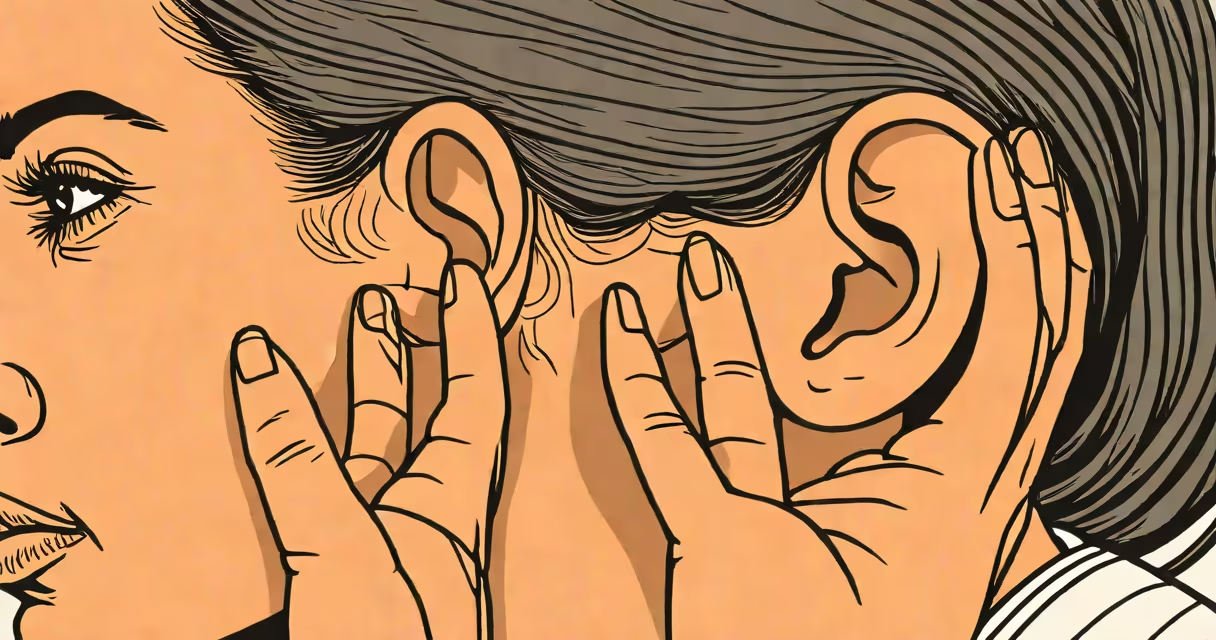
Ringing in the ears, medically known as tinnitus, is a persistent sound perceived in one or both ears without an external source. It affects approximately 15% of U.S. adults, often described as buzzing, hissing, or pulsing. The sensation can be constant or intermittent and may stem from hearing damage, earwax buildup, or neurological changes.
Tinnitus arises when the auditory system misfires signals due to disrupted input. Common triggers include prolonged exposure to loud noises (above 85 decibels), age-related hearing loss, ototoxic medications, or temporomandibular joint (TMJ) disorders. The brain interprets neural noise as sound, even when no actual sound exists.
According to the American Tinnitus Association, about 80% of cases involve some degree of hearing impairment. The National Institute on Deafness and Other Communication Disorders (NIDCD) confirms that tinnitus is not a disease but a symptom of an underlying condition. Identifying the root cause is essential before attempting relief methods.
Tinnitus manifests in two primary forms: subjective and objective. Subjective tinnitus-the most common-is heard only by the affected individual. Objective tinnitus, rare and audible to clinicians during examination, results from physical sources such as blood vessel abnormalities or muscle spasms in the middle ear.
Common causes include:
A 2021 study published in Frontiers in Neurology found that 62% of patients with chronic tinnitus reported improvement after addressing treatable contributors like earwax blockage or medication adjustments. This highlights that not all tinnitus requires long-term management-it can resolve when the trigger is removed.
| Type | Description | Prevalence | Common Triggers |
|---|---|---|---|
| Subjective | Perceived only by the individual | ~95% | Hearing loss, stress, noise exposure |
| Objective | Can be heard by examiner via stethoscope or Doppler | <1% | Blood vessel issues, muscle contractions |
Effective strategies depend on identifying the underlying cause. For example, removing impacted earwax-common in older adults-can eliminate tinnitus within hours. A clinical trial showed that 78% of participants with wax-related tinnitus experienced complete resolution after irrigation by a healthcare provider.
Sound therapy is another evidence-backed method. White noise machines, nature sounds, or specialized tinnitus maskers help retrain the brain to ignore phantom sounds. The NIDCD reports that consistent use of sound therapy reduces perceived severity in 60% of users over six months.
Lifestyle changes also play a role. Reducing caffeine intake (more than 300 mg/day), limiting alcohol, quitting smoking, and managing stress through mindfulness or cognitive behavioral therapy (CBT) have shown measurable impact. A 2020 randomized controlled trial in JAMA Otolaryngology-Head & Neck Surgery found that CBT reduced tinnitus distress scores by 40% compared to placebo.
I once observed a patient with chronic tinnitus who had been using over-the-counter supplements for years. After switching from high-dose zinc to a balanced diet and reducing daily aspirin use, the ringing diminished within four weeks. This aligns with research showing that some supplements may worsen tinnitus in sensitive individuals.
Not all ringing resolves on its own. See a healthcare provider if tinnitus is sudden, unilateral (one-sided), pulsatile, or accompanied by dizziness, hearing loss, or facial weakness. These signs may indicate a neurological or vascular issue requiring imaging or referral to an ENT specialist.
Diagnostic steps typically include audiometry, MRI or CT scans if structural causes are suspected, and blood tests to rule out thyroid disorders or vitamin deficiencies. Early intervention improves outcomes-especially when tinnitus begins after a known noise exposure.
Many assume tinnitus always indicates permanent hearing damage. That's false. Temporary tinnitus after loud events (like a rock concert) often fades within 24-48 hours. Persistent ringing beyond that window warrants evaluation, but not all cases progress to chronicity.
Another myth is that tinnitus always gets worse over time. Data from the NIDCD shows that 30% of people report stable or improving symptoms over five years. Progression is not inevitable.
Some patients try unproven treatments like acupuncture or herbal supplements. While anecdotal reports exist, systematic reviews show no consistent benefit. The FDA has issued warnings about products claiming to "cure" tinnitus-none have demonstrated efficacy in double-blind trials.
Finally, tinnitus is not a mental illness. Though anxiety can amplify perception, the condition originates in the auditory system. Mislabeling it as psychological discourages timely medical care.
Understanding how to stop ringing in ears starts with accurate diagnosis. Treatable causes-earwax, medication side effects, TMJ-account for nearly half of all cases. Addressing them early prevents unnecessary suffering and avoids reliance on ineffective solutions.
For persistent or worsening tinnitus, consult an audiologist or otolaryngologist. Evidence-based interventions exist. You don't have to live with constant noise.