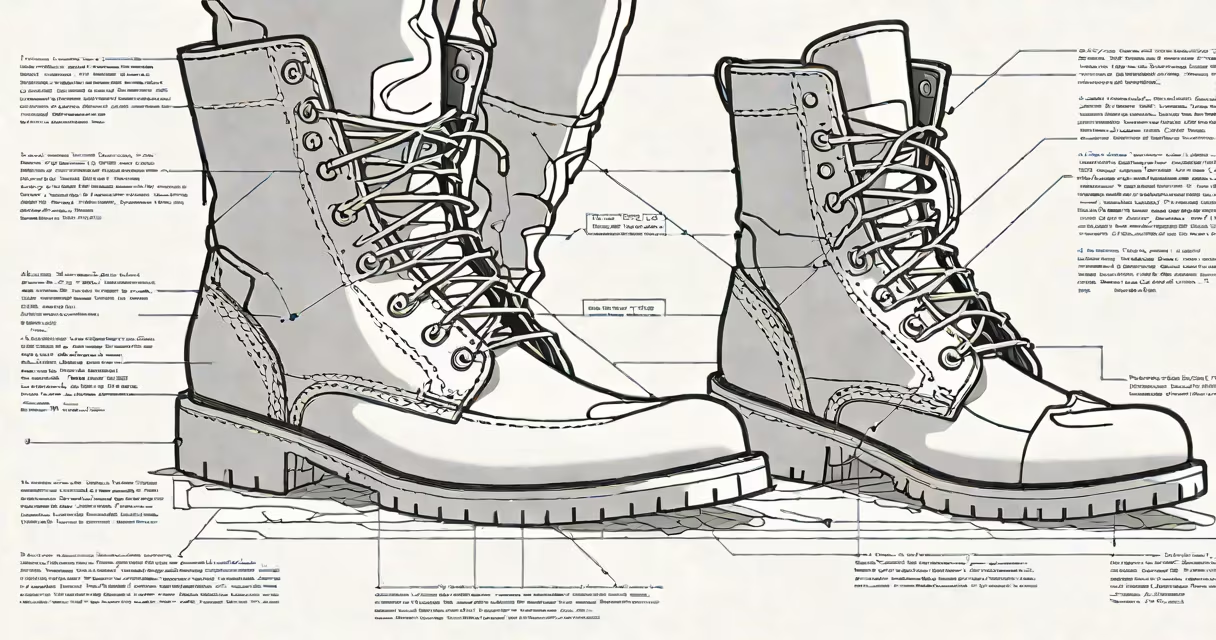
Boots are too big when they allow excessive movement inside the shoe, especially at the heel and forefoot, leading to instability, friction, and long-term foot fatigue. A proper fit keeps the foot centered without slipping or squeezing.
When boots are oversized, your foot shifts during walking, causing the heel to lift off the back of the shoe. This creates friction against the skin, forming blisters or calluses. The toes also compress against the front of the boot, which can lead to pain, numbness, or deformities like hammertoes over time.
According to the American Podiatric Medical Association, ill-fitting footwear contributes to nearly 50% of foot problems seen in clinical practice. Poorly sized boots are a common culprit-especially during seasonal shopping when people prioritize style over function.
Proper boot fit begins with measuring both foot length and width. Most boots are sized using a standard US scale, but widths vary between brands. A boot that fits snugly at the instep but allows heel slippage still counts as too big.
Stand upright while wearing the boots. There should be about a thumb's width (about ¾ inch) of space between the longest toe and the front of the boot. If your toes touch the end, the boot is too short. If they don't touch and you feel loose movement, it's likely too long.
Heel slippage is the most reliable indicator of oversizing. When you walk, the heel should stay locked in place. If it lifts more than ¼ inch during stride, the boot is too large. This motion increases wear on the shoe's inner lining and raises injury risk.
Boot size problems fall into three categories: length, width, and depth. Each causes distinct symptoms and requires different fixes.
| Fitting Issue | Common Signs | Root Cause |
|---|---|---|
| Too long | Toes hit front; heel lifts; foot slides forward | Incorrect length sizing; brand-specific sizing differences |
| Too wide | Foot wobbles side-to-side; blisters on sides of foot | Wide foot not accounted for; narrow last design |
| Too shallow | Arch pressure; toes cramp; discomfort after 15 minutes | Low-cut shaft; lack of depth in upper construction |
Many people assume "one size fits all" applies to boots. But a 2022 study by the University of Delaware's Center for Foot and Ankle Research found that 68% of men and 73% of women wore shoes that were either too tight or too loose. Over 40% reported foot pain linked to improper fit.
Some brands use narrow lasts (shoe molds), making their boots run small. Others use wider lasts, meaning the same US size may differ between manufacturers. Always check the specific brand's size chart-not just the numerical size.
I once bought a pair of leather work boots labeled size 10.5. They felt fine at the store, but after two hours of standing, my heels lifted with every step. By the end of the day, I had a blister behind the left heel. I returned them and discovered the brand ran half a size small. That single mismatch caused hours of discomfort.
Another frequent error: assuming boots stretch over time. While some materials like leather do stretch slightly, they won't compensate for a size difference larger than half a size. A boot that's half a size too big may feel acceptable initially but becomes unstable after a few wears.
Many shoppers ignore the importance of trying boots on later in the day. Feet swell by up to 10% during the day due to gravity and activity. Trying boots at noon rather than morning ensures a more accurate fit. The American Academy of Orthopaedic Surgeons recommends testing footwear between 2 PM and 5 PM for optimal results.
If you already own boots that are too big, several solutions exist-but none replace proper sizing. Insoles designed for heel support can reduce slippage. Heel grips or silicone inserts fit inside the back of the boot to prevent heel lift. These are temporary fixes and don't correct structural misfit.
For long-term comfort, always try boots on with the socks you plan to wear. Thick winter socks can increase volume by up to ⅛ inch per sock layer. Wearing thin socks during fitting leads to false confidence in fit.
When buying online, consult the retailer's size guide and read customer reviews mentioning fit. Look for phrases like "runs large," "true to size," or "needs to be sized down." One Amazon review for a popular hiking boot noted: "I'm a 10.5 and ordered a 10.5-they're too big. Size down to 10." That feedback saved me from a similar mistake.
Finally, remember that boot fit isn't just about size-it's about function. A boot that fits well supports the arch, stabilizes the ankle, and allows natural foot motion. If your boots don't meet those criteria, even a perfect size won't prevent discomfort.
Understanding how to tell if boots are too big prevents pain, injury, and wasted money. Focus on heel stability, toe clearance, and lateral control. If any of these fail, the boot is too big-even if the size label says otherwise.