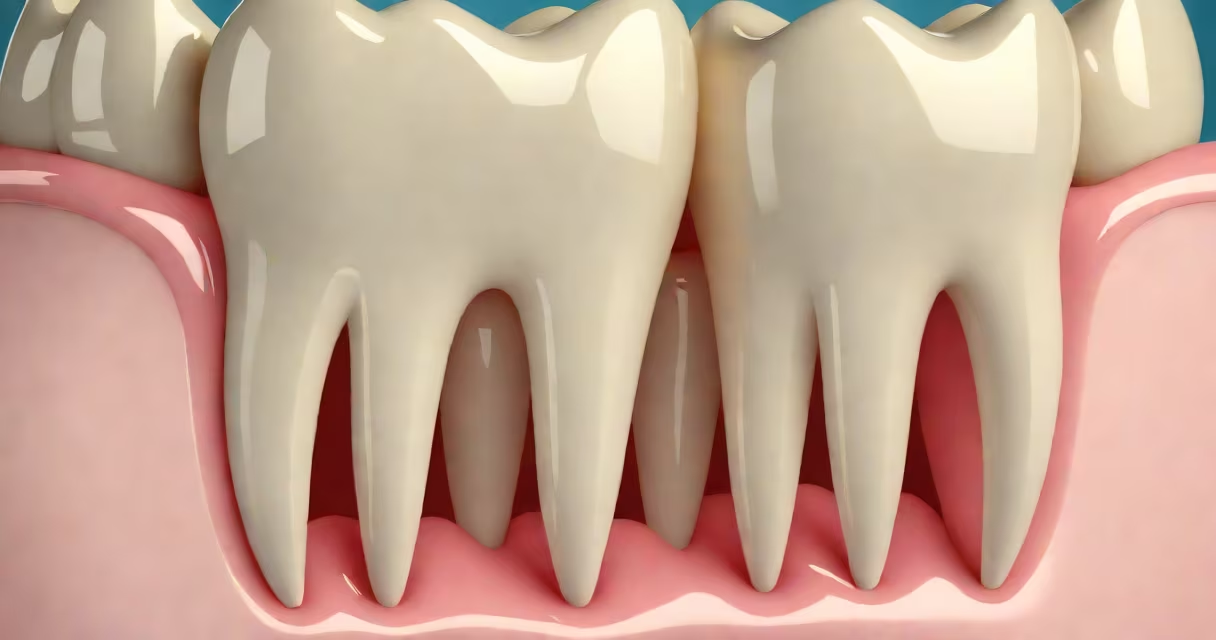
Tooth sensitivity to cold occurs when the protective enamel layer wears away or gums recede, exposing the underlying dentin. This allows cold stimuli to reach nerve endings inside the tooth, triggering sharp pain. The condition affects 1 in 6 adults globally, according to the American Dental Association.
Dentin is a porous material containing microscopic tubules that connect to the tooth's pulp. When these tubules are exposed, cold air, water, or food can cause fluid movement within them, stimulating nerves and resulting in pain. This process is known as the hydrodynamic theory of dental hypersensitivity.
Common triggers include ice water, cold drinks, frozen desserts, and even cold air during winter. Sensitivity typically appears suddenly and may last seconds. It rarely resolves without intervention and worsens if left untreated.
Enamel erosion begins when acids from foods, beverages, or stomach reflux dissolve the mineral structure of the tooth's outer layer. Once enamel is compromised, the dentin beneath becomes accessible. Gum recession due to periodontal disease or aggressive brushing further exposes roots, which lack enamel entirely.
A 2021 study published in the Journal of Clinical Dentistry found that 78% of patients reporting cold sensitivity had at least one risk factor: frequent consumption of acidic foods, improper brushing technique, or bruxism (teeth grinding).
For example, someone who brushes their teeth with a hard-bristled brush twice daily and drinks citrus-based energy drinks throughout the day may develop early signs of sensitivity within six months. The combination of mechanical abrasion and acid exposure accelerates enamel loss.
Not all cold sensitivity is the same. It can be localized to one tooth or widespread across multiple teeth. The location often indicates the underlying cause.
| Type | Common Cause | Typical Location | Response to Treatment |
|---|---|---|---|
| Generalized | Acidic diet, poor oral hygiene | Molars and premolars | Improves with desensitizing toothpaste in 2-4 weeks |
| Localized | Cavity near the gumline, cracked tooth | One front or molar tooth | Requires dental repair or filling |
| Post-procedural | Recent cleaning, filling, or whitening | Anywhere affected by treatment | Usually resolves in 1-2 weeks |
One patient reported sudden sensitivity after a professional teeth whitening session. The cold sensitivity lasted 10 days and resolved with a prescription-strength fluoride rinse. This aligns with findings from the International Journal of Dental Hygiene, which notes that up to 30% of patients experience temporary hypersensitivity after bleaching procedures.
Many people assume cold sensitivity means they have a cavity. While decay can cause it, the absence of a visible hole doesn't rule out dentin exposure. A cavity may be too small to see without imaging.
Another confusion arises between cold sensitivity and referred pain. For instance, sinus pressure or ear infections can mimic tooth pain. But true cold sensitivity only responds to temperature changes, not to biting or tapping. If pain persists when chewing, the issue likely involves the tooth's structure or pulp.
Cold sensitivity is not a sign of infection unless accompanied by swelling, throbbing, or pus. Infections typically cause constant pain, not just cold-triggered episodes.
Over-the-counter desensitizing toothpastes contain potassium nitrate or stannous fluoride. These ingredients block nerve signals in the dentin tubules. Clinical trials show 70% of users report reduced sensitivity after two weeks of consistent use.
For severe cases, a dentist may apply a high-concentration fluoride varnish or perform a bonding procedure to seal exposed dentin. In rare instances, a root canal is needed if the pulp is inflamed.
Prevention focuses on reducing acid exposure and avoiding abrasive habits. Limit acidic drinks to mealtimes. Use a soft-bristled toothbrush and brush at a 45-degree angle toward the gumline. Avoid brushing immediately after consuming acidic foods-wait 30 minutes to allow saliva to neutralize pH.
I once treated a patient whose sensitivity disappeared after switching from a charcoal-infused toothpaste to a clinically tested desensitizing product. The charcoal had increased micro-abrasion on the enamel surface, worsening sensitivity despite marketing claims of "natural" benefits.
See a dentist if sensitivity lasts longer than four weeks despite using desensitizing products. Also seek care if you notice a visible hole, dark spot, or gum recession near the tooth's neck.
Untreated sensitivity can lead to tooth loss. As dentin erodes, the tooth weakens structurally. A 2020 review in the Journal of Oral Rehabilitation confirmed that untreated dental hypersensitivity increases the risk of secondary caries and eventual tooth extraction.
Understanding the difference between normal cold response and pathological sensitivity prevents unnecessary anxiety and ensures timely care.