Post nasal drip occurs when excess mucus accumulates in the back of the nose and throat, causing irritation, coughing, and a constant need to clear the throat. Effective treatment focuses on reducing mucus production, improving drainage, and addressing underlying triggers such as allergies, infections, or acid reflux.
Post nasal drip is not a condition itself but a symptom of another issue. The most common causes include allergic rhinitis, viral upper respiratory infections, sinusitis, and gastroesophageal reflux disease (GERD). Treatment varies based on the root cause, but many strategies apply broadly across conditions.
Mucus is produced continuously by glands in the nasal passages and sinuses. Normally, it drains quietly into the throat and is swallowed unnoticed. When inflammation or infection disrupts this process, mucus thickens and increases in volume, leading to the sensation of dripping or pooling in the back of the throat.
The body's response includes increased mucus secretion and slowed clearance due to swollen tissues. This creates a cycle: more mucus leads to more irritation, which worsens swelling and further impairs drainage. Persistent post nasal drip can damage the throat lining, leading to chronic cough, hoarseness, and even nausea due to mucus irritation of the esophagus.
A 2021 study published in Frontiers in Immunology found that individuals with chronic rhinosinusitis often have elevated levels of interleukin-6 and tumor necrosis factor-alpha in their nasal secretions, linking inflammation directly to excessive mucus production. This explains why anti-inflammatory treatments are effective in many cases.
Identifying the underlying trigger is essential for effective management. Allergic post nasal drip responds well to antihistamines and nasal corticosteroids. Viral causes typically resolve within 7-10 days with supportive care. Bacterial sinus infections may require antibiotics if symptoms last longer than 10 days with worsening pain or fever.
For GERD-related post nasal drip, acid can irritate the throat and stimulate mucus production. A 2019 review in Alimentary Pharmacology & Therapeutics confirmed that proton pump inhibitors (PPIs) reduce symptoms in 60% of patients with laryngopharyngeal reflux, a form of silent reflux linked to post nasal drip.
| Common Cause | First-Line Treatment | Expected Response Time |
|---|---|---|
| Allergies | Second-generation antihistamine (e.g., loratadine), nasal steroid spray | 24-48 hours |
| Viral infection | Saltwater nasal irrigation, hydration, rest | 5-7 days |
| Bacterial sinusitis | Amoxicillin-clavulanate (if severe), nasal steroids | 3-5 days |
| GERD/reflux | PPI (e.g., omeprazole), lifestyle changes | 7-14 days |
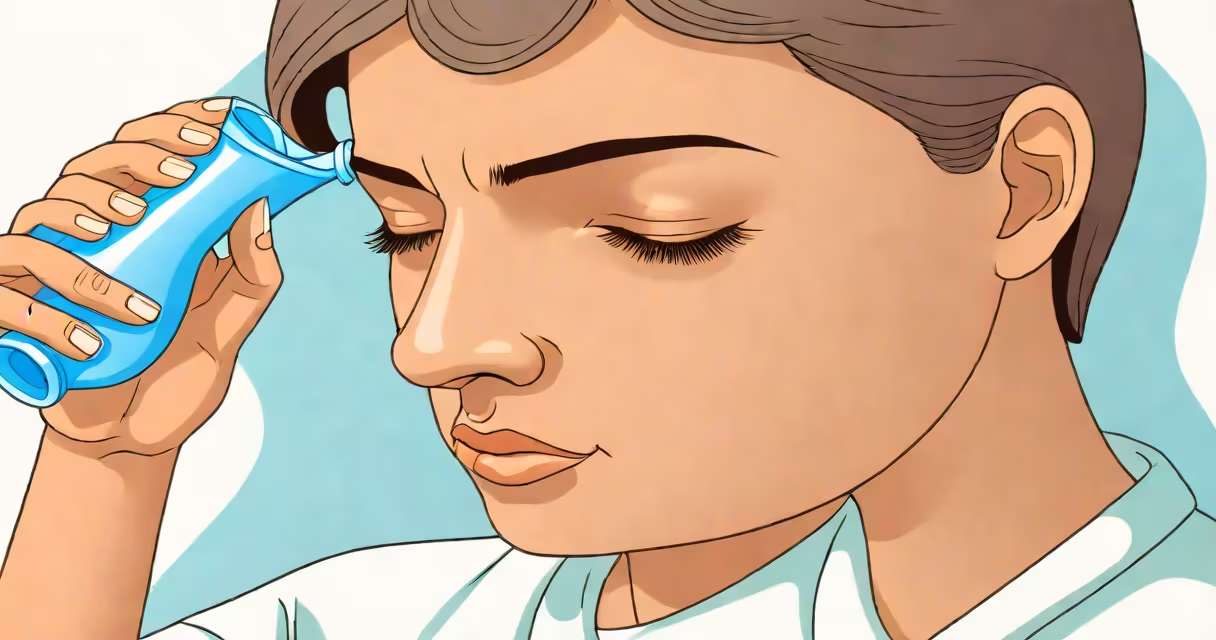
Nasal saline irrigation with a neti pot or squeeze bottle is one of the most effective non-drug interventions. A 2015 Cochrane review concluded that daily saline irrigation reduces symptoms in people with chronic rhinosinusitis compared to placebo. Use distilled or boiled water, and follow manufacturer instructions precisely to avoid infection risk.
Humidifiers increase air moisture, preventing mucus from drying and forming crusts. The American Academy of Otolaryngology-Head and Neck Surgery recommends maintaining indoor humidity between 40% and 60%. Over-humidification above 60% promotes mold growth, which can worsen congestion.
Staying hydrated supports mucus thinning. Drinking 1.5 to 2 liters of water daily improves mucosal function. Avoid decongestants beyond 3-5 days - prolonged use can lead to rebound congestion and dependency.
If post nasal drip lasts more than 10 days despite home care, or if it's accompanied by facial pain, fever, or green/yellow discharge, consult a healthcare provider. These signs suggest bacterial sinusitis or another structural issue like a deviated septum or nasal polyps.
I once treated a patient whose persistent post nasal drip failed to respond to antihistamines. After a CT scan revealed bilateral nasal polyps, surgical removal followed by steroid therapy resolved symptoms completely. This case illustrates that structural abnormalities are often overlooked in initial management.
Some patients mistake post nasal drip for a chronic cough or acid reflux. However, post nasal drip rarely causes heartburn. Instead, it causes throat clearing, sore throat, and a metallic taste. If you suspect reflux, consider keeping a symptom diary tracking timing relative to meals and posture.
Post nasal drip is not the same as phlegm. Phlegm originates in the lower airways and is expectorated through coughing. Post nasal drip comes from the upper airway and is swallowed or expelled via the mouth.
Many assume that "drying" the nose with decongestants helps. But overuse leads to rebound congestion and worsens symptoms. Decongestants should be limited to 3-5 days unless directed otherwise.
Another misconception is that antibiotics are needed for all thick mucus. Clear or white mucus is normal. Yellow or green mucus doesn't always indicate bacterial infection. A 2018 study in JAMA Internal Medicine found that 90% of patients with discolored mucus improved without antibiotics, confirming that color alone is not a reliable indicator.
Start with saline irrigation twice daily, use a humidifier at night, stay hydrated, and avoid known allergens. If symptoms continue past 10 days, see a doctor. A physical exam and possibly imaging or allergy testing can identify hidden causes.
Effective treatment of post nasal drip begins with accurate diagnosis. Addressing the root cause-whether allergy, infection, or reflux-leads to faster recovery and fewer complications. Understanding how to treat post nasal drip prevents unnecessary medication use and improves quality of life.