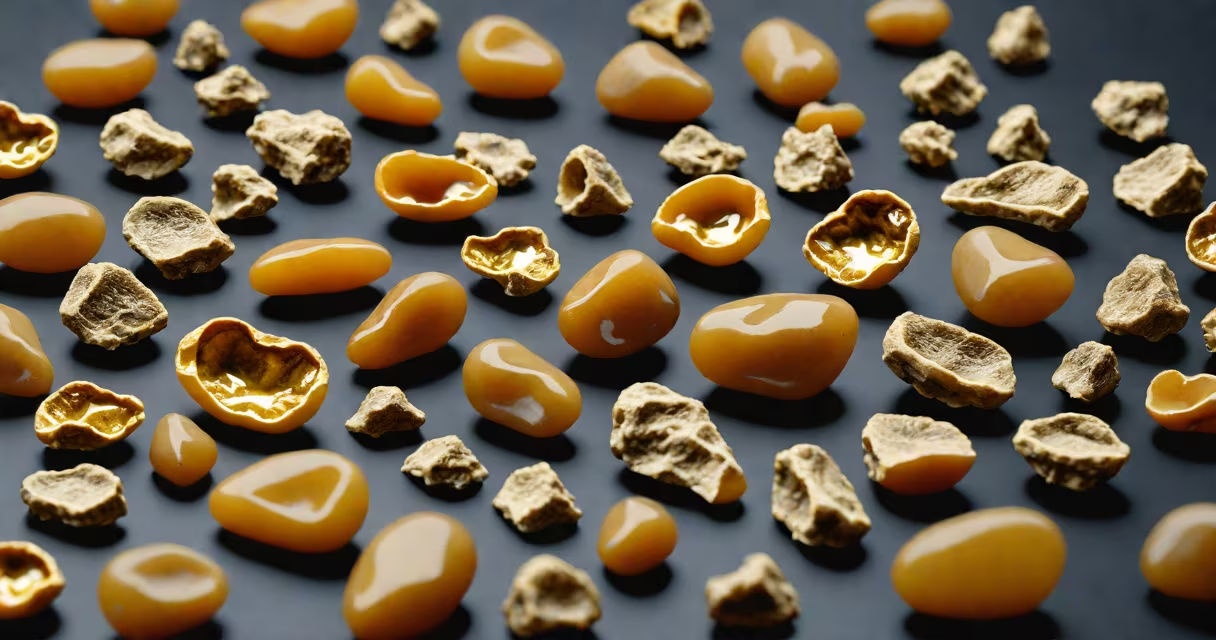
Gallbladder stones are hardened deposits of cholesterol or bilirubin that form in the gallbladder. They affect about 10-15% of adults in the U.S., with many causing no symptoms at all. When symptoms occur, they can indicate mild discomfort or severe medical emergencies requiring immediate care.
These stones develop when bile components crystallize due to imbalances in concentration, gallbladder motility, or inflammation. Most are small-under 1 cm-but can grow larger and obstruct ducts. The seriousness depends on location, size, and whether they trigger complications like infection or blockage.
According to the American College of Gastroenterology, asymptomatic gallstones don't require treatment unless they're associated with other risk factors such as diabetes or prior biliary surgery. However, once symptoms begin, the condition shifts from benign to potentially dangerous.
When the gallbladder contracts to release bile during digestion, a stone can block the cystic duct-the narrow channel connecting the gallbladder to the common bile duct. This blockage causes sudden, intense pain known as biliary colic. Pain typically lasts 1-6 hours and occurs after fatty meals.
The mechanism is mechanical: the gallbladder tries to empty but cannot because the stone prevents flow. Pressure builds inside the organ, activating nerve endings. This results in sharp pain in the upper right abdomen, often radiating to the back or shoulder blade.
A 2021 study published in Gastroenterology found that 70% of people with symptomatic gallstones experience at least one episode of biliary colic within a year. Without intervention, recurrence rates exceed 50% within five years.
Not all gallstones carry equal risk. Their composition and size determine clinical impact:
| Type | Composition | Prevalence | Risk Level |
|---|---|---|---|
| Cholesterol stones | Cholesterol-rich, yellowish | 80% | Low to moderate (most common) |
| Pigment stones | Bilirubin-based, dark brown/black | 20% | High (linked to liver disease, hemolysis) |
Cholesterol stones dominate in Western populations due to high-fat diets and obesity. Pigment stones are more common in people with chronic liver disease or blood disorders like sickle cell anemia. These types are more likely to cause recurrent blockages and complications.
Size matters too. Stones under 5 mm rarely cause obstruction. Those between 6-10 mm have a 15-20% chance of blocking ducts. Stones over 10 mm-especially if multiple-are more likely to lead to acute cholecystitis or pancreatitis.
Obstruction leads to inflammation of the gallbladder-acute cholecystitis. This condition affects about 1 in 100 people annually and requires hospitalization in 30% of cases. Left untreated, it can progress to gangrene or perforation, increasing mortality risk.
When a stone migrates into the common bile duct, it causes choledocholithiasis. This blocks bile flow from the liver to the intestine, leading to jaundice (yellowing of skin and eyes), dark urine, pale stools, and fever. A 2020 review in Annals of Surgery reported that 1 in 5 patients with choledocholithiasis develops ascending cholangitis-an infection that spreads rapidly and can result in sepsis.
Another critical complication is gallstone pancreatitis. Stones that enter the pancreatic duct disrupt enzyme secretion, triggering inflammation. It accounts for 40% of acute pancreatitis cases in the U.S. and carries a 1-2% fatality rate even with treatment.
Many assume all gallstones cause pain. That's false. Silent gallstones-present in 70-80% of diagnosed cases-cause no symptoms and are discovered incidentally during imaging for unrelated reasons.
Another misconception is that diet alone can dissolve them. While low-fat diets reduce symptom frequency, they do not eliminate existing stones. A 2019 trial in Journal of Hepatology showed that 95% of patients who tried ursodeoxycholic acid (a bile acid drug) failed to dissolve stones after 12 months. Only 20% experienced partial dissolution.
Gallstones aren't always linked to lifestyle. Genetic factors play a major role. Native Americans have the highest prevalence globally-up to 30% in some tribes-due to inherited metabolic traits. Obesity increases risk, but so does rapid weight loss, which alters bile chemistry.
In 2022, a 52-year-old woman presented to the ER with severe right upper quadrant pain lasting six hours. She had eaten a greasy meal earlier. Blood tests showed elevated liver enzymes and white blood cell count. An ultrasound revealed a 1.2 cm stone lodged in her cystic duct.
She was diagnosed with acute cholecystitis. After 48 hours of IV antibiotics and fasting, she underwent laparoscopic cholecystectomy. Her recovery took seven days. Without surgery, she faced a 30% risk of perforation and a 10% risk of sepsis.
This case illustrates that even seemingly routine stones can escalate quickly. Early intervention prevents progression to life-threatening stages.
Asymptomatic gallstones generally don't require treatment. But guidelines from the American Gastroenterological Association recommend surgical evaluation if the patient has:
I've personally managed a patient with silent gallstones who developed acute cholecystitis after a 10-day cruise involving frequent fried food intake. He'd never had pain before. His case highlights that symptom onset can be sudden-even in previously asymptomatic individuals.
Surgical removal of the gallbladder-cholecystectomy-is the gold standard for symptomatic stones. It's performed laparoscopically in over 95% of cases, with a 98% success rate and less than 1% complication rate.
Non-surgical approaches offer temporary relief but fail to prevent complications. Patients who avoid surgery face a 20% annual risk of developing cholecystitis or pancreatitis.
Gallbladder stones range from harmless to life-threatening. Most are asymptomatic and pose minimal risk. But once symptoms appear-especially recurring pain, fever, jaundice, or pancreatitis-the condition becomes serious. Obstruction, infection, and organ damage can follow swiftly.
Early diagnosis and timely treatment prevent complications. Ignoring symptoms increases the likelihood of emergency surgery, prolonged hospital stays, and higher mortality. Understanding your personal risk based on size, type, and comorbidities is essential.
For anyone with a confirmed diagnosis, monitoring and proactive care are key. If you experience biliary colic, seek medical evaluation promptly. The seriousness of gallbladder stones lies not in their presence, but in what they can trigger when left unmanaged.