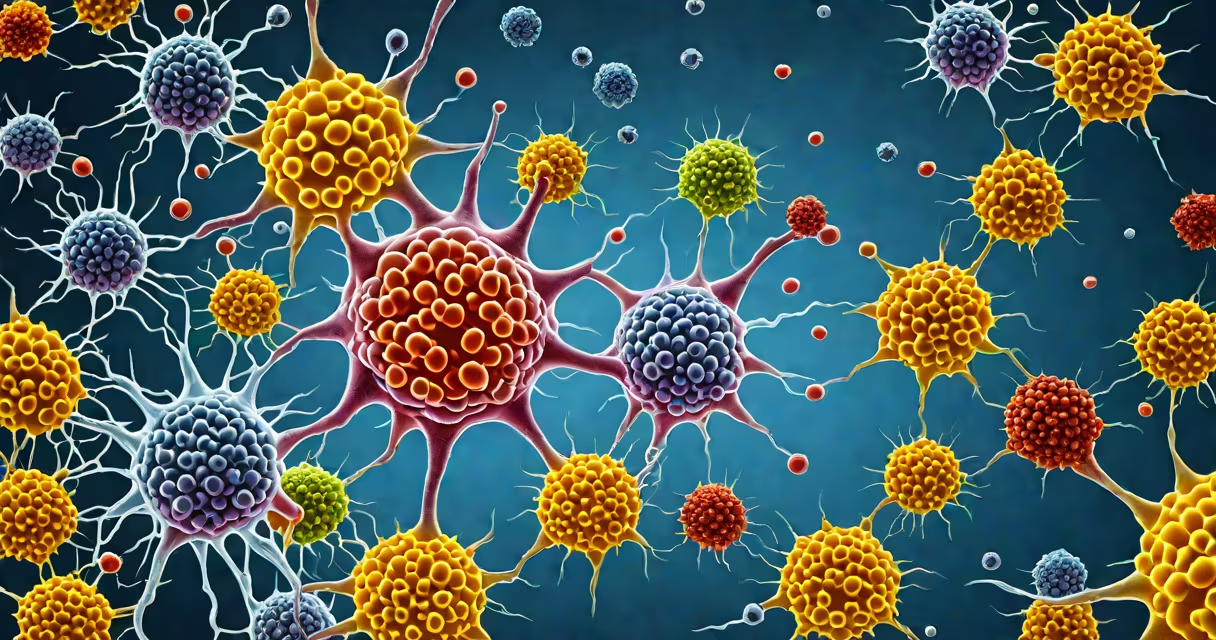
The immune system integrates signals from the nervous, endocrine, metabolic, and lymphatic systems through shared molecular pathways, enabling coordinated responses to infection, injury, and stress. These interactions regulate inflammation, tissue repair, and immune tolerance across organs.
Immune system interactions with other systems occur via direct cellular contact, circulating hormones, neurotransmitters, metabolites, and cytokines. For example, cortisol from the adrenal glands suppresses immune cell activation during stress, while norepinephrine released by sympathetic nerves modulates dendritic cell function. These signals are not incidental-they are part of a tightly regulated network that maintains homeostasis.
Research from the National Institutes of Health confirms that immune cells express receptors for neuroendocrine hormones such as adrenaline and glucocorticoids. When activated, these receptors alter gene expression in macrophages and T cells, shifting their behavior from pro-inflammatory to anti-inflammatory states. This crosstalk ensures the immune response remains proportional to threat levels and avoids collateral damage.
Immune system interactions rely on bidirectional signaling between tissues. The brain communicates with immune cells through the vagus nerve, which releases acetylcholine to inhibit TNF-alpha production in macrophages-a process known as the cholinergic anti-inflammatory pathway. This mechanism reduces systemic inflammation during sepsis and has been validated in human trials using vagus nerve stimulation.
Metabolic systems influence immunity through nutrient availability and mitochondrial function. During fasting, low glucose levels increase autophagy in T cells, enhancing their ability to clear intracellular pathogens. Conversely, high-fat diets disrupt gut microbiota composition, leading to increased intestinal permeability and systemic inflammation via lipopolysaccharide (LPS) translocation into circulation.
A 2022 study published in Nature Immunology demonstrated that adipocytes (fat cells) secrete interleukin-6 and leptin, both of which activate immune cells in adipose tissue. This creates a feedback loop where obesity leads to chronic low-grade inflammation, increasing risk for insulin resistance and cardiovascular disease. The findings show that metabolism and immunity are not separate domains-they are co-regulated.
Interactions fall into three functional categories based on the nature of the signal and its effect:
| System | Primary Signaling Molecules | Effect on Immunity | Example |
|---|---|---|---|
| Nervous | Acetylcholine, norepinephrine | Suppresses pro-inflammatory cytokine release | Vagus nerve stimulation reduces colitis severity in mice |
| Endocrine | Cortisol, thyroid hormones, sex steroids | Modulates immune cell proliferation and differentiation | Estrogen enhances B cell antibody production |
| Metabolic | Glucose, fatty acids, lactate, ketones | Alters immune cell energy metabolism and function | Ketone bodies reduce NLRP3 inflammasome activity in macrophages |
These systems do not act independently. For instance, during exercise, muscle contractions release lactate, which enters circulation and binds to GPR81 receptors on immune cells. This triggers anti-inflammatory responses in adipose tissue and improves insulin sensitivity-linking physical activity to immune regulation.
Immune system interactions with other systems are critical in maintaining internal stability. Without them, even minor infections could trigger uncontrolled inflammation, leading to septic shock or autoimmune flares. The gut-liver axis exemplifies this: gut microbes produce short-chain fatty acids like butyrate, which enter the bloodstream and suppress hepatic inflammation by promoting regulatory T cell development.
In chronic diseases, disrupted interactions contribute to pathology. Multiple sclerosis involves faulty communication between the central nervous system and immune cells-demyelination occurs when T cells infiltrate the brain due to loss of blood-brain barrier integrity. Similarly, in type 2 diabetes, persistent hyperglycemia alters monocyte function, making them more prone to secrete IL-1β and drive pancreatic beta-cell death.
One non-obvious fact often missed: immune cells themselves produce hormones. For example, activated T cells secrete oxytocin, which acts locally to reduce fibrosis in injured tissues. This challenges the outdated view that only endocrine glands produce hormones and highlights the immune system's role as a signaling organ.
Many assume the immune system operates in isolation, especially during illness. But clinical evidence shows otherwise. A patient with severe pneumonia may develop adrenal insufficiency due to excessive cortisol demand, leading to refractory hypotension. Treating the infection alone fails if the endocrine system's contribution is ignored.
Another misconception is that stress weakens immunity universally. While prolonged stress elevates cortisol and suppresses certain immune functions, acute stress can improve innate immunity. A 2019 study in Psychoneuroendocrinology found that short-term psychological stress increased natural killer cell activity in healthy adults-suggesting context matters more than duration.
Some confuse immune modulation with suppression. Anti-inflammatory signals like IL-10 do not shut down immunity-they reprogram it. Regulatory T cells don't prevent all immune responses; they fine-tune them to avoid attacking self-tissues while preserving defense against pathogens.
Consider a 45-year-old woman with irritable bowel syndrome (IBS) and anxiety. Her symptoms persist despite standard treatments. Research reveals her gut microbiome lacks *Faecalibacterium prausnitzii*, a bacterium that produces butyrate. Low butyrate levels impair intestinal barrier function, allowing bacterial fragments to leak into the bloodstream.
These fragments trigger immune cells in the liver and spleen to release TNF-alpha and IL-6. Elevated cytokines cross the blood-brain barrier and activate microglia-the brain's resident immune cells. Chronic microglial activation correlates with mood disorders and cognitive dysfunction.
Treatment with fecal microbiota transplantation restored microbial diversity, increased butyrate levels, reduced systemic inflammation, and improved both gastrointestinal and psychiatric symptoms. This case illustrates how immune system interactions with the gut, brain, and metabolic systems form a unified network-not isolated systems.