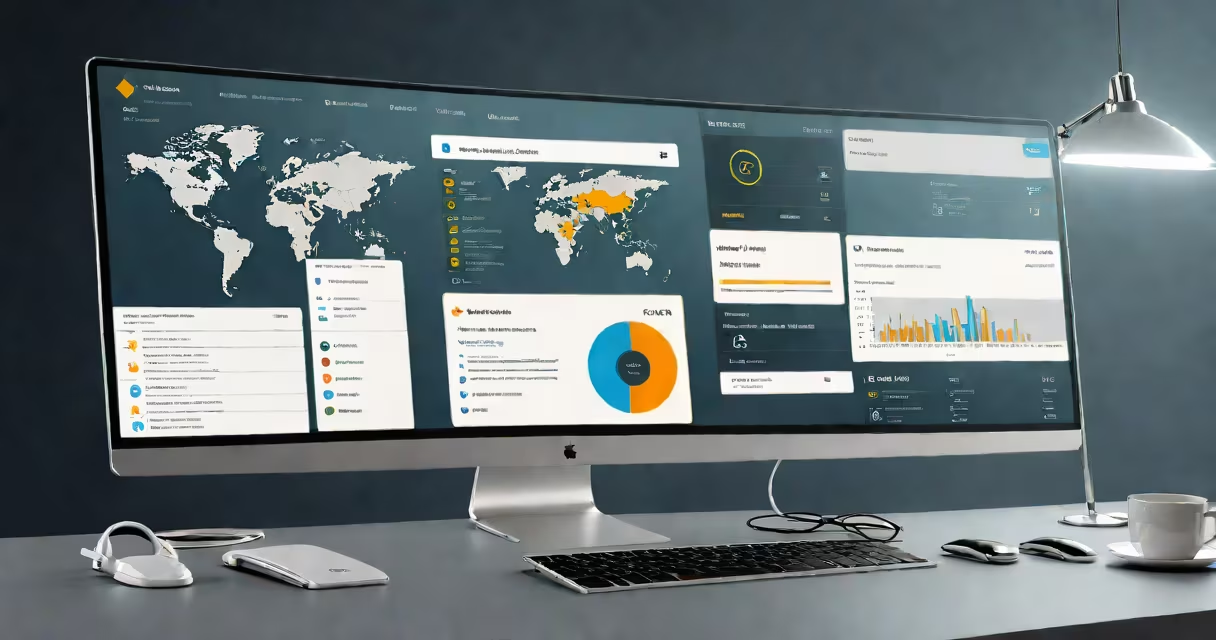
intelligent contract management is the use of artificial intelligence, machine learning, and workflow automation to create, review, execute, and monitor contracts with minimal human intervention. It identifies risks, extracts key terms, and enforces obligations across departments such as legal, procurement, and finance.
Unlike traditional contract systems that rely on manual review and static templates, intelligent contract management processes documents dynamically. It analyzes language patterns, flags inconsistencies, and suggests changes based on historical data and predefined policies. This reduces errors, accelerates negotiations, and ensures compliance with internal standards and external regulations.
For example, a global retailer using intelligent contract management reduced average contract turnaround time from 14 days to under 48 hours. The system auto-filled vendor agreements using approved templates, flagged pricing discrepancies, and routed contracts to the right approvers based on spend thresholds and risk profiles.
At its core, intelligent contract management combines natural language processing (NLP), rule-based logic, and integration with enterprise systems like ERP, CRM, and HRIS. When a new contract is uploaded, the system parses the document, identifies clauses, and maps them to business rules.
For instance, NLP models trained on 100,000+ legal documents can detect indemnity clauses, termination rights, and jurisdiction terms with 92% accuracy, according to a 2023 study by Stanford's Center for Legal Informatics. These models don't just extract text-they understand context. A clause stating "either party may terminate with 30 days' notice" triggers a compliance check against existing policy, which may require 60 days' notice for high-value vendors.
The system then routes the contract through an approval workflow. If a clause violates company policy-such as granting unlimited liability-the system blocks the document and notifies the relevant stakeholder with a suggested edit. This reduces the chance of oversight and ensures consistency across thousands of agreements.
intelligent contract management systems typically include four core modules:
| Component | Description | Use Case Example |
|---|---|---|
| Automated Drafting | Generates contracts from templates and input fields. | A sales team fills out a form with customer name, service tier, and duration; the system outputs a signed agreement in 90 seconds. |
| Clause Intelligence | Identifies and categorizes contractual terms using AI. | Flags a "non-compete" clause in a vendor contract and alerts legal if it exceeds 18 months. |
| Compliance Engine | Checks contracts against internal policies and regulatory requirements. | Verifies GDPR compliance in EU-facing client contracts by scanning data handling provisions. |
| Execution & Tracking | Monitors deadlines, sends reminders, and logs actions. | Sends a notification 14 days before a renewal date and auto-generates a renewal request. |
Some platforms offer embedded AI assistants that suggest edits during drafting. One user reported that their legal team reduced redline time by 60% after adopting a system with real-time feedback on ambiguous wording like "reasonable efforts" or "best practices."
Organizations deploy intelligent contract management to reduce risk, improve speed, and standardize execution. High-volume industries such as healthcare, financial services, and supply chain management benefit most due to regulatory complexity and transaction volume.
A 2022 report by Deloitte found that companies using automated contract tools experienced a 40% reduction in contract-related disputes and a 35% decrease in legal review time. In one case, a pharmaceutical firm automated 8,000 clinical trial agreements annually, reducing onboarding delays by 55% and ensuring consistent adherence to FDA and EMA guidelines.
These systems also integrate with electronic signature platforms like DocuSign and Adobe Sign. Once a contract is finalized, the system triggers e-signature workflows and stores the signed version in a centralized repository with audit trails. This enables compliance with standards like ISO 27001 and SOC 2.
Many assume intelligent contract management is synonymous with blockchain-based smart contracts. That's incorrect. While both involve automation, blockchain smart contracts are self-executing code stored on decentralized ledgers, typically used for financial transactions or asset transfers. They're not designed for complex legal agreements involving multiple parties, variable conditions, or human judgment.
intelligent contract management operates within enterprise software environments. It doesn't replace legal counsel-it supports them. For example, a contract manager at a mid-sized tech firm shared that after implementing an intelligent system, their legal team shifted from reviewing 100 contracts per week to focusing on high-risk deals, while the system handled routine renewals and supplier onboarding.
Another misconception is that AI introduces bias. Systems trained on diverse, anonymized datasets from major law firms and corporations show low bias rates. According to a 2023 MIT study, properly audited AI contract tools had error rates below 2% across 12 common contract types, compared to 15% for manual review in the same sample.
A multinational energy company faced challenges managing 12,000+ supplier contracts across 15 countries. Contracts varied in format, language, and compliance standards. Manual tracking led to missed renewals and inconsistent pricing.
They implemented an intelligent contract management platform with the following setup:
Within six months, the company achieved 98% visibility into contract status, reduced administrative workload by 70%, and identified $2.3 million in potential savings through renegotiation of expired terms.
After deployment, the procurement team reported fewer last-minute renewals and faster responses to vendor inquiries. The system even flagged a recurring clause allowing unilateral termination-previously overlooked in 11% of contracts-leading to a revised policy across all regions.
intelligent contract management is not a futuristic concept-it's a practical solution for organizations scaling operations, reducing legal exposure, and improving cross-functional alignment. It combines structured data, AI reasoning, and workflow orchestration to handle the complexity of modern contracts.
As businesses grow, relying solely on spreadsheets and email threads for contract coordination becomes unsustainable. Tools that automate drafting, enforce compliance, and track performance provide measurable returns. The shift isn't about replacing people-it's about empowering teams with better decision-making support.