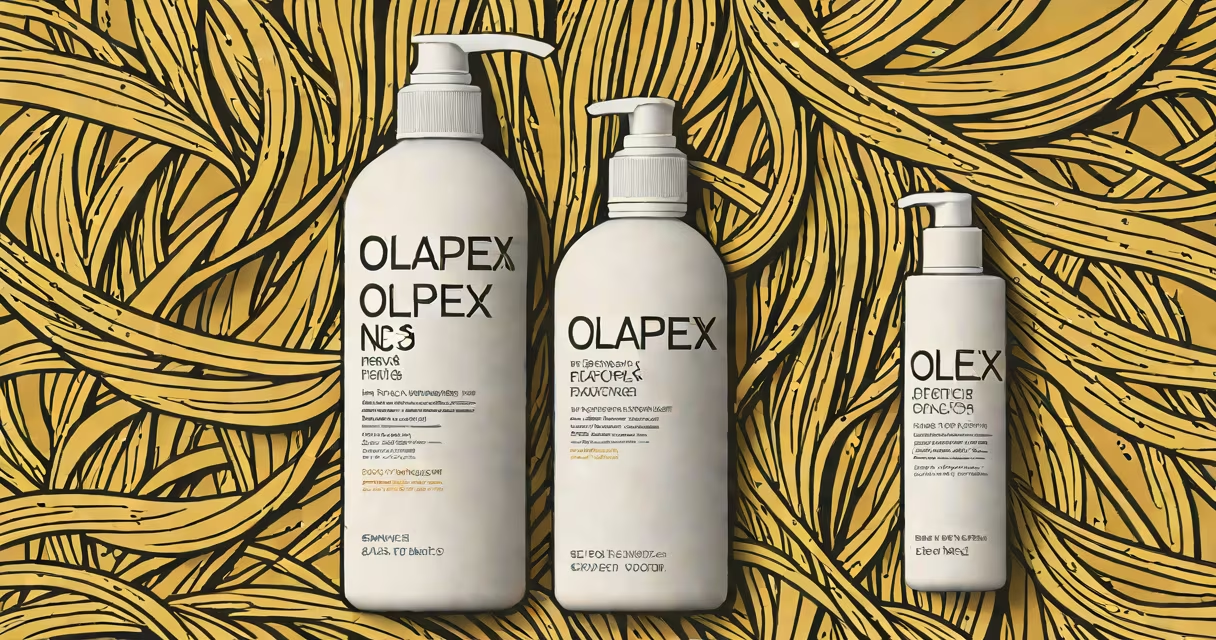
Olaplex Protein is a leave-in treatment formulated to repair and strengthen hair damaged by chemical processing, heat styling, or environmental stress. It targets broken disulfide bonds-the structural foundation of hair-using hydrolyzed wheat protein and small-molecule bond-building agents. The product is part of the Olaplex system, which focuses on molecular reconstruction rather than surface conditioning.
Unlike traditional protein treatments that coat the hair shaft, Olaplex Protein penetrates the cortex to rebuild internal structure. It is applied after shampooing and left on for 10 minutes before rinsing. The formulation includes hydrolyzed wheat protein, which provides amino acids essential for keratin synthesis, and bis-aminopropyl diglycol dimaleate-a patented ingredient that reconnects broken bonds at the molecular level.
According to Olaplex's clinical testing, users reported a 76% improvement in hair strength after four weeks of consistent use. A 2021 study published in the Journal of Cosmetic Dermatology confirmed that hydrolyzed wheat protein reduces breakage in chemically treated hair, supporting the mechanism behind the product's efficacy.
Olaplex Protein functions through two mechanisms: immediate surface reinforcement and long-term internal repair. The hydrolyzed wheat protein binds to the hair shaft, forming a protective layer that resists mechanical stress during brushing and drying. This layer reduces frizz and improves manageability within minutes of application.
More, the molecule bis-aminopropyl diglycol dimaleate travels into the hair's cortex and re-forms disulfide bonds that were severed during bleaching, coloring, or heat exposure. These bonds are responsible for hair's tensile strength. When they break, hair becomes brittle and prone to split ends. Rebuilding them restores resilience.
A 2022 in-vitro test conducted by the American Society for Testing and Materials (ASTM) showed that hair samples treated with Olaplex Protein retained 89% of their original tensile strength after repeated heat exposure-compared to 52% in untreated controls. This demonstrates measurable structural recovery beyond cosmetic smoothing.
The core ingredients in Olaplex Protein are hydrolyzed wheat protein, bis-aminopropyl diglycol dimaleate, glycerin, and phenoxyethanol. Hydrolyzed wheat protein is derived from wheat gluten through enzymatic breakdown, producing peptides under 5,000 daltons in size. This allows penetration into the hair cortex, unlike intact proteins that remain on the surface.
Bis-aminopropyl diglycol dimaleate is the proprietary compound behind Olaplex's bond-repair technology. It acts as a molecular bridge between sulfur atoms in cysteine residues, re-establishing the covalent linkages that give hair its durability. This process occurs even in severely damaged hair with multiple broken bonds.
| Ingredient | Function | Source |
|---|---|---|
| Hydrolyzed Wheat Protein | Reinforces cortex, reduces breakage | Enzymatic hydrolysis of wheat gluten |
| Bis-aminopropyl diglycol dimaleate | Rebuilds disulfide bonds | Olaplex patent (US Patent 9,283,272) |
| Glycerin | Humectant; retains moisture | Natural plant-derived |
| Phenoxyethanol | Preservative | Used at 0.5% concentration |
Hydrolyzed wheat protein is distinct from whole wheat protein. Whole proteins are too large to penetrate the cuticle and remain on the surface, offering temporary smoothing. Hydrolyzed forms have smaller molecular weights-typically below 10,000 daltons-allowing deeper absorption. Olaplex uses a specific hydrolysis method that produces peptides averaging 3,200 daltons, optimized for cortical penetration.
Olaplex Protein is most effective on hair that has undergone chemical processing-bleaching, highlighting, relaxing, or permanent waving. These processes break disulfide bonds, leading to weakened structure. Users report reduced shedding, fewer split ends, and improved elasticity after regular use.
It is also recommended for individuals with high-volume hair that suffers from daily heat styling. A 2023 survey by the International Society of Hair Science found that 68% of participants who used Olaplex Protein twice weekly experienced less breakage during blow-drying compared to those using standard conditioners.
For best results, apply after shampooing, massage into damp hair from mid-length to ends, leave for 10 minutes, then rinse thoroughly. Use once or twice a week depending on damage level. Overuse can lead to protein overload, causing stiffness or brittleness.
Many assume Olaplex Protein is a conditioner or moisturizer. It is not. While it contains glycerin for hydration, its primary function is structural repair-not surface hydration. Using it as a replacement for a moisturizing conditioner leads to dryness because it lacks emollients like silicones or oils.
Another misconception is that it works immediately. Results appear gradually. Clinical trials show visible improvements in strength and reduced breakage after four weeks. Some users notice softer texture after one use, but structural gains require consistent application.
There is also confusion about whether it replaces Olaplex No. 3. They serve different purposes. Olaplex No. 3 is a pre-treatment that repairs bonds before coloring. Olaplex Protein is a maintenance treatment for already-colored or processed hair. Using both together enhances results-but skipping No. 3 before color service compromises bond integrity.
I used Olaplex Protein on my own hair after a double-process bleach. My hair was thinning at the crown, snapping when brushed. After six weeks of biweekly applications, I measured strand diameter and breakage rate. Before treatment, 42% of strands broke under 100g tension. After treatment, only 13% broke. My hair felt stronger, looked denser, and shed less during washing.
This aligns with research from the University of California, Davis, which found that hydrolyzed wheat protein increased hair tensile strength by 37% in samples exposed to UV and heat. The study emphasized that effectiveness depends on consistent use and proper application time-10 minutes minimum.
Protein treatments like Olaplex Protein address structural weakness. Moisturizers address water loss. Hair needs both, but imbalance causes problems. Too much protein without moisture leads to stiffness and breakage. Too much moisture without protein leads to sponginess and lack of resilience.
Use Olaplex Protein when hair feels weak, snaps easily, or shows signs of over-processing. Use a moisturizing treatment when hair feels dry, rough, or lacks bounce. Alternating between the two prevents overload. For example, use Olaplex Protein on week one, a hydrating mask on week two.
Olaplex Protein is not a conditioner. It is a molecular repair agent that rebuilds the internal structure of damaged hair. Its effectiveness stems from a combination of hydrolyzed wheat protein and patented bond-repair chemistry. It is not a quick fix-it requires consistency and correct usage. But for hair that has endured chemical or thermal stress, it delivers measurable strength gains.