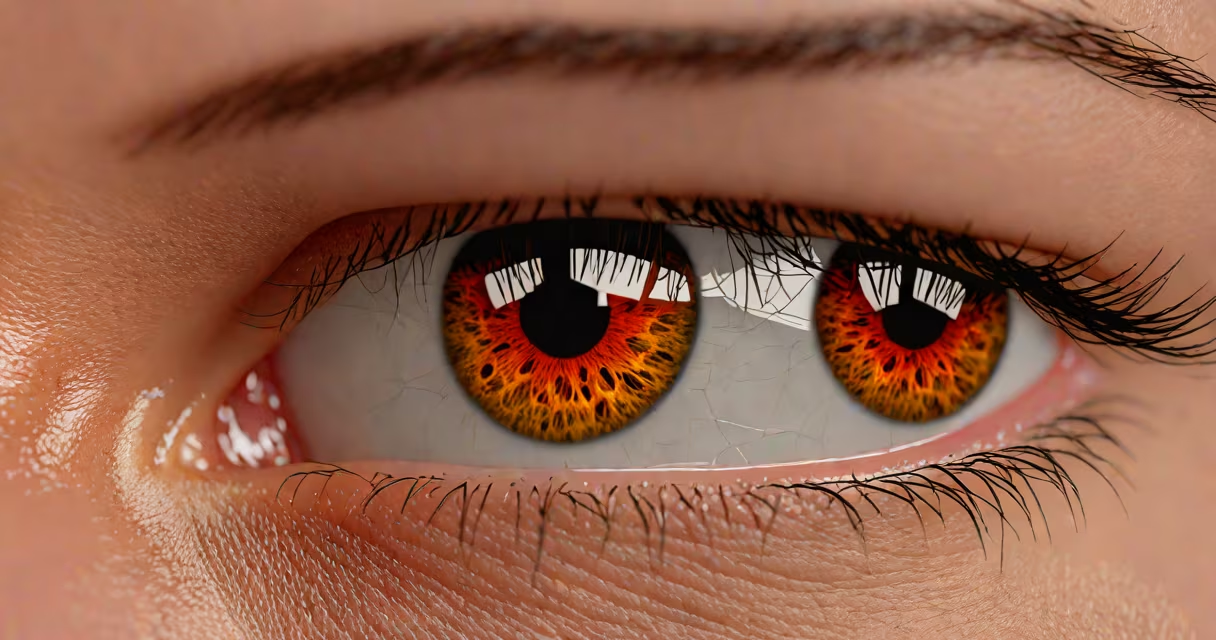
Itchy sore eyes describe a combination of discomfort including burning, stinging, redness, and persistent itching in one or both eyes. This condition arises from inflammation of the ocular surface due to allergens, infections, dryness, or environmental irritants. It's often temporary but can signal underlying issues requiring medical attention.
The sensation stems from nerve endings in the cornea and conjunctiva becoming hyperactive. When exposed to triggers like pollen, dust mites, or chlorine, these nerves fire signals interpreted by the brain as itchiness or pain. The eye responds with increased tear production and blood vessel dilation-visible as redness and swelling.
Common causes include dry eye syndrome, viral or bacterial conjunctivitis, seasonal allergies, blepharitis (eyelid inflammation), and exposure to smoke or screen glare. Some people develop itchy sore eyes after wearing contact lenses for extended periods, especially if hygiene is inconsistent.
When the eye's surface lacks sufficient moisture or encounters an irritant, immune cells release histamine and other inflammatory mediators. Histamine binds to receptors on sensory nerves, triggering the urge to rub the eyes-a reflex that worsens irritation and risks introducing bacteria.
For example, a person working long hours on a computer may develop itchy sore eyes due to reduced blink rate. Studies show average blink rate drops from 15-20 times per minute to fewer than 5 during focused screen time. This leads to tear film evaporation and surface damage, causing dryness and itchiness.
Another pathway involves allergic conjunctivitis. When airborne allergens like ragweed or pet dander enter the eye, IgE antibodies on mast cells trigger degranulation. This releases histamine, causing immediate itching, tearing, and swelling. Symptoms typically appear within minutes of exposure and resolve when the allergen is removed.
Itchy sore eyes fall into distinct categories based on cause. Identifying the root issue guides treatment and prevention.
| Type | Key Triggers | Typical Duration | Distinctive Signs |
|---|---|---|---|
| Dry Eye Syndrome | Age, screen use, hormonal changes, autoimmune conditions | Chronic (weeks to months) | Burning, grittiness, fluctuating vision |
| Allergic Conjunctivitis | Pollen, dust mites, pet dander, mold spores | Hours to days per exposure | Intense itching, watery discharge, swollen eyelids |
| Bacterial or Viral Conjunctivitis | Streptococcus, adenovirus, herpes simplex virus | 3-10 days | Yellow-green discharge, crusting, photosensitivity |
| Chemical Irritation | Chlorine, smoke, cleaning products, makeup | Minutes to hours | Sudden burning, redness, blurred vision |
One non-obvious distinction: allergic conjunctivitis rarely causes fever or systemic symptoms. In contrast, viral conjunctivitis may accompany upper respiratory signs like runny nose or sore throat. Misdiagnosing viral conjunctivitis as allergy leads to ineffective antihistamine use and delayed recovery.
Environmental factors play a major role. A 2022 study published in Cornea found that indoor air pollution levels above 50 µg/m³ PM2.5 correlated with a 34% increase in reported eye irritation among office workers. Air conditioning and heating systems recirculate particles that settle on the ocular surface, exacerbating dryness and itchiness.
While most cases resolve with rest or over-the-counter remedies, certain patterns indicate a need for professional evaluation. Persistent symptoms beyond 7 days, worsening pain, vision changes, or discharge that doesn't clear are red flags.
For instance, a patient with untreated dry eye syndrome may progress to corneal abrasions or epithelial defects. These can lead to scarring and permanent vision loss if untreated. The American Academy of Ophthalmology recommends seeing a doctor if symptoms persist despite artificial tears or if there's light sensitivity.
I once observed a case where a woman reported itchy sore eyes for two weeks. She'd tried saline rinses and antihistamines with no relief. Upon examination, she had bilateral follicular conjunctivitis and a positive test for Chlamydia trachomatis. Her symptoms were misattributed to allergies for months. Early diagnosis prevented chronic inflammation and potential scarring.
Another sign is unilateral involvement. If only one eye is affected, especially with pain, swelling, or vision loss, it may indicate uveitis, glaucoma, or a foreign body. Delaying care increases risk of irreversible damage.
Itchy sore eyes are not synonymous with "dry eyes" or "red eyes." Dry eyes refer specifically to inadequate tear production or quality. Red eyes result from dilated blood vessels and can occur without itchiness. Confusing them leads to incorrect treatment.
Some assume itchy sore eyes always stem from allergies. But research shows only 30-40% of cases in primary care clinics have allergic etiology. The remainder are due to dryness, infection, or neurological conditions like trigeminal neuralgia.
Also, rubbing itchy sore eyes worsens inflammation and increases infection risk. The hands carry bacteria that can transfer to the eye. A 2021 study in Eye & Contact Lens found that frequent eye rubbing raised the odds of developing keratoconus by 2.6 times over five years.
Initial steps include avoiding known triggers, using preservative-free artificial tears, and applying cool compresses. For allergic cases, oral antihistamines like loratadine or olopatadine eye drops reduce histamine response. Bacterial conjunctivitis requires antibiotic drops prescribed by a clinician.
Prevention includes regular screen breaks (20-20-20 rule: every 20 minutes, look 20 feet away for 20 seconds), proper contact lens hygiene, and maintaining indoor humidity between 40-60%. Using a HEPA filter in bedrooms reduces airborne allergens by up to 80%, according to the Environmental Protection Agency.
When itchy sore eyes interfere with daily life, don't ignore them. They're not just a minor annoyance-they're a signal from your body. Addressing the root cause early preserves eye health and prevents complications.