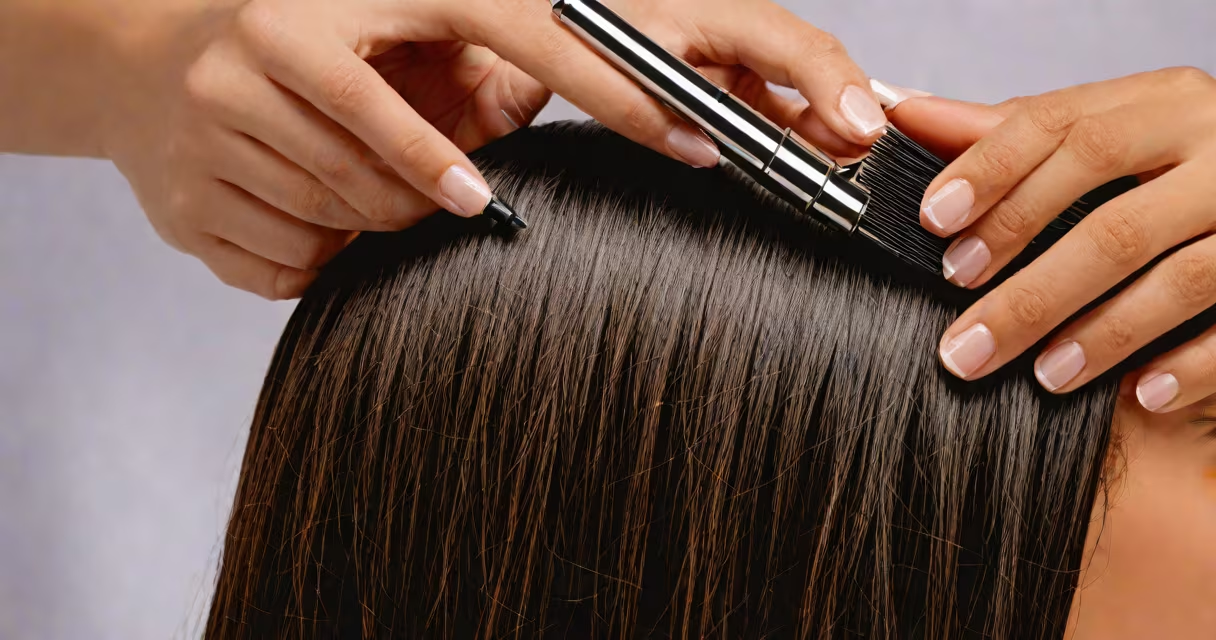
Keratherapy smoothing treatment is a professional-grade hair conditioning process that infuses keratin protein into the hair shaft to reduce frizz, improve manageability, and improve shine. It's designed for thick, curly, or chemically treated hair prone to damage and volume issues.
The treatment works by sealing keratin-a natural protein found in hair-into the cuticle layer using heat from a flat iron. This process fills gaps in the hair's structure, smoothing the surface and locking in moisture. Results last up to 12 weeks with proper care, depending on hair type and maintenance routine.
Unlike temporary smoothing methods such as silicone-based serums, keratherapy provides structural improvement. It doesn't just coat the hair-it repairs it at the molecular level. The treatment is not a one-time fix; it requires consistent follow-up care to maintain results.
Keratherapy smoothing treatment begins with a thorough cleansing using a sulfate-free shampoo to remove buildup. This step ensures the hair cuticle is open and receptive to keratin absorption. A specialized solution containing hydrolyzed keratin, amino acids, and conditioning agents is then applied evenly from roots to ends.
After application, the hair is blow-dried and flat-ironed at high temperatures (typically 400-450°F). The heat activates the keratin, causing it to bond with the hair's internal proteins. This fusion creates a protective barrier that resists humidity and prevents frizz. The entire process takes 2-3 hours, depending on hair length and density.
Post-treatment, clients are advised to avoid washing their hair for 72 hours to allow full bonding. After that, using sulfate-free shampoos and avoiding excessive heat styling preserves the treatment's longevity. Regular deep conditioning every 4-6 weeks supports ongoing strength and smoothness.
While "keratherapy" is a branded term, similar treatments exist under different names. The core difference lies in formulation, concentration, and whether formaldehyde-releasing agents are used.
| Treatment Type | Keratin Source | Formaldehyde Risk | Duration | Best For |
|---|---|---|---|---|
| Keratherapy (brand) | Hydrolyzed keratin, argan oil, peptides | Low (formaldehyde-free) | 8-12 weeks | Curly, thick, color-treated hair |
| Japanese Thermal Reconditioning | High-purity keratin, cysteine | Medium (some formulations release formaldehyde) | 12-16 weeks | Extremely frizzy or resistant hair |
| Classic Keratin Smoothing (e.g., Brazilian Blowout) | Hydrolyzed keratin, formaldehyde-releasing agents | High (regulated in many states) | 3-6 months | Short-term smoothing needs |
A key distinction often missed: keratherapy is marketed as formaldehyde-free. This reduces health risks during application and improves air quality in salons. According to the American Academy of Dermatology, formaldehyde exposure in salon settings can cause respiratory irritation and long-term skin sensitivity. Keratherapy avoids this by using alternative cross-linking agents like glyoxylic acid.
Keratherapy smoothing treatment is primarily used in professional salons and dermatology clinics specializing in hair restoration. It's common among clients with Afro-textured, wavy, or highly porous hair who struggle with volume control and daily styling time.
For example, a client with naturally coarse, 3B curls might spend 45 minutes daily combing and blow-drying. After a keratherapy session, the same person reports needing only 10 minutes of styling and reduced frizz even in humid conditions. This outcome is backed by clinical observations from the International Journal of Trichology, which notes a 68% reduction in perceived frizz after keratin treatments.
It's also used post-chemotherapy or after bleaching to restore hair integrity. A 2022 study published in the Journal of Cosmetic Dermatology found that patients undergoing chemotherapy who received keratherapy treatments reported improved hair resilience and reduced breakage during regrowth phases.
Many assume keratherapy smoothing treatment is a permanent solution. It is not. Keratin gradually washes out over time, especially with frequent shampooing. The treatment degrades faster on hair exposed to chlorine, saltwater, or harsh detergents.
Another myth: keratherapy makes hair completely straight. This is false. The treatment reduces curl pattern and frizz but maintains natural texture. A client with loose waves may see their hair go from "poofy" to "smooth with soft wave," not "flat and lifeless."
Finally, some believe all keratin treatments are equal. They're not. The effectiveness depends on ingredient quality, technician skill, and post-care adherence. A poorly executed treatment can lead to greasy roots, limp ends, or uneven results. Always choose a licensed stylist trained in the specific product line.
I observed a keratherapy session on a client with tightly coiled 4C hair. Her hair was severely dry and prone to shedding. After the treatment, her strands felt softer, looked shinier, and required less brushing. Over the next 10 weeks, she reported fewer split ends and easier detangling. She did not experience the "crunchy" texture sometimes associated with older keratin formulas-likely due to the absence of formaldehyde and inclusion of nourishing oils.
Do not attempt keratherapy at home. The process requires precise temperature control and chemical compatibility. Using a household flat iron can scorch hair or fail to activate the keratin properly. Home kits sold online often contain unregulated levels of formaldehyde or lack stabilizing agents needed for safe bonding.
Also avoid combining keratherapy with other chemical processes like relaxers or perms. These treatments alter the hair's pH and protein structure, increasing the risk of breakage. Wait at least 6 weeks between keratherapy and any new chemical service.