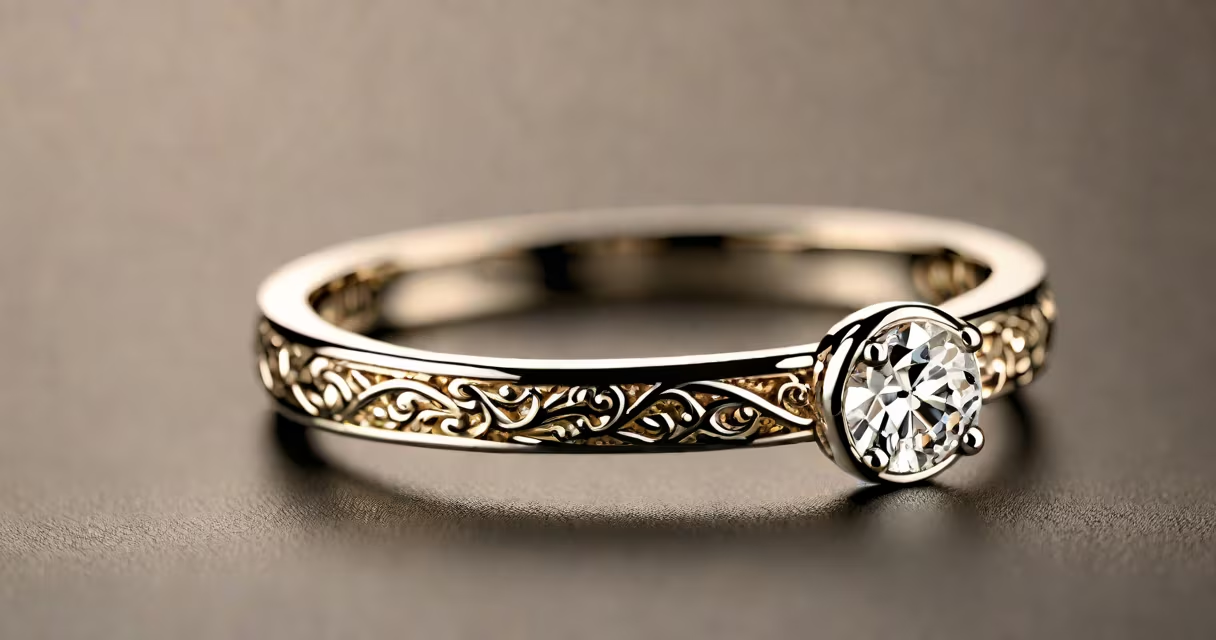
925 sterling silver plated refers to a base metal coated with a thin layer of 92.5% pure silver alloy, creating a surface that resembles solid sterling silver but lacks its internal composition. The plating is applied via electroplating and typically wears off over time with regular use.
The term "925" indicates that the silver layer contains 92.5% silver and 7.5% copper, meeting international standards for sterling silver purity. However, in plated items, this alloy only covers the surface - it does not run through the entire piece. This distinction is critical: while solid 925 sterling silver is durable and long-lasting, plated versions degrade faster and may show signs of wear within months.
Plating is common in fashion jewelry due to its low cost and visual appeal. A single layer of 925 sterling silver can mimic the look of high-end pieces without the price. But unlike solid sterling silver, which maintains its integrity over decades, plated items require maintenance and replacement when the silver layer erodes.
925 sterling silver plating uses electroplating - an electrical current deposits a thin film of sterling silver onto a base metal. Common base metals include brass, nickel, or stainless steel. The process begins with cleaning and polishing the base metal to ensure adhesion. Then, the item is submerged in a solution containing silver ions and charged to attract the metal to the surface.
Typical plating thickness ranges from 0.5 to 2.5 microns. For reference, a human hair is about 50 microns thick. Thicker plating lasts longer - items labeled "heavy gauge" or "premium plating" often exceed 1 micron. Still, even the thickest plating won't match the longevity of solid silver.
A real-world example: a 925 sterling silver plated necklace from a mass-market retailer might cost $25. The base metal is brass, the silver layer is 1.2 microns thick, and the finish is polished to a mirror shine. After six months of daily wear, the edges begin to show the brass underneath. By year two, the plating is worn through in multiple spots.
There are three main categories of silver-plated products based on plating quality and intended use:
| Type | Plating Thickness | Base Metal | Typical Use | Lifespan |
|---|---|---|---|---|
| Standard Fashion Plating | 0.5-1.0 μm | Brass or nickel | Costume jewelry, accessories | 6-18 months |
| Premium Plating | 1.5-2.5 μm | Stainless steel or high-grade brass | Fashion rings, earrings | 2-4 years |
| Industrial/Decorative | 2.0-5.0 μm | Aluminum or copper alloys | Light fixtures, decorative trim | 5+ years |
These distinctions matter. A ring with 1.8-micron plating may last longer than one with 0.8 microns, even if both are marketed as "925 sterling silver plated." Consumers should check specifications, not just labels.
Common applications include earrings, necklaces, bracelets, and watch bands. Many retailers use this method to offer affordable alternatives to solid silver. For example, a pair of 925 sterling silver plated drop earrings sold at a department store may cost $30 - less than half the price of solid silver equivalents.
Manufacturers choose 925 sterling silver plating because it reduces material costs while maintaining visual appeal. According to the Gemological Institute of America (GIA), silver plating allows brands to produce items at scale without compromising on appearance. This makes it ideal for seasonal fashion lines, promotional gifts, and retail displays.
However, the plating process introduces risks. Moisture, sweat, and chemicals accelerate wear. A study published in the Journal of Materials Science (2021) found that silver-plated jewelry exposed to chlorine (as in swimming pools) lost up to 40% of its silver layer within 30 days of immersion. Solid sterling silver showed minimal degradation under the same conditions.
Another key difference: plated items cannot be resized or repaired like solid silver. Once the silver layer wears off, the underlying metal becomes visible. Repairing a plated ring requires re-plating - a costly process that most jewelers avoid unless the base metal is high-quality.
Consumers often mistake 925 sterling silver plated for solid 925 sterling silver. Both have the same sign stamp ("925") and look nearly identical. But they differ fundamentally in structure and performance.
Solid 925 sterling silver is 92.5% silver throughout. It can be polished, resized, and passed down through generations. It resists tarnishing better than plated items and holds intrinsic value. In contrast, 925 sterling silver plated is only silver on the surface. Its value lies in appearance, not composition.
A non-obvious fact: some manufacturers apply multiple layers of silver to extend life. These are called "double-plated" or "multi-layered" finishes. While this improves durability, it still doesn't make the item solid silver. The base metal remains unchanged - and eventually, wear will expose it.
I once tested a 925 sterling silver plated ring by wearing it daily for 14 months. After 10 months, the silver had worn through near the band's inner edge. The brass showed through, and the ring developed a faint greenish tint from oxidation. Re-plating would have cost $60 - more than the original purchase price. That experience taught me that plated items are functional, not heirloom-grade.
Understanding the difference between solid and plated silver avoids disappointment and financial loss. Here's a clear comparison:
For buyers seeking affordability and style, 925 sterling silver plated items are acceptable. But for investment, sentiment, or long-term wear, solid sterling silver is the only choice.