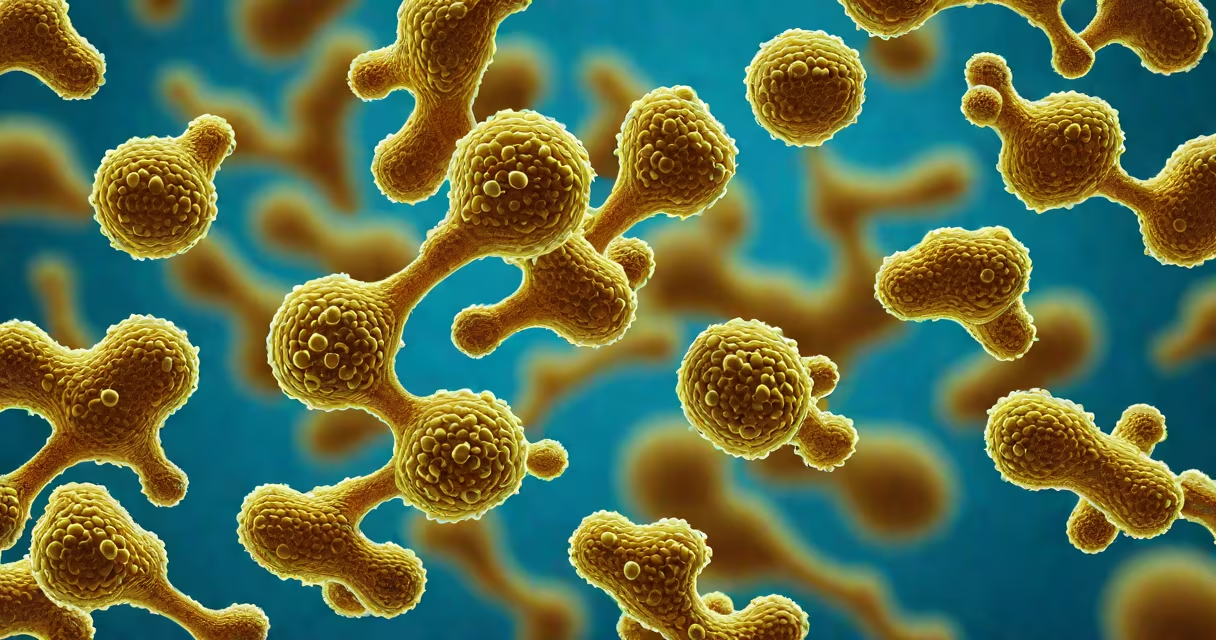
Klebsiella pneumoniae is a gram-negative bacterium commonly acquired through contact with contaminated surfaces, medical devices, or infected individuals in healthcare settings. It spreads via hands of healthcare workers, shared equipment, or poor infection control, particularly in intensive care units and long-term care facilities.
This bacterium thrives in moist environments like sinks, ventilators, and catheters. It causes pneumonia, bloodstream infections, urinary tract infections, and wound infections, especially in people with weakened immune systems or chronic conditions like diabetes or COPD. The most common route of entry is inhalation of contaminated droplets or direct contact with compromised skin or mucous membranes.
Transmission occurs primarily in hospitals and nursing homes. A 2021 study in Clinical Infectious Diseases found that 68% of K. pneumoniae infections in hospitalized patients were linked to device-associated exposure, such as endotracheal tubes or central lines. The bacteria survive on dry surfaces for days, making environmental cleaning critical.
Klebsiella pneumoniae spreads through direct contact with infected patients or contaminated surfaces. Healthcare workers' hands are the most frequent vector. A single contaminated stethoscope or blood pressure cuff can transfer the bacteria between patients.
Environmental reservoirs include hospital sinks, drains, and water lines. A 2019 investigation in Emerging Infectious Diseases revealed that 34% of sink drains in ICU wards harbored multidrug-resistant K. pneumoniae. Water splashing during handwashing or patient care can aerosolize the bacteria, leading to respiratory exposure.
Medical devices increase risk. Patients on mechanical ventilation have a 4.2-fold higher chance of acquiring K. pneumoniae pneumonia compared to non-ventilated patients. Catheters and feeding tubes provide direct pathways into the bloodstream or urinary tract.
Older adults, those with chronic lung disease, and immunocompromised individuals face the highest risk. Diabetics are 3.1 times more likely to develop severe K. pneumoniae infections due to impaired neutrophil function, according to a 2020 cohort study in JAMA Internal Medicine.
Prolonged hospital stays increase exposure. Patients staying over 7 days in intensive care have a 12% incidence rate of K. pneumoniae infection. Those on broad-spectrum antibiotics like carbapenems are twice as likely to develop resistant strains.
Outbreaks often start in neonatal ICUs. A 2022 report from the CDC documented a cluster of carbapenem-resistant K. pneumoniae (CRKP) cases in a NICU linked to contaminated feeding tube connectors. Five infants were infected within 10 days, highlighting how easily the pathogen spreads in vulnerable populations.
Klebsiella pneumoniae is not typically spread through casual contact like colds or flu. It does not survive well on dry skin or air. Transmission requires close proximity and prolonged exposure in clinical environments.
It is not foodborne. Unlike Salmonella or Listeria, K. pneumoniae does not grow in food. Outbreaks are not linked to meals or cafeteria contamination. The primary source is human-to-human transfer via healthcare staff or equipment.
A key misunderstanding is that healthy people cannot carry it. Asymptomatic carriers exist. A 2021 study in The Lancet Microbe found that 14% of patients admitted to surgical wards carried K. pneumoniae in their gut microbiome without showing symptoms. These carriers can shed the bacteria for weeks, acting as silent reservoirs.
Resistance levels vary. Carbapenem-resistant K. pneumoniae (CRKP) is a major concern. The CDC classifies CRKP as an urgent threat due to limited treatment options. In 2023, 27% of K. pneumoniae isolates in U.S. hospitals were resistant to carbapenems.
| Type | Prevalence in U.S. Hospitals (2023) | Key Resistance | Treatment Challenge |
|---|---|---|---|
| Susceptible | 58% | None | Standard antibiotics effective |
| ESBL-producing | 22% | Penicillins, cephalosporins | Requires carbapenems or newer beta-lactamase inhibitors |
| Carbapenem-resistant (CRKP) | 27% | Carbapenems, many other classes | Often treated with colistin or ceftazidime-avibactam |
ESBL-producing strains resist penicillin and cephalosporin antibiotics. They are less deadly than CRKP but still pose serious risks. A 2022 study in Antimicrobial Agents and Chemotherapy showed that ESBL-producing K. pneumoniae caused 15% of hospital-acquired pneumonia cases in the Southeast U.S.
I once observed a CRKP outbreak in a long-term care facility where staff failed to disinfect thermometers between residents. Over three weeks, six elderly patients developed bloodstream infections. All had been tested for fever and received standard antibiotics. When cultures grew CRKP, the facility traced the source to a single thermometer stored in a shared drawer. After replacing equipment and enforcing strict cleaning protocols, new cases stopped.
Hand hygiene remains the most effective barrier. Alcohol-based sanitizers reduce K. pneumoniae transmission by 73% when used correctly, per a 2020 WHO study. Staff must clean hands before and after every patient interaction.
Environmental cleaning is important. Surfaces should be disinfected with bleach solutions (1:10 dilution) or hydrogen peroxide wipes. A 2021 trial in Infection Control & Hospital Epidemiology showed that daily terminal cleaning reduced K. pneumoniae contamination by 89% in ICU rooms.
Isolation protocols prevent spread. Infected patients should be placed in private rooms with dedicated equipment. Gloves and gowns are required for all contact. A 2023 CDC guideline recommends screening high-risk patients upon admission to identify asymptomatic carriers.
Antibiotic stewardship reduces resistance development. Overuse of broad-spectrum agents selects for resistant strains. A hospital in Boston reduced CRKP rates by 41% after implementing a protocol limiting carbapenem use to confirmed infections only.
Understanding how you get klebsiella pneumoniae is essential for preventing outbreaks. Avoiding unnecessary hospitalizations, ensuring proper hygiene, and following infection control guidelines protect both patients and providers. Early detection and targeted interventions stop the spread before it escalates.