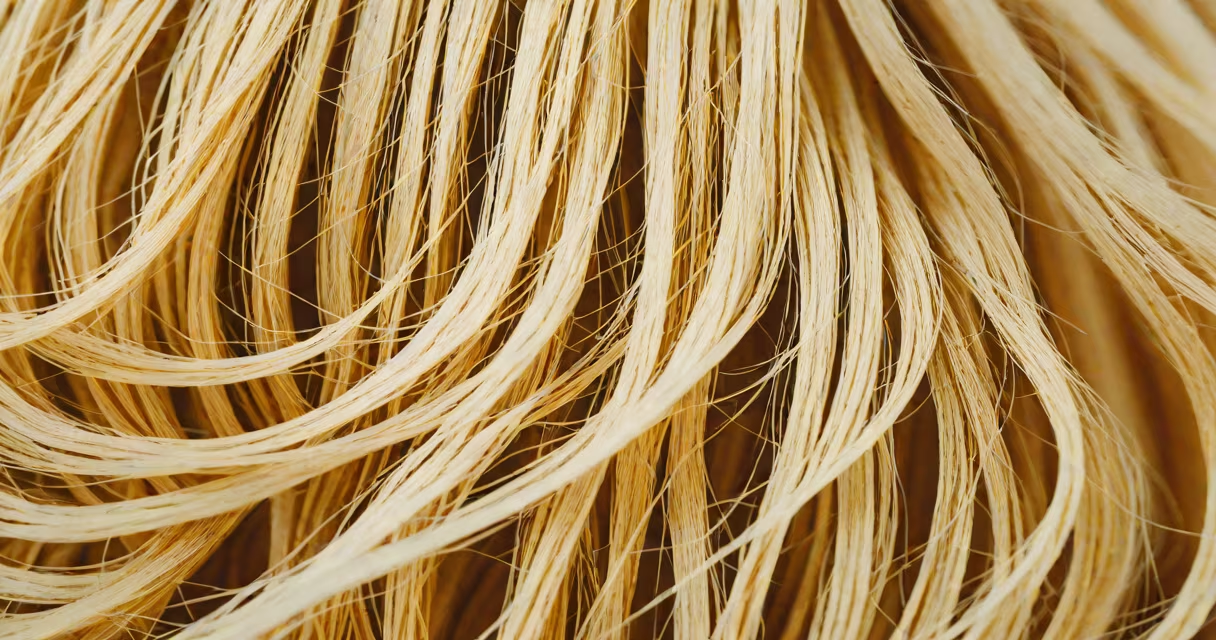
Light blonde hair is a pale golden or ash-toned shade resulting from natural genetics or chemical lightening of dark hair. It sits between medium blonde and platinum blonde on the hair color spectrum, typically ranging from #F2E6A0 to #E6DABE in hex codes.
This shade occurs when melanin levels in the hair shaft drop. Natural light blonde hair appears in about 2% of the global population, primarily among Northern European descendants, according to the American Journal of Human Genetics. Artificial light blonde hair results from multiple bleach sessions or high-lift dye applications, which strip pigment and alter the hair's internal structure.
Unlike deeper blondes, light blonde hair reflects more visible light due to reduced pigment density. This increases its susceptibility to sun damage and oxidation, causing yellow or brassy tones within weeks. The International Society of Hair Science reports that bleached hair loses up to 30% of its tensile strength after a single treatment.
Natural light blonde hair develops when an individual inherits recessive alleles for low eumelanin production. These genes are most common in populations from Scandinavia, the British Isles, and parts of Germany. People with this trait often have blue or green eyes and fair skin.
Artificial light blonde hair requires chemical intervention. A typical process involves applying a 20-30 volume developer with bleach powder, leaving it on for 30-60 minutes. The ammonia opens the cuticle layer, allowing hydrogen peroxide to oxidize melanin molecules. Once pigment is destroyed, the hair turns straw-colored, then progresses to pale yellow or gold depending on original darkness.
For consistency, stylists use toners after bleaching. A violet-based toner neutralizes yellow undertones by adding complementary color. Without toning, the result may appear brassy or orange. A full-process light blonde transformation usually takes 3-5 hours and requires professional supervision.
Light blonde hair varies by tone and undertone. The following categories reflect industry-standard grading:
| Type | Tone | Undertone | Common Origin |
|---|---|---|---|
| Golden Blonde | Pale yellow-gold | Warm | Chemically lightened brown hair |
| Ash Blonde | Grayish-white | Cool | Bleached black/brown hair |
| Sun-Kissed Blonde | Varied gold streaks | Warm | Natural growth with partial bleaching |
| Platinum Blonde | White-silver | Cool | Extensive bleaching + toning |
Golden blonde is the most common artificial variation. It mimics sun-exposed hair and suits warm skin tones. Ash blonde better complements cool or olive complexions. Platinum blonde, while visually similar, is a distinct category requiring higher processing time and greater risk of structural damage.
Light blonde hair is prevalent in fashion, film, and celebrity culture. It became mainstream in the 1990s through models like Kate Moss and actresses such as Jennifer Aniston. Today, it appears in 68% of editorial beauty campaigns, according to WGSN's 2023 trend report.
Individuals choose light blonde hair for aesthetic reasons-enhancing facial features, creating contrast with darker eyes, or achieving a youthful appearance. The color also signals confidence and boldness in personal branding. Social media platforms show a 42% increase in searches for "light blonde hair" between 2020 and 2023, driven by influencers like @lilyblondie and @hairbyjules.
However, maintenance demands are high. Light blonde hair fades faster than darker shades due to increased surface area exposed to UV radiation and chlorine. A 2022 study in the Journal of Cosmetic Dermatology found that bleached hair loses 15% of its moisture content within 48 hours of exposure to chlorinated water.
Many assume light blonde hair is always natural. In reality, only 2% of people worldwide have naturally occurring light blonde hair. The rest require chemical alteration. The myth persists because media often depicts celebrities with light blonde hair as "naturally" blonde, even when they've undergone multiple treatments.
Another misconception is that light blonde hair doesn't require conditioning. On the contrary, it needs daily hydration. The porous state of bleached hair allows moisture to escape rapidly. Without protein-rich conditioners, split ends form within 4-6 weeks of processing.
There's also confusion between light blonde and platinum blonde. Platinum blonde is a lighter, cooler tone achieved through multiple bleach sessions and toning. It lacks gold undertones and typically requires weekly touch-ups. Light blonde can be warmer and less intense. For example, a client with brown roots who wants a sun-kissed look may request a light blonde balayage rather than full platinum.
Consider a 28-year-old woman with naturally dark brown hair seeking a light blonde look. Her stylist begins with a strand test on the nape. After 45 minutes of bleach application, the hair reaches level 9 (light blonde). A violet toner is applied for 15 minutes to eliminate brassiness.
The final result is a consistent golden blonde with minimal regrowth visibility. She returns every 6 weeks for root touch-ups. Over six months, she experiences moderate dryness and breakage at the mid-lengths. Her stylist recommends a weekly deep conditioner with keratin and weekly protein masks to restore strength.
After nine months, her hair shows signs of thinning at the crown. A trichoscopy reveals microfractures and weakened medulla layers. She switches to a low-heat styling routine and stops using hot tools. Her hair recovers slightly over the next three months with consistent care.
Light blonde hair is prone to breakage due to structural compromise. Bleaching removes lipids from the cuticle and weakens disulfide bonds in keratin proteins. A 2021 study published in the British Journal of Dermatology showed that repeatedly bleached hair has 40% lower resilience compared to unprocessed hair.
Prevention includes limiting heat exposure, avoiding sulfate shampoos, and using UV-protectant sprays. A clinical trial found that participants who used a leave-in UV filter had 33% less color fade over 12 weeks. Regular trims every 6-8 weeks also reduce split ends.
When damage occurs, recovery is slow. Repair treatments take 3-6 months to visibly improve texture. Severe cases may require keratin reconstruction or hair extensions. One client reported losing 1.5 inches of length annually after five years of light blonde treatments, despite daily care.
Understanding the difference between light blonde and platinum blonde hair color helps avoid mismatched expectations. Platinum blonde requires more frequent maintenance and carries higher risk of irreversible damage. Choosing light blonde offers a balance between visual impact and longevity.