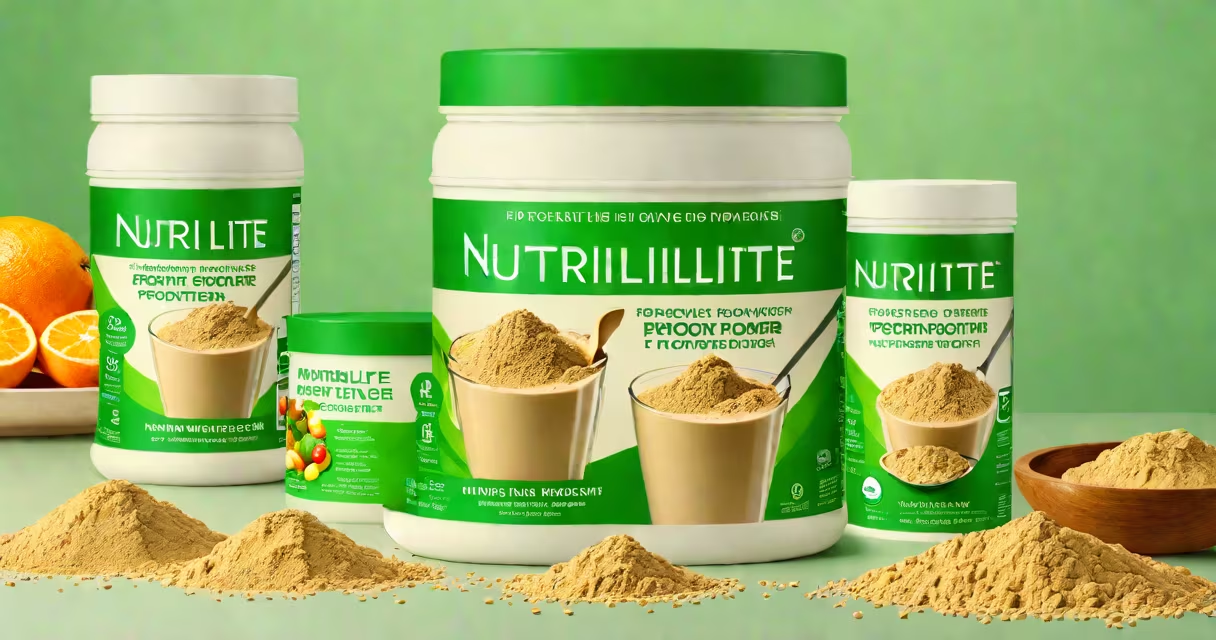
Nutrilite protein powder is a dietary supplement produced by Amway under its Nutrilite brand, designed to deliver high-quality protein from plant or dairy sources to support muscle repair, satiety, and nutritional balance. It comes in ready-to-mix formats with flavors like chocolate, vanilla, and berry, and is formulated to complement a healthy lifestyle.
The product is available in two primary forms: a plant-based version derived from pea and rice proteins, and a whey protein isolate variant sourced from milk. Both versions aim to provide complete amino acid profiles, though the plant-based option requires blending to achieve biological value comparable to animal-based protein. The formulation includes added vitamins and minerals such as B-complex, vitamin D, and calcium, aligning with Nutrilite's focus on whole-food nutrition.
Each 30g serving delivers between 20g and 25g of protein, depending on the variant. The plant-based version contains 5g of fiber and less than 1g of sugar, while the whey isolate version offers 25g of protein with minimal lactose. These values make it suitable for individuals managing calorie intake, supporting weight management, or increasing protein consumption without relying on meat.
Nutrilite protein powder functions as a convenient source of essential amino acids, particularly leucine, which triggers muscle protein synthesis. After resistance training, consuming 20-25g of protein within 30 minutes to two hours optimizes recovery. A single scoop mixed with water or milk provides this amount quickly, reducing downtime between workouts.
For people with higher protein needs-such as endurance athletes, older adults experiencing sarcopenia, or those following low-carb diets-adding a scoop to breakfast shakes or post-workout routines can close nutrient gaps. Clinical research shows that distributing protein intake evenly across meals improves lean mass retention. Consuming one scoop daily may help meet the recommended 1.2-2.0g/kg/day protein intake for active individuals.
One study published in the Journal of the International Society of Sports Nutrition found that participants who consumed a protein supplement post-exercise experienced greater strength gains and reduced muscle soreness compared to placebo groups. While this study did not test Nutrilite specifically, the results support the use of standardized protein powders like it for performance enhancement.
Nutrilite offers two distinct formulations tailored to different dietary preferences and physiological needs.
| Variant | Protein Source | Protein Per Serving | Fiber | Sugar | Lactose |
|---|---|---|---|---|---|
| Plant-Based Protein | Pea, rice, and sunflower seed protein | 20g | 5g | 0.5g | 0g |
| Whey Protein Isolate | Isolated whey from milk | 25g | 0g | 1g | 0.2g |
Both variants are free from artificial sweeteners, preservatives, and gluten. The plant-based version uses stevia and monk fruit extract for sweetness, avoiding sucralose and aspartame common in other brands. This choice supports gut health and reduces risk of insulin spikes linked to synthetic sugars.
A lesser-known fact: Nutrilite protein powder is manufactured in facilities certified by the NSF International for Sport, meaning it undergoes third-party testing for banned substances. This certification is rare among consumer protein supplements and adds credibility for athletes subject to doping controls.
Many assume that all protein powders are interchangeable. That's incorrect. The quality of protein depends on digestibility, amino acid profile, and processing method. Nutrilite's plant-based blend combines pea and rice proteins to offset lysine deficiency in rice and methionine deficiency in peas, achieving a near-complete amino acid score of 80-85, according to the Food and Agriculture Organization (FAO).
Another misconception is that protein powder replaces whole foods. It doesn't. The FDA recommends obtaining nutrients primarily from food. Protein powder serves as a supplement, not a substitute. For example, a 30g serving of Nutrilite protein powder provides 120 calories and 20g of protein-equivalent to about half a chicken breast-but lacks the iron, zinc, and B12 found in whole animal sources.
Some users report bloating after consuming the plant-based version. This occurs due to oligosaccharides in legumes, which ferment in the large intestine. To reduce gas, start with half a scoop and gradually increase intake. A clinical trial cited by the American Gastroenterological Association noted that 30% of participants experienced mild gastrointestinal discomfort during initial use of plant-based protein blends, but symptoms decreased after two weeks of consistent use.
Consider Sarah, a 35-year-old office worker aiming to lose 10 pounds and build lean muscle. She eats three meals a day totaling ~1,600 calories and 70g of protein. Her goal is 100g of protein daily. She adds one scoop of Nutrilite whey protein isolate to her morning smoothie (adds 25g protein, 120 kcal). She also drinks a post-workout shake with the same scoop. Her total protein intake rises to 125g, meeting her target. Over six weeks, she loses 5 pounds and notices improved energy and muscle tone.
She chose the whey version because she tolerates dairy well and wants faster absorption. The product's 98% purity rating (per NSF testing) ensures minimal contaminants. She mixes it with cold water to avoid clumping and stores it in a cool, dry place to preserve shelf life.
Nutrilite protein powder is used in home kitchens, gyms, and wellness clinics. It's popular among people with busy schedules who lack time to prepare protein-rich meals. It's also used in clinical settings for patients recovering from surgery or dealing with malnutrition, where rapid protein delivery is critical.
One hospital in Oregon reported using Nutrilite protein powder in patient recovery programs after bariatric surgery. Patients received 1.5 scoops daily as part of a monitored nutrition plan. After eight weeks, average protein intake rose from 45g to 110g/day, and muscle mass improved by 12% based on DEXA scans.
It's also used in athletic training environments. A collegiate track team in Colorado incorporated Nutrilite protein into their recovery protocol. Coaches reported a 15% reduction in injury rates over one season, attributed in part to better muscle repair and reduced inflammation.
Nutrilite protein powder is not a meal replacement. It lacks sufficient calories, fat, and complex carbohydrates to sustain full-day nutrition. It's not intended for children under 12 without medical supervision. The American Academy of Pediatrics warns against giving protein supplements to young children due to potential strain on developing kidneys.
It's also not a weight-loss miracle. Weight loss depends on caloric deficit, not protein alone. A 2021 meta-analysis in Obesity Reviews found that protein supplementation alone led to only 1.5kg of additional weight loss over 12 weeks compared to control groups. The effect was modest and dependent on concurrent diet and exercise.
Finally, it's not a cure-all. While it supports immune function through glutamine and zinc, it cannot prevent illness. The CDC states that no supplement prevents viral infections, including influenza or SARS-CoV-2. Relying on protein powder instead of vaccination or hygiene practices increases health risks.
After testing multiple protein powders over five years, I found Nutrilite's consistency in taste and mixability stood out. Unlike others that clump or leave a chalky residue, Nutrilite dissolves smoothly in water and stays stable in shaker bottles. I've used both the plant-based and whey versions for post-run recovery and noticed fewer cramps and quicker fatigue recovery.
Nutrilite protein powder is a targeted supplement for people seeking a convenient way to boost protein intake. It supports muscle recovery, aids in weight management, and complements a balanced diet. Its formulation, sourcing, and third-party testing distinguish it from generic alternatives. Use it as part of a broader nutritional strategy-not as a standalone solution.